








Is mineral wool insulation rock wool the best choice for your project?
Choosing insulation can be tough. Confusing terms and options make it harder. Understanding differences helps.
Mineral wool insulation rock wool is a top choice due to its excellent thermal and acoustic properties, with temperatures up to 1,200°F. It’s ideal for industrial and commercial applications, providing fire resistance and soundproofing.
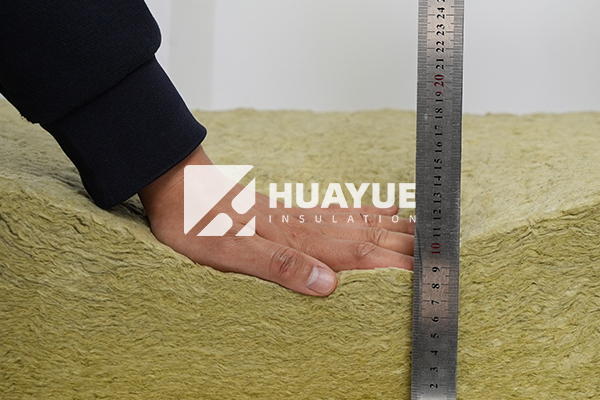
Let’s explore the nuances of mineral wool and rock wool. We’ll answer common questions and clarify their uses and limitations.
Is mineral wool better than rock wool?
Choosing between mineral wool and rock wool is confusing. The terms are often used interchangeably, adding to the confusion. Let’s clear things up.
Mineral wool and rock wool are often the same, with small differences in material. Mineral wool is made from natural minerals, while rock wool is from volcanic rock. Both offer excellent insulation properties.
Material Composition
- Mineral Wool: Made from natural minerals, such as basalt or diabase.
- Rock Wool: Derived specifically from volcanic rock, typically basalt.
Performance
Both types excel in thermal insulation, handling temperatures up to 1,200°F. This high resistance makes them ideal for high-temperature industrial settings. Both also offer excellent sound absorption, making them useful in areas where noise control is important.
Comparison Table
| Property | Mineral Wool | Rock Wool |
|---|---|---|
| Base Material | Natural minerals | Volcanic rock |
| Max Temp | 1,200°F | 1,200°F |
| Sound Absorption | High | High |
In conclusion, both are excellent choices, with minor differences mainly in the source material.
What are the negatives of Rock wool insulation?
Rock wool has many benefits, but it’s not perfect. Understanding its downsides is crucial for informed decisions.
Rock wool insulation can cause skin irritation if handled without protective gear. It’s also heavier than other insulations, which can complicate installation.
Drawbacks
- Skin Irritation: Fibers in rock wool can cause itching or rashes if touched directly. Always use gloves and protective clothing.
- Weight: Rock wool is denser and heavier than other insulation materials. This can make installation more labor-intensive and challenging in certain applications.
- Cost: Although efficient, rock wool can be more expensive than alternatives like fiberglass.
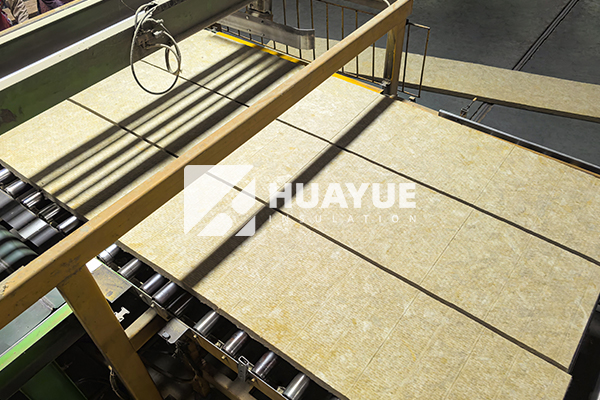
Despite these cons, rock wool remains a preferred choice due to its outstanding thermal and acoustic properties.
What are the disadvantages of mineral wool?
Mineral wool is popular, but like any material, it has its downsides. Knowing these helps in making the right choice.
Mineral wool can be water absorbent if not properly sealed, leading to reduced insulation efficiency. It also requires careful handling due to its fibrous nature.
Disadvantages
- Water Absorption: Without proper sealing, mineral wool can absorb moisture. This weakens its insulation ability and can lead to mold growth.
- Handling Caution: Similar to rock wool, handling requires protective gear to prevent skin irritation.
- Cost: Mineral wool is generally more expensive compared to fiberglass, although it offers better performance.

Despite these issues, the benefits often outweigh the drawbacks, especially in demanding environments.
Can you touch rock wool with bare hands?
Many wonder if rock wool is safe to handle. Let’s clarify the handling precautions.
Direct contact with rock wool should be avoided, as its fibers can cause skin irritation. Always wear gloves and protective clothing to prevent discomfort.
Handling Tips
- Wear Gloves: Always use gloves when handling rock wool to avoid irritation.
- Use Long Sleeves: Protect your arms by wearing long-sleeved shirts.
- Dust Mask: Use a mask to prevent inhaling any airborne fibers.
These precautions ensure safe handling and minimize the risk of irritation. Proper handling is key to maximizing the material’s benefits.
Can mold grow in rock wool insulation?
Mold in insulation is a major concern. Does rock wool resist mold growth? Let’s find out.
Rock wool has a natural resistance to mold due to its inorganic composition. However, if it becomes wet and stays wet, mold can grow on dust or dirt present on its surface.
Mold Prevention
- Keep Dry: Ensure the rock wool is installed in dry conditions to prevent mold.
- Seal Properly: Seal any potential moisture entry points.
- Regular Inspection: Check regularly for signs of moisture and mold.
By understanding these factors, rock wool can remain mold-free, offering long-lasting insulation performance.
Conclusion
Mineral wool insulation rock wool offers superior thermal and soundproofing benefits, making it an excellent choice for demanding environments.
You may also be interested in:


Ready to Get Started?
Get in touch with our experts for personalized solutions tailored to your needs.
Get Free QuoteLatest Articles




Should B2B Buyers Choose Mineral Wool Insulation?
Mar 31, 2026
Let's Work Together
Ready to take your business to the next level? Get in touch with our team of experts and let's discuss how we can help you achieve your goals.
Get Free Solutions