








Is Mineral Wool Floor Insulation the Best Choice for Your Floors?
Mineral wool floor insulation is popular, but many people wonder if it’s the right choice and what potential drawbacks might exist.
Mineral wool floor insulation is effective at reducing heat loss and adding fire resistance to floors. However, it may not be perfect for every application. Understanding its pros and cons can help you choose the best option for your needs.
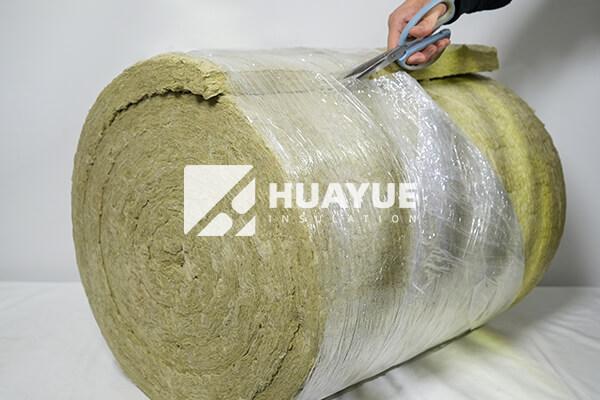
When I first considered mineral wool for my own projects, I noticed that some contractors stood firmly by its benefits, while others raised concerns. To help you decide with confidence, let’s walk through the main questions and challenges together.
What are the disadvantages of mineral wool insulation?
Some people expect floor insulation to be trouble-free, but mineral wool does come with a few concerns.
The main disadvantages of mineral wool insulation are its tendency to shed fibers, the need for protective clothing during installation, its higher cost compared to fiberglass, and potential issues with moisture if not properly sealed.
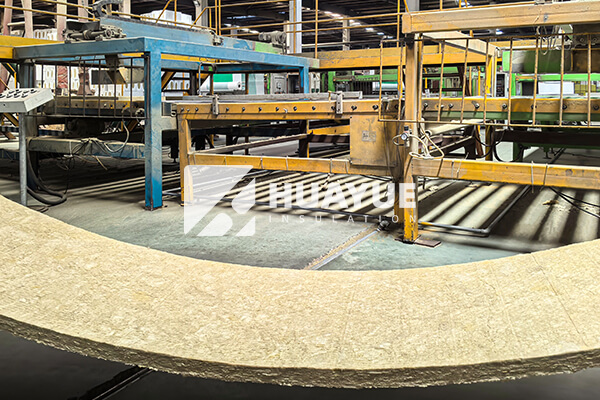
Mineral wool insulation for floors performs well against fire and sound. But, the tiny fibers can cause irritation to skin and lungs, so safety is key during installation. Over time, vibration or disturbances can make these fibers drift into the air. Cost is another factor; mineral wool usually costs more than fiberglass or foam options. While mineral wool does not absorb water easily, a poor vapor barrier or unexpected leaks can allow moisture to collect, leading to long-term problems, such as rot or mold growth under your floorboards.
It helps me to keep a simple comparison table in mind:
| Factor | Mineral Wool | Fiberglass | Rigid Foam |
|---|---|---|---|
| Cost | Higher | Lower | Medium/High |
| Installation Comfort | Irritant fibers | Mild irritation | No fibers |
| Water Resistance | Good | Poor | Excellent |
| Fire Resistance | Excellent | Good | Poor to Good |
| Soundproofing | Excellent | Good | Fair |
When weighing your options, look at your main priorities—thermal properties, fire performance, or ease of use. No insulation is perfect, but knowing its weak spots helps you plan ahead and avoid surprises down the road.
Can I put ROCK WOOL under floorboards?
Insulating under your floorboards with ROCK WOOL sounds smart, but some people say it’s hard to install or keep in place.
Yes, you can put ROCK WOOL under floorboards. It offers great fire safety and sound reduction. You need to make sure it fits snugly and does not sag over time.
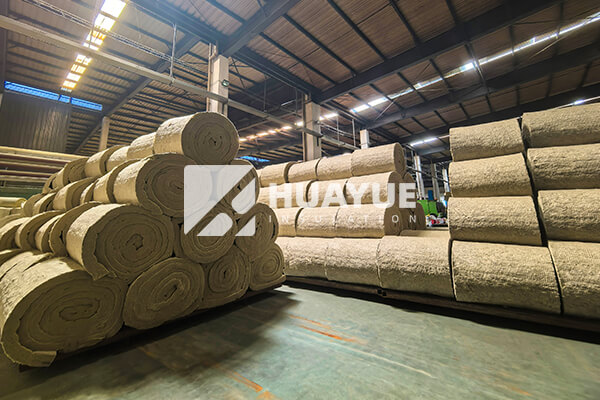
When I work with ROCK WOOL under floorboards, I focus on getting the fit right. ROCK WOOL comes in batts or slabs, which I cut to fit firmly between floor joists. This keeps warm air from leaking out and unwanted noise from coming in. I always check that the insulation supports itself or is held up by netting. Sagging is rare if I fit it tight, but roofs or uneven joists can make it tricky.
ROCK WOOL is denser than fiberglass, making it good at blocking sound and resisting fire. It stays in place and doesn’t compress easily under normal load. If I’m installing over a crawl space or a cold basement, I add a vapor barrier below the insulation to keep dampness out. The only thing I watch for is gaps or compression, which can lower its R-value. Sometimes, I check the job a few months later to see everything is still secure. This step gives me peace of mind about long-term performance.
Will mice chew through ROCK WOOL?
Many people worry that insulation attracts pests like mice, and nobody wants critters tunneling under their floors.
Mice usually do not chew through ROCK WOOL. The dense, scratchy fibers make it a poor nesting material. Mice might travel through gaps, but they rarely eat or damage the insulation itself.
Mice chew many things—wood, plastic, even electrical wires—but mineral wool seems to bother them. The fibers irritate their skin and mouth, so they look for softer places to live and tunnel. That said, if there are big gaps or food scraps trapped under your floor, mice might still explore the area. I try to keep floors tight and clean, using steel wool or wire mesh around pipe entries to block any routes, not just relying on insulation.
I learned that most pest issues come from installation gaps and food sources, not the insulation itself. For extra security, some people use combined rock wool and rigid foam for a pest-proof and warm floor. Here’s a simple checklist to help prevent mice:
- Seal all cracks and openings around the floor.
- Keep the crawl space or underfloor clean.
- Inspect and repair damaged floorboards.
- Add physical barriers where pipes or cables enter.
By following these steps, I keep both the heat in and the pests out.
What is the best insulation for under floors?
When it comes to choosing insulation for under floors, everyone wants to know: What works best for comfort, safety, and value?
The best insulation for under floors depends on your needs. Mineral wool is great for safety and sound, rigid foam has high R-values, and fiberglass is cost-effective but less moisture-resistant.
Different projects have different priorities. For older homes, mineral wool adds fire and sound safety, which I find especially valuable if there are wood floors and busy rooms above. Cold climates might benefit more from rigid foam board; it resists moisture and has a higher R-value per inch, keeping floors warmer. In basements or damp spaces, foam boards with sealed seams work well. Fiberglass is still common for the budget-minded, but it tends to sag and lose its shape under floors.
Here’s a comparison to help you decide:
| Application Area | Recommended Insulation | Key Benefit |
|---|---|---|
| Above heated rooms | Mineral Wool | Fire/Sound Barrier |
| Over crawl spaces | Rigid Foam Board | High R-value/Moisture |
| Limited budgets | Fiberglass Batt | Cheap/Easy to Install |
| Pest-prone areas | Mineral Wool + Mesh | Resists cracks/nests |
I try to match my selection to the room’s use, the floor’s height, local temperature, and possible pest issues for best results.
Conclusion
Mineral wool floor insulation has strong fire and sound benefits, but it’s not always perfect. People should balance safety, comfort, and budget to get floors that last.
You may also be interested in:

Ready to Get Started?
Get in touch with our experts for personalized solutions tailored to your needs.
Get Free QuoteLatest Articles



Should B2B Buyers Choose Mineral Wool Insulation?
Mar 31, 2026
Is Rock Wool a Good Choice for Acoustic Insulation?
Mar 30, 2026
Rockwool Insulation for Roof: Best Practices (2026)
Mar 27, 2026
Let's Work Together
Ready to take your business to the next level? Get in touch with our team of experts and let's discuss how we can help you achieve your goals.
Get Free Solutions