








Is Fiberglass Insulation Safe?
Fiberglass insulation is everywhere, but behind its popularity, hidden risks may threaten health and safety in homes and workplaces.
Fiberglass insulation is generally safe when installed and handled correctly, but direct contact and improper installation can release airborne fibers that may irritate skin, eyes, or lungs.
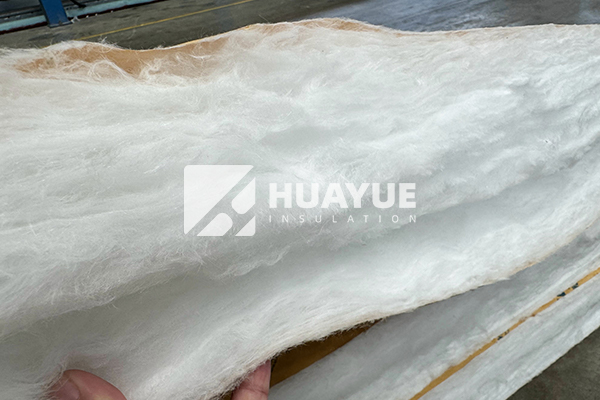
When I started working in the building materials industry, questions about fiberglass safety came up often. I learned that the real answer goes beyond the label on the package. Knowing both benefits and risks helps me recommend the right solution to my customers. Let’s get into the details and see what you need to know next.
What Are the Hazards of Fiberglass Insulation?
Fiberglass insulation may cause issues if not handled properly, but many people do not know what those issues are.
The main hazards of fiberglass insulation are skin irritation, respiratory discomfort, and potential long-term exposure concerns if fibers are inhaled over time.
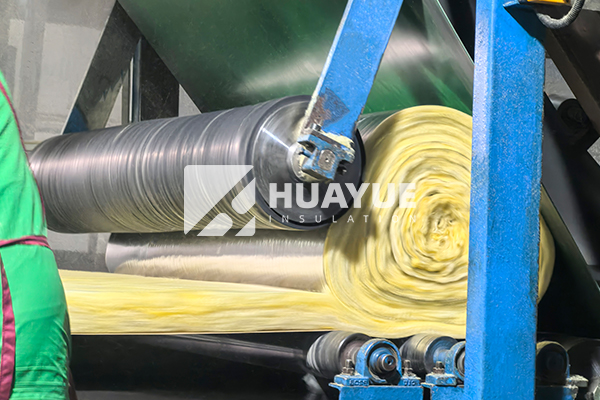
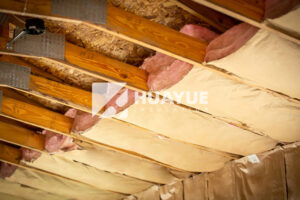
When I visit projects and talk with customers, I remind them to use gloves and masks with fiberglass insulation. The material is made from tiny glass fibers that can detach when cut, disturbed, or incorrectly installed. These fibers can stick to skin, causing itching and mild rashes. If fibers are inhaled, some people experience coughing, throat discomfort, or other respiratory symptoms. The risk is highest during installation, replacement, or demolition. Unlike asbestos, fiberglass does not have the same long-term cancer risk. However, safety procedures like proper protective clothing and equipment reduce exposure greatly.
| Hazard | Effect on People | Typical Exposure Scenario | Prevention |
|---|---|---|---|
| Skin Contact | Itching, rash | Cutting, installing | Wear gloves |
| Inhalation | Throat/lung irritation | Handling loose insulation | Use masks/respirators |
| Eye Contact | Redness, irritation | Dust exposure | Safety glasses |
| Long-term Exposure | Possible chronic symptoms | Working unprotected for years | Follow safety protocols |
Many people ask about carcinogenic risks. While fiberglass is not classified in the same risk category as asbestos, official agencies like OSHA and NIOSH recommend limiting excessive exposure. Proper installation, safe removal, and routine cleaning of areas where insulation is exposed are all crucial steps. I always tell my clients, short-term discomfort disappears with protective gear and good hygiene, but keeping yourself safe in the long-term matters most.
What Is the Safest Insulation to Use?
Most insulation choices advertise about safety, but not all meet the same standards or protect as well as others.
The safest insulation usually has low chemical emissions, is non-irritating, and does not release harmful fibers or gases even during installation or demolition.
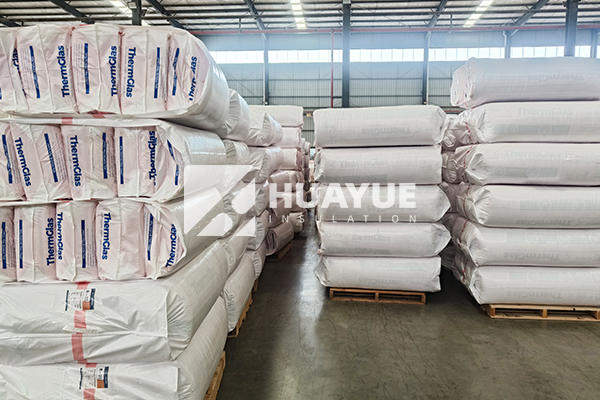
When I compare insulation materials for customers, I consider how each type behaves over the entire life cycle. Some modern insulation alternatives, such as foam glass, mineral wool, and certain closed-cell spray foams, do not cause skin irritation or fiber release. Foam glass, in particular, does not absorb moisture, is non-combustible, and does not rot or degrade over decades. It is easy to handle, requiring no special clothing, meaning installation is straightforward. Mineral wool has fewer irritant effects than fiberglass, and both mineral wool and foam glass are recycled products with excellent fire ratings and low toxic emissions.
| Insulation Type | Safety Features | Recommended Applications | Possible Risks |
|---|---|---|---|
| Foam Glass | Non-absorbent, inert, no fibers | Cryogenic tanks, chemical storage, roofs | None |
| Mineral Wool | Fire-resistant, lower irritation | Walls, mechanical piping, roofs | Mild skin irritation |
| Closed-cell Foam | No fibers, foamed on-site | Walls, roofs, tanks, cold storage | Off-gassing |
| Cellulose | Recycled material, dust-free | Attics, wall cavities | Fire risk if untreated |
| Fiberglass | Lightweight, affordable | Walls, attics, ceilings | Fiber release |
Choosing the right insulation is often about trade-offs between performance, price, and health. Foam glass gets my top recommendation for plant tanks and chemical facilities because it lasts longest with nearly no risk. I see it work well in places where safety and durability matter most.
What Is the Biggest Problem with Fiberglass Insulation?
Fiberglass insulation solves energy problems, but one big challenge makes me hesitate before recommending it everywhere.
The biggest problem with fiberglass insulation is that it loses performance and may let moisture, air, or pests in if it is not installed or maintained with care.
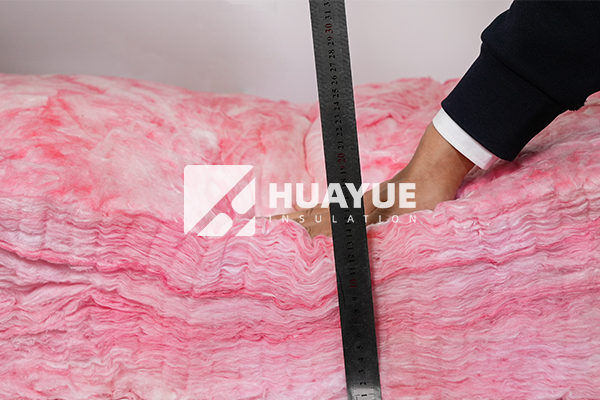
When I look over aging insulation in old tanks or walls, I often find sagging and gaps around fiberglass batts. These gaps let air or water in, reducing energy efficiency. Wet fiberglass can lose all insulating value and become a breeding ground for mold. Defective installation, careless sealing, and repeated disturbance of the material break down its air barrier function. In commercial or chemical plant settings, moisture is a big enemy. Leaks not only degrade insulation but also accelerate corrosion risks in tanks, pipes, or structural steel beneath the insulation, leading to expensive repairs.
| Problem | Effect | Result | Solution |
|---|---|---|---|
| Poor Installation | Air leaks, gaps | Lower energy savings | Use trained installers |
| Moisture Absorption | Insulation failure | Mold, corrosion risk | Install vapor barriers |
| Damage from Pests | Performance loss | Material replacement costs | Use pest-resistant insulation |
| Longevity Issues | Rapid aging | Frequent renovation | Choose longer-lasting materials |
Making sure the installer is trained and that vapor barriers are used is essential. I often recommend foam glass where water and long-term performance are issues, as it does not absorb moisture and keeps its performance up over time.
Is Fiberglass Insulation Safe to Be Around?
Living or working near fiberglass insulation is common, but is it risky in everyday spaces?
Fiberglass insulation is safe to be around if the material is sealed, covered, or undisturbed, but exposed insulation may cause mild irritation or airborne fiber release.
Being in facilities where fiberglass insulation is used, I pay attention to how the insulation is covered and maintained. If insulation is hidden behind walls, ceilings, or tank covers, the risk is very low. Problems only happen when insulation is damaged, exposed, or not covered by vapor barrier or paint. I advise people not to touch loose insulation or work near exposed edges unless they wear gloves, sleeves, and masks. For homes, workplaces, or storage areas, regular checks help ensure insulation stays where it belongs. In commercial plants, following local safety codes helps prevent hassle and health complaints from employees.
| Scenario | Risk Level | Recommended Safety Measure | Note |
|---|---|---|---|
| Behind closed surfaces | Very low | None | No direct exposure |
| Damaged/loose batts | Medium | Wear gloves and mask | Schedule repairs |
| Installation/removal | High | Full safety gear | Ventilate area, cover skin |
| Kids/pets present | Depends | Block access, educate staff | Monitor area |
| Wet insulation | High | Immediate replacement | Look for leaks regularly |
I want to make sure everyone feels confident about their insulation choices. Informing people that normal, covered fiberglass is not dangerous clears up misunderstandings and makes safety easier for everyone.
Conclusion
Fiberglass insulation is safe when installed, sealed, and maintained, but choose safer alternatives for better long-term health and risk prevention.
You may also be interested in:
Ready to Get Started?
Get in touch with our experts for personalized solutions tailored to your needs.
Get Free QuoteLatest Articles




Let's Work Together
Ready to take your business to the next level? Get in touch with our team of experts and let's discuss how we can help you achieve your goals.
Get Free Solutions