








Can rock wool exterior really withstand the elements?
Rock wool is popular for insulation, but can it endure harsh weather? The answer might surprise you. Our experience reveals the truth about rock wool exterior.
Rock wool exterior is highly durable, resisting moisture, fire, and temperature fluctuations. Its density and fiber composition make it an excellent choice for outdoor applications.

Rock wool is known for its insulating properties, but how does it fare outside? Let’s explore its capabilities and limitations.
Can ROCK WOOL be used outside?
Weather can damage materials. Rock wool is often used indoors, but can it handle outdoor conditions?
Yes, rock wool exterior is suitable for outdoor use. With a density of 80-100 kg/m³, it maintains structure and insulation even in harsh climates.
Rock wool’s resilience comes from its mineral composition, which provides stability against weather changes. Unlike organic insulation, rock wool doesn’t degrade when exposed to water. This makes it ideal for areas with high humidity or rainfall. Additionally, rock wool’s fire resistance is crucial for external applications, especially in regions prone to wildfires.
Durability and Performance
Rock wool’s density allows it to withstand wind pressure, reducing wear over time. Its fibers trap air, enhancing thermal performance. This means consistent energy savings for buildings, reducing heating and cooling costs. Rock wool also prevents mold growth due to its breathability, maintaining indoor air quality.
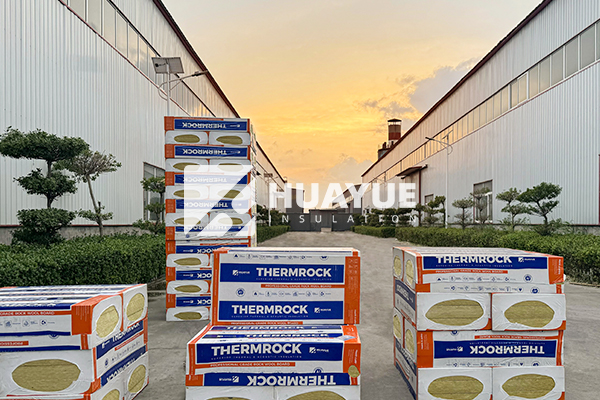
Can you use ROCK WOOL for exterior insulation?
Insulating a building exterior requires robust materials. Can rock wool handle this task?
Rock wool exterior insulation is effective, providing thermal resistance values (R-value) of 3.0 to 3.3 per inch. It’s perfect for energy-efficient buildings.
When applied to external walls, rock wool offers superior insulation. Its fibers create a barrier that minimizes heat transfer. This is particularly beneficial in regions with extreme temperatures, as it keeps interiors comfortable year-round. The installation process is straightforward, involving cutting panels to fit wall dimensions and securing them with mechanical fixings.
How to Install Rock Wool Exterior
- Measure wall dimensions accurately.
- Cut rock wool panels to fit.
- Secure with mechanical fasteners.
- Seal edges to prevent moisture ingress.
Proper installation ensures maximum performance and longevity. Regular inspections help maintain insulation integrity, ensuring continued energy efficiency.
Can I leave ROCK WOOL outside?
Leaving insulation exposed can lead to degradation. Is rock wool durable enough to stay outside?
You can leave rock wool exterior outside temporarily, but protection like cladding is recommended long-term. It withstands moisture but needs shielding from direct exposure.
Rock wool’s moisture resistance is impressive, yet prolonged exposure to open-air elements can impact its effectiveness. While rock wool doesn’t absorb water, continuous direct contact with rain or snow may affect its mechanical properties. It’s best to use a protective layer, such as cladding, to shield it from direct exposure. This enhances its lifespan and ensures the insulation remains effective.
Protective Measures
Rock wool should be covered to maintain its insulating properties. Cladding materials like metal or vinyl are ideal for this purpose. They provide a barrier against the elements while retaining rock wool’s thermal performance. Regular maintenance of external coverings ensures rock wool remains undamaged.
What are the disadvantages of ROCK WOOL?
Every material has drawbacks. What should you consider before choosing rock wool for an exterior?
Rock wool exterior may be heavier than alternatives, with a weight of up to 150 kg/m³, requiring structural support during installation.
Rock wool’s density offers excellent insulation, but it also adds weight to structures. This necessitates proper planning and support during installation. Additionally, rock wool can be more costly upfront compared to other materials. However, its long-term benefits often outweigh initial expenses, thanks to energy savings and durability.
Comparison Table
| Material | Density (kg/m³) | Fire Resistance | Cost |
|---|---|---|---|
| Rock Wool | 80-150 | Excellent | Higher |
| Fiberglass | 10-20 | Moderate | Lower |
| Polystyrene | 20-30 | Poor | Moderate |
Choosing the right insulation involves balancing weight, cost, and performance. Rock wool excels in fire safety and insulation, making it a worthy consideration.
What insulation is best for an exterior wall?
With various options available, selecting the best insulation for exterior walls can be challenging.
Rock wool exterior offers unmatched fire safety and insulation, but fiberglass and polystyrene are lighter and cheaper alternatives. Consider application needs and budget.
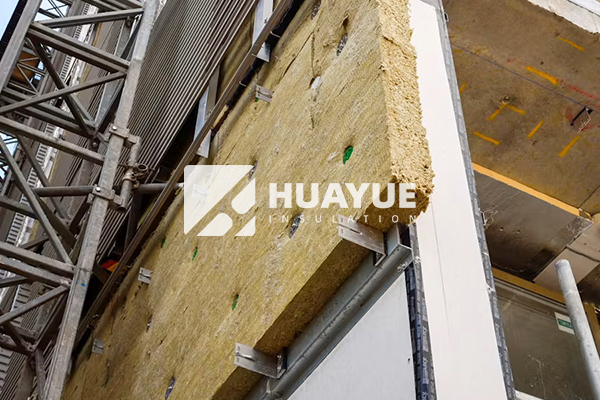
It’s essential to evaluate each material’s strengths. While rock wool provides superior fire resistance and thermal efficiency, its weight may require additional support. Fiberglass is lightweight and cheaper, but offers less fire protection. Polystyrene is moderate in weight and cost, yet lacks the fire resistance of rock wool. Ultimately, the choice depends on specific project requirements and budget considerations.
Conclusion
Rock wool exterior is a robust choice for outdoor insulation, offering durability and fire safety. Its benefits make it a reliable option for various applications.
You may also be interested in:

Ready to Get Started?
Get in touch with our experts for personalized solutions tailored to your needs.
Get Free QuoteLatest Articles




Should B2B Buyers Choose Mineral Wool Insulation?
Mar 31, 2026
Let's Work Together
Ready to take your business to the next level? Get in touch with our team of experts and let's discuss how we can help you achieve your goals.
Get Free Solutions