








Batt Insulation Unfaced: Is It the Right Choice for Your Project?
Homeowners often struggle to pick the best type of insulation. Fear, confusion, and costly mistakes make this decision stressful.
Unfaced batt insulation is insulation without a paper or foil vapor barrier. It is ideal for interior walls, ceilings, and other places where a vapor barrier is not required.
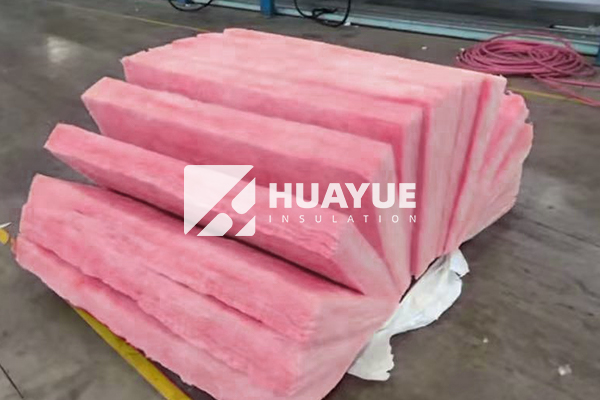
It’s hard to choose between faced and unfaced insulation. If you want a dry, energy-efficient building, you need to understand the differences. Now, let’s break down the questions everyone asks about unfaced batt insulation.
What is unfaced batt insulation?
People often make mistakes choosing insulation because they don’t understand the word “unfaced.” The term can sound technical, but it’s actually simple.
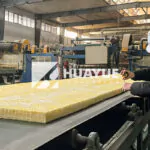
Unfaced batt insulation is insulation material, usually made of fiberglass or mineral wool, that does not have a paper or foil facing. Faced insulation includes a sheet bonded to one side to act as a vapor barrier. Unfaced insulation is the same insulating material, but it’s just the fluffy part with no extra layers.
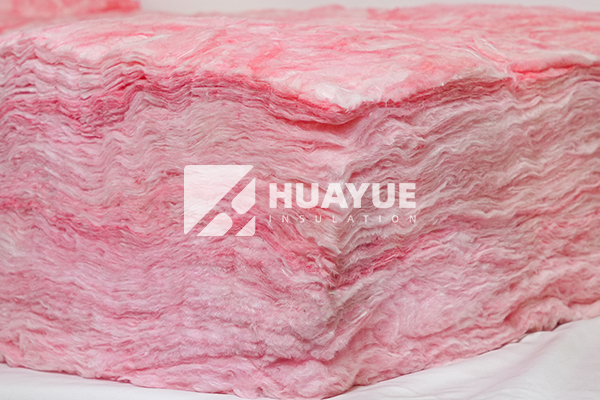
Unfaced batt insulation is commonly used in places where moisture control is not a problem or where building codes don’t call for a vapor barrier. The most common use is interior walls. There, you want energy savings and sound control, but you don’t need a vapor barrier because it might trap moisture where you don’t want it. People also use unfaced batts in ceilings or attics above already insulated spaces. I have installed them in friends’ renovation projects, and it was quick to cut and fit with no vapor barrier getting in the way.
Here’s a table showing the main features:
| Feature | Unfaced Batts | Faced Batts |
|---|---|---|
| Vapor Barrier | No | Yes (usually kraft paper or foil) |
| Where to Use | Interior walls, ceilings | Exterior walls, crawl spaces |
| Sound Control | Good | Good |
| Moisture Control | No | Yes (some level) |
| Fire Rating | Usually higher | Lower if facing is flammable |
| Installation Steps | Simple (no facing to cut) | Must orient facing correctly |
Does batt insulation have a vapor barrier?
If you’re worried about moisture, the idea of a “barrier” probably sounds important. Many people think all insulation is the same, but some have vapor barriers and some do not.
Batt insulation can come with or without a vapor barrier. Faced batts have a vapor barrier, while unfaced batts do not include any vapor retarder layer.
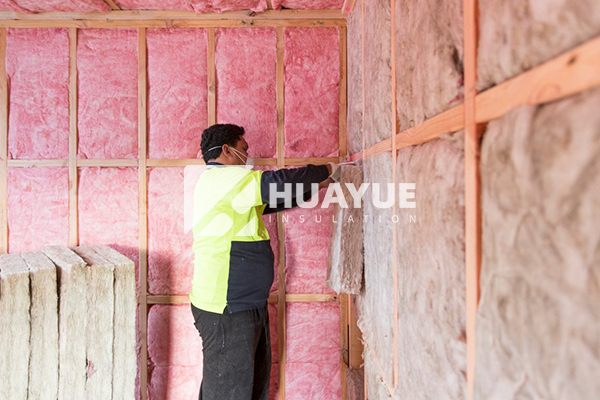
Choosing faced or unfaced batts depends on where you install them. For example, in climates where outdoor moisture is a problem, building codes may require insulation with a vapor barrier. This stops moisture from entering wall or ceiling cavities. However, adding a vapor barrier in the wrong place can actually trap moisture, leading to mold or wood rot. If you don’t need it, unfaced batts allow for better drying.
Here’s a helpful table showing situations where each type is best:
| Location | Faced Batts Needed? | Why? |
|---|---|---|
| Exterior walls (cold, humid) | Yes | Stop outside moisture ingress |
| Interior walls | No | No moisture concern |
| Attic above bedroom | No | Space below stays dry |
| Basement ceiling (damp) | Sometimes | Local codes may differ |
Should insulation be faced or unfaced?
Many people stand in the store, unsure whether to buy faced or unfaced insulation. Mistakes can lead to mold problems or wasted money.
Whether insulation should be faced or unfaced depends on climate, building codes, and the location of installation. Use faced insulation where a vapor barrier is required. Choose unfaced when not required.
The “facing” makes a difference. Faced insulation includes a paper or foil barrier, usually installed toward the warm side of the wall or ceiling—so, toward the living space in a cold climate. The paper stops moist indoor air from moving into the insulation and condensing inside cold walls. This can protect wood and other materials.
But if you use faced insulation where it’s not needed, it can actually hurt your home’s durability. Faced insulation in an interior wall can trap household moisture, causing mold. That’s why in rooms that need soundproofing—like home offices, bedrooms, or media rooms—unfaced batts are usually best. There, the goal is to reduce sound, not moisture.
Here’s a Markdown table to help:
| Install Location | Climate | Facing Recommendation |
|---|---|---|
| Exterior above-grade wall | Cold, humid | Faced |
| Basement wall | Below-grade, humid/cool | Faced (follow code) |
| Interior wall | Any | Unfaced |
| Attic floor | Over conditioned space | Unfaced |
| Ceiling below unheated attic | Any | Faced |
Does batt insulation dry out?
Moisture worries drive many insulation mistakes. It’s a big concern, especially in places with damp winters or for buildings with a long service life.
Unfaced batt insulation can dry out if it gets wet, but regular moisture exposure reduces its insulation value and can lead to mold or other problems.
If batt insulation—faced or unfaced—gets wet accidentally, it can dry out in time if it’s well ventilated. I once had to replace a part of basement insulation after a minor flood. The old unfaced batts had dried, but they no longer provided the same R-value, and smelled musty even after weeks of drying in the sun. This shows that even if fibrous insulation dries, its performance may drop.
Proper installation helps moisture avoidance. Insulation should never sit against a wet wall or have moisture coming from below. In general, unfaced batts dry easier than faced ones, because there is no paper that can trap water inside. If using batts in a place with moisture risk, pick the right material, allow good air flow, and follow the building code—often foam glass, mineral wool, or other water-resistant types are best for these jobs.
Here’s a quick table for guidance:
| Batts Get Wet? | Can It Dry Out? | Action Needed |
|---|---|---|
| Unfaced fiberglass | Sometimes | Dry quickly, check R-value. |
| Faced fiberglass | Harder (paper traps) | Remove paper if possible. |
| Mineral wool | Yes, more easily | Dry fully, reuse if not moldy. |
| Foam glass | Does not absorb | Wipe and reuse. |
Conclusion
Unfaced batt insulation is simple to use where vapor barriers are unnecessary. Choose faced or unfaced batts based on your project’s location, climate, and local codes.
You may also be interested in:
Ready to Get Started?
Get in touch with our experts for personalized solutions tailored to your needs.
Get Free QuoteLatest Articles
Let's Work Together
Ready to take your business to the next level? Get in touch with our team of experts and let's discuss how we can help you achieve your goals.
Get Free Solutions