








Why Choose Rock Wool Rigid Exterior Insulation for Your Industrial Projects?
Many insulation materials struggle to handle harsh environments outside tanks. This can lead to high energy loss, faster system aging, and even hidden safety risks.
Rock wool rigid exterior insulation is a reliable choice for industrial tanks because it resists weather and fire, prevents thermal leaks, and offers lasting protection. This insulation reduces lifecycle costs and boosts operational safety.
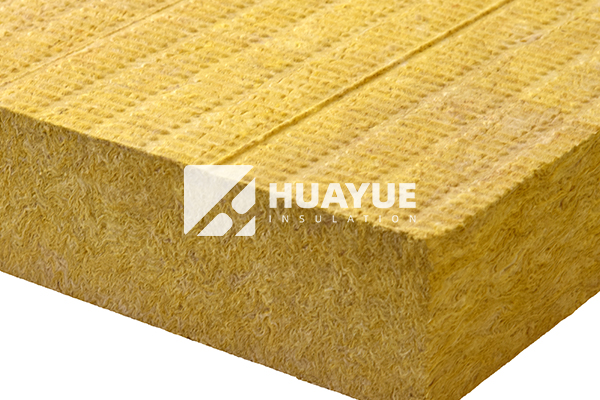
When you are managing valuable industrial tanks, you cannot risk material failures or long-term corrosion. Rock wool rigid exterior insulation provides strong protection and peace of mind for critical tank systems. By looking deeper at its features and how it stands up to common industry challenges, you will see clear advantages over other options.
What Makes Rock Wool Rigid Exterior Insulation Different from Other Materials?
Some insulations can collapse or absorb water, losing performance quickly. This causes higher costs and surprise maintenance events that nobody wants.
Rock wool rigid exterior insulation stands out because it keeps its shape, blocks water, and fights fire, even after years of use.
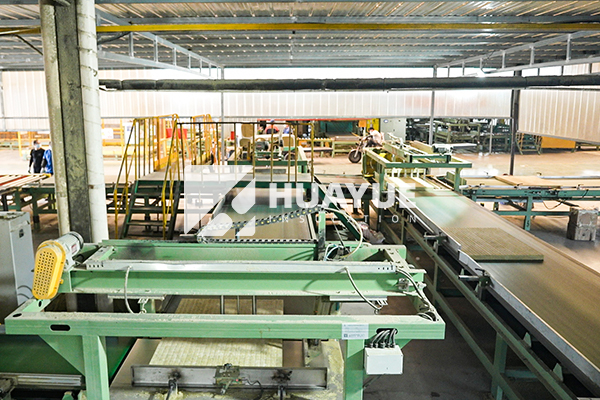
Rock wool is formed from natural rocks melted at high temperature and spun into fibers. These fibers are pressed into rigid boards or pipe sections that have a dense structure. Density and orientation let the boards hold their shape, resist pressure, and prevent sagging, even when installed on large tank walls. The unique fiber structure blocks water and vapor, which is critical for long-term outdoor use. Other insulations, like fibrous glass or flexible foams, often trap water or suffer from UV damage over time. Rock wool stands up to fire because it does not fuel flames and has a high melting point, often above 1000°C. This makes it a natural fire barrier where safety matters most. Its non-metal, mineral nature stops corrosion under insulation (CUI). Here’s a simple comparison:
| Material | Fire Rating | Water Absorption | Strength Over Time | Corrosion Risk |
|---|---|---|---|---|
| Rock Wool | Excellent | Low | High | None |
| Glass Wool | Good | Low-Mod | Med-High | Low-Moderate |
| Rubber Foam | Limited | Moderate-High | Medium | Mild |
| PU Foam | Low | High | Moderate | Moderate-High |
With rock wool, you maintain insulation value for decades.
How Does Rock Wool Rigid Exterior Insulation Prevent Common Failures in Tanks and Pipes?
Industrial tank insulation often struggles with weather changes, thermal shock, and external moisture. These problems cause corrosion and expensive repairs.
Rock wool rigid boards prevent failures by creating a lasting barrier against rain, steam, and temperature swings on exterior tank surfaces.
Rock wool is non-hygroscopic, so it does not soak up water from air or snow. Its dense fiber network resists wicking, so rainwater runs off instead of entering. When applied as a rigid shell with proper exterior jacketing, it blocks cold bridging and reduces “dew points” on the tank wall, where condensation would usually form. This stops water from entering the system and prevents corrosion under insulation (CUI)—one of the most expensive and dangerous failures for chemical and cryogenic tanks. Traditional insulations break down or let vapor enter, but rock wool keeps its R-value stable even after freeze-thaw cycles. Other materials, like polyurethane and phenolic foam, lose shape or crack when exposed to wide thermal swings and may even let in more moisture as they age. Here’s a breakdown:
Rock Wool’s Defense in Tough Environments
| Failure Mode | Foam/Glass Wool Risk | Rock Wool Performance |
|---|---|---|
| Water Absorption | Moderate | Very Low |
| Fire/Temperature | Poor-Moderate | Survives above 1000°C |
| Structural Collapse | Common after years | Remains solid, holds shape |
| Corrosion Under Ins. | Possible | Prevents CUI with proper sealing |
With these strengths, you can trust rock wool to help extend the life of storage tanks and piping in tough outdoor settings.
Is Rock Wool Rigid Exterior Insulation Suitable for Extreme Weather and Fire Protection?
Some insulation loses function after a fire or freezes in cold climates, creating new risks for your operation.
Rock wool rigid exterior insulation performs at both temperature extremes and blocks fire, making it a safe long-term choice.
Long, harsh winters and unexpected fires are common threats in chemical production areas. Tanks and pipes cannot shut down while repairs happen. Rock wool’s high melting point means that it will not drip or fall away in fires. It maintains its structure, blocks flame spread, and resists toxic smoke—ensuring the protected system stays safe as you address hazards. When exposed to freezing temperatures, rock wool’s mineral composition doesn’t crack or warp. It resists freeze-thaw cycles, unlike many foams that shrink, swell, or lose adhesion over time. Its strong insulation value means energy stays in the tank even as outside temperatures drop. Here is a comparison of performance in tough situations:
Extreme Conditions Performance
| Condition | Polystyrene/Rubber Foam | Rock Wool Rigid Insulation |
|---|---|---|
| Fire Resistance | Poor | Excellent, Non-combustible |
| Freeze-Thaw | Structure loss/cracks | Stays rigid, no shape change |
| Snow and Ice | Water ingress possible | No water entry, stable |
| UV Resistance | May degrade | Remains effective |
Engineers and safety teams choose rock wool for its proven record in hostile climates and fire-prone areas.
Can Rock Wool Rigid Exterior Insulation Reduce Energy Loss and Maintenance Costs?
High energy bills and frequent tank maintenance can hold back your site’s profit and safety goals.
Rock wool rigid exterior insulation saves energy by minimizing heat loss, keeps cold tanks efficient, and needs fewer repairs over its lifespan.
Reducing heat transfer in tanks lowers process energy needs every day. A rock wool system can improve payback with its stable R-value and long life, resisting compaction and water absorption that hurt other insulations’ performance. Reduced condensation and corrosion slow hidden tank wall damage, cutting costs linked to surprise failures and emergency shutdowns. Because rock wool boards do not sag or collapse, they hold key structural and thermal values without regular replacement. Even when the outer jacket takes damage, rock wool keeps protecting the system, saving money on quick fixes or unnecessary insulation swaps. The bottom line: you get better energy savings, less downtime, and more predictable maintenance budgets. Here’s a summary:
Operational Saving Factors
| Cost Driver | Flexible/Foam Insulation | Rock Wool Rigid Exterior |
|---|---|---|
| Replacement Frequency | Higher | Rare for decades |
| Routine Maintenance | Common | Minimal |
| Long-term Thermal Loss | High with age/damage | Low, value stays stable |
| CUI/Corrosion repairs | High | Very Low |
Rock wool’s durability makes your entire tank system more efficient and less costly to operate.
What Should Engineers Consider When Specifying Rock Wool Rigid Exterior Insulation?
Choosing insulation involves more than just picking the cheapest option or highest R-value on paper.
Engineers should look at installation, system design, and local regulations to realize the full value of rock wool rigid exterior insulation.
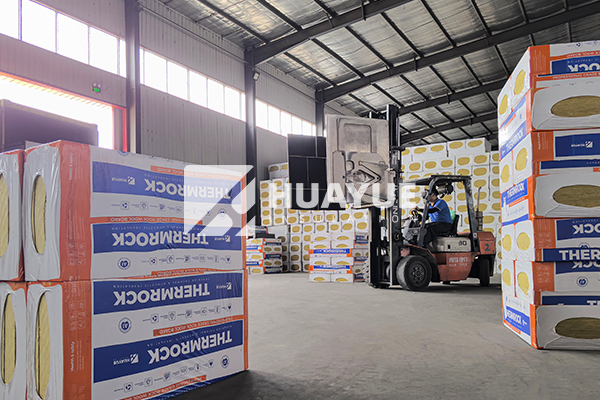
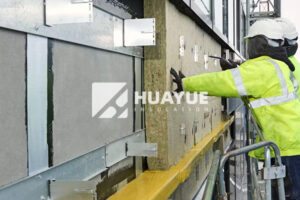
Rock wool comes in many shapes and densities. Boards, pipe sections, and prefabricated elbows are available for easy fitting to any tank size or shape. Proper sealing and external jacketing are key steps to keep out water and lock in the best performance. Engineers must match board type to the mechanical load and environment, using denser boards for high-traffic or load-bearing tank zones. Check regional fire and building codes: rock wool is often the only material that passes strict safety or non-combustibility rules. Working with experienced suppliers with proven logistics networks ensures on-time supply, proper certifications, and fast technical service—even across multiple project sites. Here’s a best-practice list:
Engineer’s Checklist for Rock Wool Insulation
| Consideration | Why It Matters | Rock Wool Benefit |
|---|---|---|
| Correct Board Shape | Custom fits, reduces waste | Boards, pipes, elbows |
| Density Selection | Withstands tank weight/foot | High-density for exteriors |
| Fire Ratings | Compliance and insurance | Exceeds most codes |
| Supplier Experience | Timely logistics, support | Trusted global sources |
This method lets you design more reliable tank systems with insulation that lasts for decades.
Conclusion
Rock wool rigid exterior insulation stands out for its strength, safety, and unbeatable long-term value, ensuring your tanks run efficiently and reliably with minimal maintenance or risk.
You may also be interested in:

Ready to Get Started?
Get in touch with our experts for personalized solutions tailored to your needs.
Get Free QuoteLatest Articles



Should B2B Buyers Choose Mineral Wool Insulation?
Mar 31, 2026
Is Rock Wool a Good Choice for Acoustic Insulation?
Mar 30, 2026
Rockwool Insulation for Roof: Best Practices (2026)
Mar 27, 2026
Let's Work Together
Ready to take your business to the next level? Get in touch with our team of experts and let's discuss how we can help you achieve your goals.
Get Free Solutions