








Why Choose Rock Wool Exterior Wall Insulation for Your Building Project?
Exterior wall insulation can make or break the energy efficiency and comfort of your building. Rock wool insulation offers reliable, high-performance solutions for modern construction needs.
Rock wool exterior wall insulation provides excellent thermal performance, fire resistance, and acoustic control, making it one of the best choices for new builds and upgrades to existing buildings.
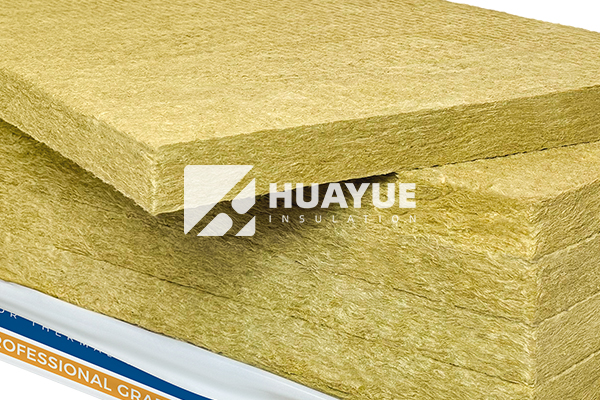
Finding the right insulation affects safety, costs, and comfort. Rock wool stands out for its unique blend of benefits, but understanding its details helps you decide if it fits your project best. Let’s look at the top questions and answers.
What Are the Main Benefits of Rock Wool Exterior Wall Insulation?
Exterior walls face constant heat, cold, wind, and rain. Standard insulation might not last. Rock wool handles all these conditions and keeps buildings secure, durable, and efficient for years.
Rock wool offers outstanding fire resistance, insulation performance, moisture repellency, and sound control, making it suitable for a range of climates and building types.
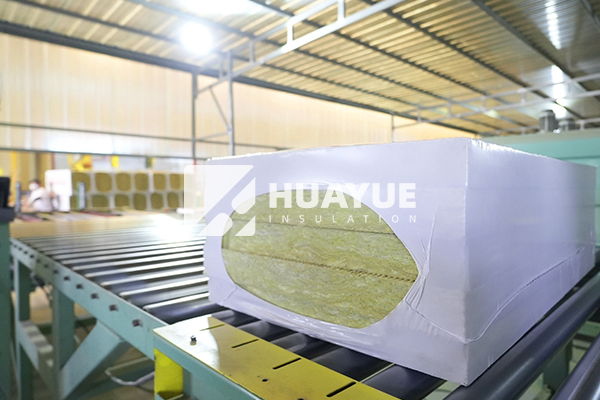
Rock wool comes from natural stone, melted and spun into fibers. This gives it excellent properties. It resists fire up to 1000°C—much safer than foam or fiberglass. It does not absorb water, so mold does not grow, and insulation stays effective. It also reduces energy bills by keeping inside temperature stable. In busy areas, it blocks noise. The table below shows how these features compare with other insulation types:
| Feature | Rock Wool | Fiberglass | Foam Board |
|---|---|---|---|
| Fire Resistance | High (up to 1000°C) | Moderate (melts early) | Low (flammable) |
| Moisture Repel. | Excellent | Fair | Poor |
| Sound Control | Superior | Moderate | Moderate |
| Durability | Over 20 years | 10-15 years | 5-10 years |
Rock wool fits well where safety, durability, and comfort matter. I know engineers who faced CUI issues with other materials, but rock wool remained stable even after years.
How Is Rock Wool Insulation Installed on Exterior Walls?
Incorrect installation can leave gaps, reduce efficiency, and create risks. Rock wool needs proper techniques and trained hands to bring out its best.
Rock wool exterior wall insulation is usually installed as boards or slabs in a layered system with mechanical fixings, vapor barriers, and protective finishes.
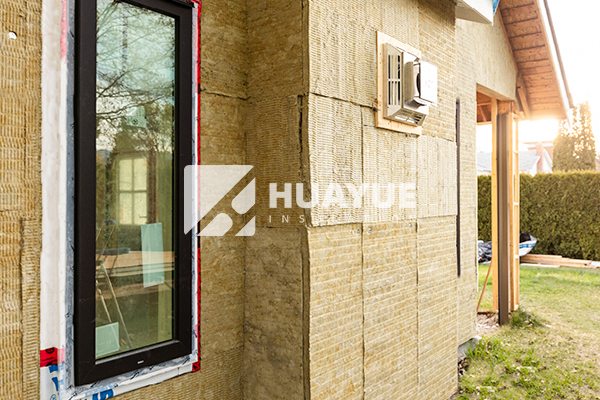
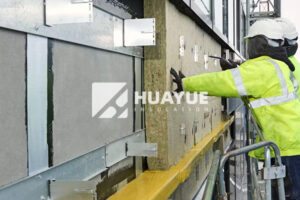
The process often starts by fixing brackets to the wall for support. Boards get set in place. Crews stagger seams for a tight fit and connect them with plastic or metal anchors. Joints are taped or sealed. An exterior mesh plus mortar protects the insulation from weather and impact. Sometimes, a vapor barrier adds further moisture control or an extra thermal break. Key details: make surfaces clean and dry, avoid compressing the wool, and always follow the manufacturer’s guidelines.
Here’s a step-by-step outline:
- Clean and prep the wall.
- Fix brackets.
- Place boards, offsetting seams.
- Secure with anchors.
- Tape and seal joints.
- Apply mesh and mortar cover.
- Add final weather and finish coatings.
Every step is important. On one large project, missing anchors led to movement and repair work. Careful checks prevent long-term issues.
How Does Rock Wool Insulation Prevent Fire and Improve Building Safety?
Many insulation materials lose their structure or emit toxic fumes during a fire. Rock wool’s mineral base blocks the spread of fire and limits hazards.
Rock wool cannot catch fire or drip. It withstands heat up to 1000°C, providing more escape time and less damage in emergencies.
Most industrial fire codes favor non-combustible materials for good reason. When exposed to flames, rock wool forms a protective barrier. It does not release smoke or melt, so structural elements get extra protection. This improves building fire ratings and meets insurance and regulatory requirements. If your building is near a chemical plant or high-risk zone, local rules might even require rock wool or similar mineral-based materials.
Fire tests consistently show that buildings with rock wool insulation take longer to ignite and allow occupants more time to evacuate. Sound buildings, safer spaces, and lives protected—all these advantages are behind why designers and safety officers pick rock wool over cheaper alternatives.
How Does Rock Wool Compare with Other Insulation Materials?
Many materials offer thermal benefits. Few balance cost, performance, and long-term reliability the way rock wool does.
Rock wool insulation outperforms most conventional materials in fire resistance, soundproofing, long-term durability, and water repellency, while being priced competitively.
The choice often comes down to what you value. Fiberglass costs less but sags over time and absorbs water. Foam offers high R-values but can burn and emit dangerous gases. Rock wool gives strong “all-rounder” performance. It costs more up front than fiberglass but lasts longer and cuts future maintenance. Its combination of non-absorbency, stable thermal rating, and resistance to pests/mold is hard to beat. In my view, building with rock wool means less worry about repairs or replacements ten years down the line.
Here’s a simple comparison:
| Material | Fire Safety | Water Resistance | Lifespan | Value for Money |
|---|---|---|---|---|
| Rock Wool | Excellent | Excellent | 20+ years | High |
| Fiberglass | Moderate | Moderate | 10-15 yrs | Moderate |
| Foam Board | Poor | Low | 5-10 yrs | Variable |
Consider the service life and hidden costs, not just the initial price.
Can Rock Wool Insulation Help Reduce Energy Costs?
Every building project has a budget, but ongoing energy expenses matter too. Bad insulation leaks money every winter and summer.
Rock wool insulation keeps heat and cold out, making temperature control cheaper and more reliable across all seasons.
The impressive R-value (thermal resistance) means heat does not escape easily in winter, and rooms stay cooler in summer. This results in smaller heating and cooling bills. Studies show that investing in good insulation delivers fast payback, often in just a few years. For industrial clients I have helped, rock wool products trim up to 30% off annual energy costs compared to older insulation. Less energy means lower carbon footprint, supporting both financial and sustainability goals.
I advise project managers to model the cost savings over 5 or 10 years. Rock wool may seem expensive at first, but when you add up energy saved, the overall cost is often lower than with other types.
Conclusion
Rock wool exterior wall insulation offers the safest, most reliable, and energy-efficient solution for today’s industrial and commercial buildings. For long-term performance, few materials compare.
You may also be interested in:

Ready to Get Started?
Get in touch with our experts for personalized solutions tailored to your needs.
Get Free QuoteLatest Articles



Should B2B Buyers Choose Mineral Wool Insulation?
Mar 31, 2026
Is Rock Wool a Good Choice for Acoustic Insulation?
Mar 30, 2026
Rockwool Insulation for Roof: Best Practices (2026)
Mar 27, 2026
Let's Work Together
Ready to take your business to the next level? Get in touch with our team of experts and let's discuss how we can help you achieve your goals.
Get Free Solutions