








Why Choose Foil Faced Mineral Wool for Industrial Insulation?
In many industrial settings, ineffective insulation can lead to high energy costs, frequent maintenance and safety risks, all of which can affect long-term operation.
Foil faced mineral wool is one of the best insulation solutions for industrial tanks, pipes, and equipment since it offers long-lasting thermal efficiency, moisture resistance, and superior durability.
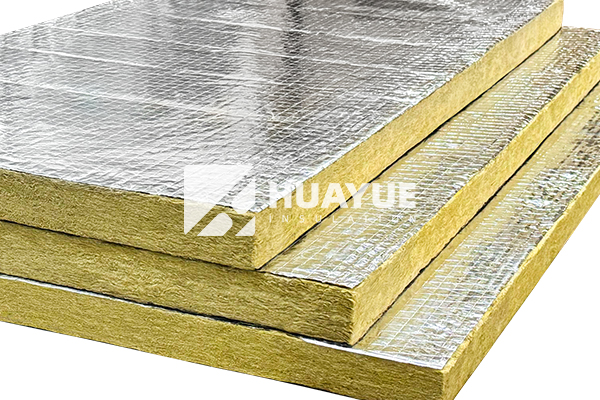
If you want a material that holds up to the toughest industrial standards, foil faced mineral wool answers the call. Let me share more about why I always recommend this material to customers looking for safety, efficiency, and cost savings.
What Is Foil Faced Mineral Wool and How Does It Work?
Moisture, mechanical damage and irregular temperatures can cause insulation to fail long before its advertised lifespan.
Foil faced mineral wool is a mineral fiber insulation board or blanket with an aluminum foil facing, providing superior heat, fire and moisture resistance in a single layer.
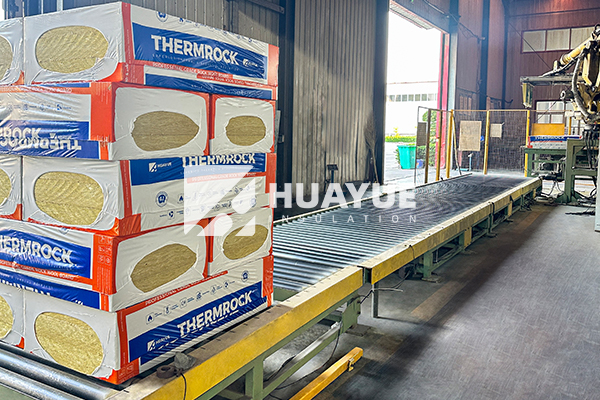
Foil faced mineral wool combines the performance of mineral wool with a moisture and vapor barrier provided by the foil. The mineral wool core consists of spun fibers, often produced from rocks or slag, which give excellent thermal and fire-resistant properties. The foil face reflects radiant heat, blocks water vapor, and protects the insulation from physical wear.
These layers make foil faced mineral wool ideal for tanks, vessels, and pipes that face harsh outdoor environments or demanding process conditions. Unlike plain mineral wool, the foil layer keeps water from entering the insulation, reducing corrosion under insulation (CUI) and extending service life. It also makes maintenance easier by keeping the insulation clean and intact.
Here’s a simple table to show the structure and benefits:
| Layer | Function | Benefit |
|---|---|---|
| Mineral wool | Thermal/Fire insulation | High R-value, fire resistance |
| Aluminum foil | Moisture/Radiant barrier | Vapor, water, dust protection |
Why Is Foil Faced Mineral Wool Used for Industrial Tanks and Pipes?
Aging tanks and pipes often struggle with water ingress and corrosion, leading to unexpected shut-downs and rising repair bills.
Foil faced mineral wool keeps these systems insulated and dry, greatly reducing condensation, corrosion and energy loss.
Most tanks and process lines run at temperatures that cause condensation or heat loss. When regular insulation gets wet, its thermal properties drop sharply and corrosion can set in. The foil face acts as a barrier, stopping water and moisture before it can migrate through the insulation. This makes foil faced mineral wool a preferred solution for cryogenic tanks, chemical vessels and hot process piping, where both energy efficiency and safety are critical.
It also helps plants comply with strict safety and energy regulations. The foil provides an easily inspected surface, so maintenance teams can find and fix problems quickly. I have seen that after switching to foil faced mineral wool, my customers’ maintenance needs are reduced and asset life improves. You can see where this product fits into a facility’s insulation strategy:
| Application Area | Main Hazard | Foil Faced Mineral Wool Role |
|---|---|---|
| Cryogenic Tanks | Condensation, CUI | Stops vapor, maintains R-value |
| Hot Chemical Tanks | Fire risk, thermal loss | Reflects heat, adds fire barrier |
| Outdoor Piping | Moisture, freezing | Blocks rain, protects from ice |
How Does Foil Facing Enhance the Performance of Mineral Wool?
Standard insulation materials often lose efficiency when exposed to water, oil, or physical damage.
The foil layer serves as a built-in armor, stopping water, dust and fumes, while helping with temperature control and surface durability.
Foil facing shields mineral wool from surface condensation and rain. It also reflects heat back toward the tank or pipe, saving energy. In high-humidity or chemical-laden plants, the foil acts as a simple but effective surface barrier. Physical impacts, such as from routine maintenance or weather, do not damage the core insulation because the foil layer takes the hit. The surface stays easy to clean, which makes health and safety checks more efficient. Here is a look at the main performance boosts provided by the foil facing:
| Challenge | Bare Mineral Wool | With Foil Facing |
|---|---|---|
| Water Absorption | Absorbs moisture | Repels moisture |
| Surface Cleaning | Difficult | Wipes clean easily |
| Heat Reflectivity | Limited | High (reflects radiant heat) |
| Mechanical Impact | Fiber loss possible | Foil adds strength |
| Corrosion Prevention | Poor (CUI prone) | Foil blocks CUI |
What Are the Key Installation and Maintenance Benefits?
Unprotected insulation can be hard to install neatly and even harder to keep clean and compliant over years of service.
Foil faced mineral wool is pre-faced and shaped for fast install, and continues to save time and money by making inspections and repairs simple.
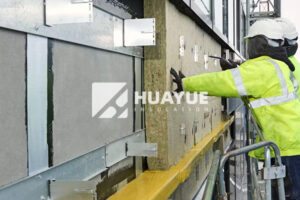
The aluminum foil facing allows for direct application using standard bands and adhesives. Large boards or rolls adapt well to different tank shapes. Joints can be sealed with foil tape, ensuring a continuous barrier against vapor and moisture. Over time, the clean and tough surface means less time spent on maintenance, fewer shutdowns for insulation replacement, and lower overall costs. If repair is needed, inspectors can easily remove, check, and replace sections. I have seen plants move to this system and cut routine inspection time almost in half. Maintenance teams have an easier job meeting regulatory standards because everything is visible and accessible.
How Does Foil Faced Mineral Wool Compare with Other Industrial Insulation Options?
There are many insulation options, but not all provide the same value for demanding tank applications.
Foil faced mineral wool stands out for its combination of thermal, fire, and moisture protection, while other materials may only excel in one area.
Here is a direct comparison:
| Property | Foil Faced Mineral Wool | Standard Mineral Wool | Foam Glass | Polyurethane Foam |
|---|---|---|---|---|
| Thermal Insulation | Excellent | Excellent | Very Good | Excellent |
| Moisture Barrier | Yes (foil) | No | Yes | Good |
| Fire Resistance | Excellent | Good | Excellent | Fair |
| CUI Protection | Yes | No | Yes | Good |
| Ease of Install/Maint | Easy (preformed + foil) | Basic | Moderate | Challenging |
| Cost Efficiency | High | High | Moderate | Variable |
When you need a solution that ticks all boxes—efficiency, safety, compliance, longevity—foil faced mineral wool is still the product I recommend first.
Conclusion
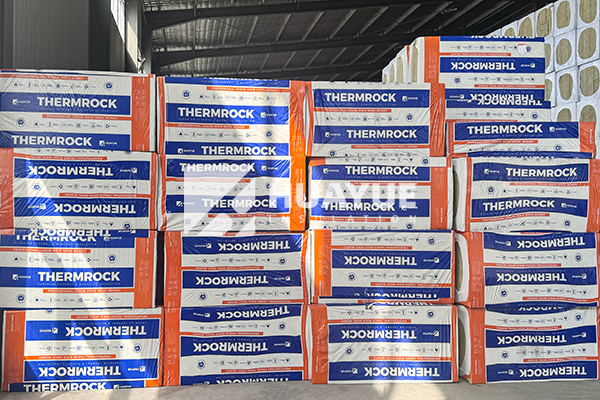
Foil faced mineral wool insulation protects your tanks and pipes from heat loss, moisture problems, and costly repairs, making it a smart investment for any industrial facility.
You may also be interested in:

Ready to Get Started?
Get in touch with our experts for personalized solutions tailored to your needs.
Get Free QuoteLatest Articles


Should B2B Buyers Choose Mineral Wool Insulation?
Mar 31, 2026
Is Rock Wool a Good Choice for Acoustic Insulation?
Mar 30, 2026
Rockwool Insulation for Roof: Best Practices (2026)
Mar 27, 2026
Let's Work Together
Ready to take your business to the next level? Get in touch with our team of experts and let's discuss how we can help you achieve your goals.
Get Free Solutions