








Who are the real experts in rock wool manufacturing?
If you want to avoid delays and headaches in your insulation project, choosing the right manufacturer matters more than you think.
Rock wool is produced worldwide by specialty manufacturers with years of technical expertise. Industry leaders like HUAYUE Group deliver high-volume, consistent quality, and proven performance to meet project schedules and international standards.
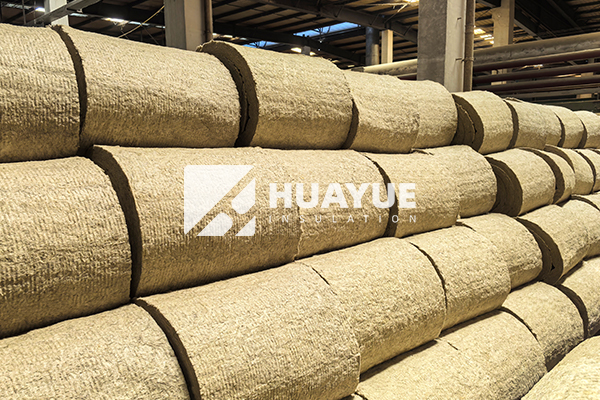
Many companies claim to make great rock wool, but only a handful have the experience and resources to meet strict global demands. The right manufacturer combines advanced production lines, strong quality controls, and reliable global logistics to keep projects on track. Let’s look at the strengths and challenges.
Who manufactures rock wool?
Manufacturers with both scale and experience are the backbone of global rock wool supply.
Most commercial rock wool comes from companies specializing in insulation, often with decades of experience and advanced production facilities. HUAYUE Group and other leaders operate multiple production lines, serving construction, energy, and industrial clients worldwide.
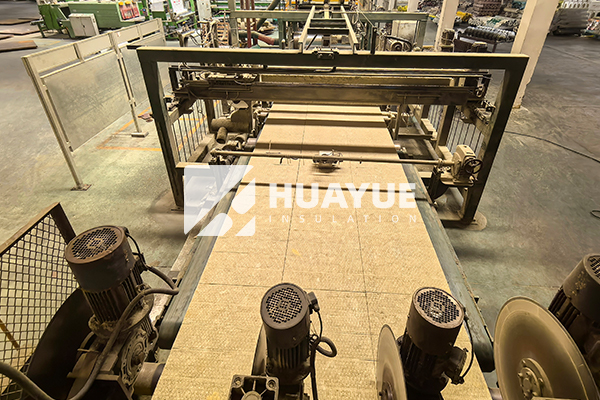
Choosing a manufacturer is about more than just price. It takes reliable partners who can offer consistent quality, timely delivery, and proven technical support. With annual production capacities reaching hundreds of thousands of tons, leading groups serve markets in over 100 countries, making sure customers can get the right product for their application when they need it.
| Manufacturer | Experience | Global Reach | Annual Capacity | Certifications |
|---|---|---|---|---|
| HUAYUE Group | 30+ years | 100+ countries | 450,000 tons | ISO 9001, CE, SGS |
| Rockwool Intl. | >80 years | 40+ countries | 1,000,000 tons+ | ISO, FM, UL, CE |
| Owens Corning | >80 years | Global | 300,000 tons+ | ISO, ASTM, CE |
| Local Suppliers | varies | Limited | varies | varies |
Big manufacturers like HUAYUE use custom formulas and advanced production setups to make insulation that works in many different climates and building materials. Their products meet international construction codes, go through third-party testing, and offer strong technical support for design and installation.
What is the lifespan of ROCK WOOL?
Rock wool insulation lasts as long as the building does, sometimes even longer.
High-quality rock wool, if properly installed and protected from severe mechanical damage, remains effective for decades without losing its insulating or fire-resistant properties. Manufacturers like HUAYUE guarantee lifespans of 30 to 50 years and, often, even longer in controlled environments.
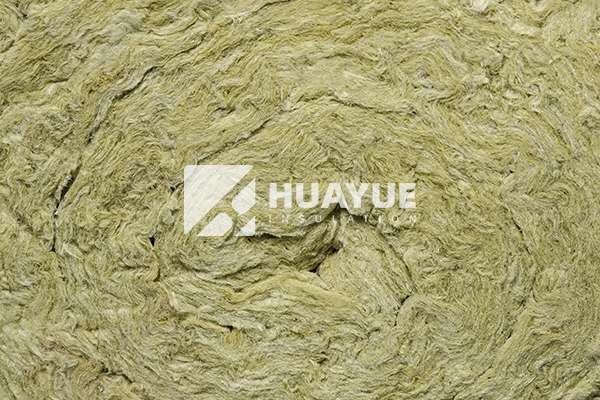
Rock wool is made by spinning molten rock or slag into fibers. Its structure is stable, so it does not break down under most chemical or physical conditions. The only things that shorten its life are water infiltration, physical disturbance, or exposure to corrosive chemicals. In reality, most building owners replace insulation only during large-scale renovations or if there is major water damage.
Here is what affects rock wool’s lifespan:
| Cause of Damage | Impact Level | Prevention Method |
|---|---|---|
| Water infiltration | High | Use vapor barriers |
| Rodent infestation | Moderate | Seal entry points, use baits |
| Physical impact | Moderate | Protect with metal cladding |
| Chemical exposure | High | Select proper grade of insulation |
| Building movement | Low | Use flexible installation |
Using tested brands and proper installation keeps insulation in place and maintains full performance for years. Replacement is a rare event, usually tied to the building’s own cycle, not the insulation’s.
Does old ROCK WOOL contain asbestos?
Rock wool insulation is not made with asbestos.
Modern rock wool, and even products dating back many decades, are manufactured using natural minerals like basalt and diabase. Reputable manufacturers, including HUAYUE, never add asbestos to rock wool. Asbestos is a health hazard and was not used in standard rock wool formulas. If your insulation is labeled as rock wool, it should not contain asbestos.
There is confusion because both rock wool and asbestos are fibrous and look alike. But they are different. Asbestos comes from naturally occurring silicate minerals. Rock wool is made by high-temperature melting and spinning of stone. Older houses that have "mineral wool" from the mid-1900s are also generally made from rock wool or slag wool, not asbestos.
If you are unsure, here are some differences:
| Feature | Rock Wool | Asbestos Insulation |
|---|---|---|
| Fiber Material | Basalt/diabase | Silicate minerals |
| Fire Safety | Non-combustible | Non-combustible |
| Health Risk | Low if undisturbed | High (inhalation) |
| Common Applications | Walls, tanks, pipes | Pipes, boilers |
| Years Used | 1920s-present | 1900s-1980s |
For absolute certainty, have a professional test any insulation that looks suspicious, especially before removal or renovation. Generally, if your supplier is reputable, asbestos is not a concern.
Will mice chew through ROCK WOOL insulation?
Mice do not like the texture or taste of rock wool, so they rarely chew through it.
Rock wool is made of sharp, fine mineral fibers which are uncomfortable for rodents to chew or dig through. It does not provide food or nesting material, so infestations are less likely in spaces insulated with rock wool. Unlike foam or soft fibers, rock wool is not attractive to pests.
Sometimes, gaps in building envelopes offer a path for mice, but they tend to avoid the insulation itself. If mice are present, sealing openings, cleaning up food scraps, and using traps is more effective than worrying about damage to the insulation.
If you do see rodents, here is how to minimize their impact:
| Rodent Control Step | Effectiveness | Cost |
|---|---|---|
| Physical sealing | Very high | Low |
| Rodent baits/traps | Moderate | Low |
| Routine inspection | Good | Low |
| Insulation choice | High | Varies |
Rock wool stands up better than most insulation types under pest attack. In my experience, most problems start elsewhere—at entry points or leftover food in utility rooms. Insulation itself is rarely the weak link.
Conclusion
Choose rock wool insulation from leading manufacturers to ensure long-lasting, safe, and pest-resistant performance for your industrial and construction projects.
You may also be interested in:

Ready to Get Started?
Get in touch with our experts for personalized solutions tailored to your needs.
Get Free QuoteLatest Articles

Should B2B Buyers Choose Mineral Wool Insulation?
Mar 31, 2026
Is Rock Wool a Good Choice for Acoustic Insulation?
Mar 30, 2026
Rockwool Insulation for Roof: Best Practices (2026)
Mar 27, 2026
Let's Work Together
Ready to take your business to the next level? Get in touch with our team of experts and let's discuss how we can help you achieve your goals.
Get Free Solutions