





Where to buy mineral wool insulation?
Looking for reliable mineral wool insulation but don’t know where to buy high-quality products for your project? You’re not alone—this question stumps many contractors and buyers.
You can buy mineral wool insulation through trusted manufacturers, local building suppliers, or global exporters like HUAYUE. Always request certification proof—such as ASTM, CE, or ISO—from your supplier to guarantee quality and compliance.
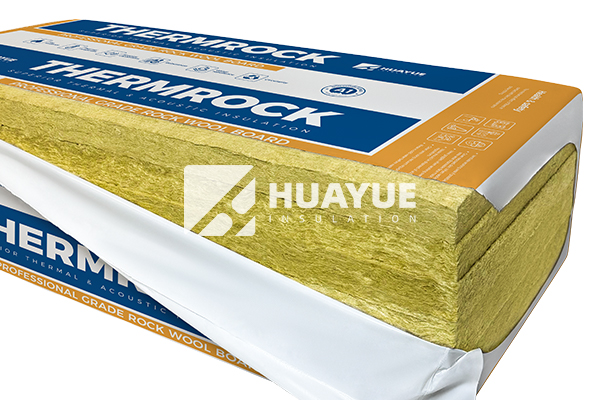
Buying insulation materials involves more than making a simple purchase. You want to meet regulatory standards, ensure proper installation, and avoid costly mistakes. Let me help by breaking down your options. There is a right way to source mineral wool insulation—and, in my experience, a few wrong ways.
Is there a difference between rock wool and mineral wool?
Some say rock wool and mineral wool are interchangeable. These materials are often mentioned in the same breath, which causes confusion for both new buyers and seasoned professionals like myself.
Rock wool and mineral wool are similar, but not exactly the same. Rock wool is made mainly from basalt rock; mineral wool can include rock wool, slag wool (from steel industry slag), or a mix. Both share fire resistance and insulation benefits, but chemical composition differs.
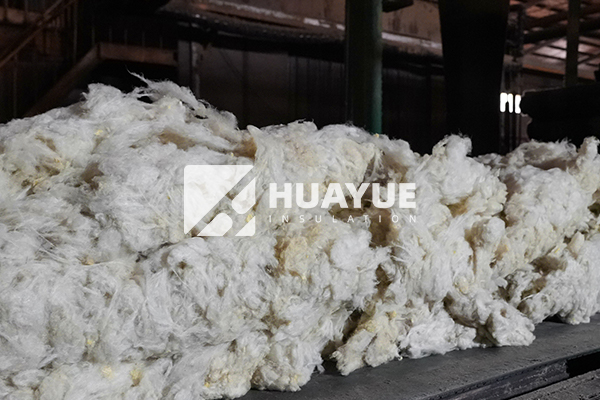
The difference between these materials lies in their raw materials and some subtle performance distinctions. Here’s a simple breakdown:
| Property | Rock Wool | Mineral Wool |
|---|---|---|
| Main Raw Material | Basalt rock | Rock, slag, or both |
| Fire Resistance | Very High | Very High |
| Uses | Building, industrial | Building, industrial |
| Cost | Moderate | Moderate to Low |
| Density Range (kg/m³) | 40-200 | 40-200 |
I have found that performance in most applications is nearly identical. However, knowing the source material can help when projects require special certifications or have unique chemical resistance needs. For most buyers, “mineral wool” covers both. It is important for technical teams or procurement experts to confirm the exact product type on technical datasheets before ordering.
What are the disadvantages of mineral wool insulation?
Many believe mineral wool is the perfect solution thanks to its fireproof, energy-saving properties. I thought that too, before I learned about some drawbacks in real jobsite conditions.
Mineral wool insulation can be heavier than alternatives, and fibers may irritate the skin and lungs during installation. Proper protective gear is necessary, and it can cost more than basic fiberglass.
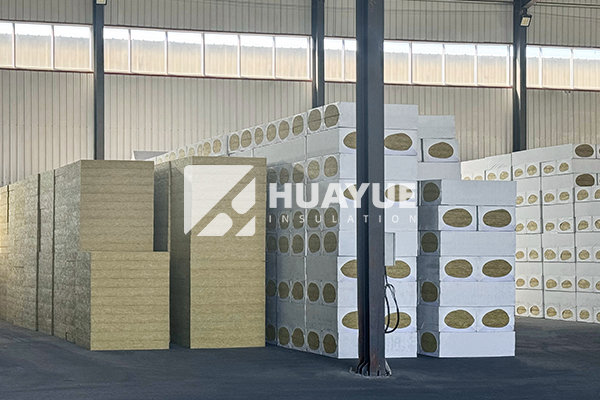
Diving deeper, there are a few practical considerations that every buyer should keep in mind. First, you need to handle mineral wool carefully. The fibers are not only a health annoyance but can become problematic during storage or transport if packaging gets damaged. Second, installation requires attention to tight joints since even small gaps can compromise insulation performance. Third, the material’s weight means supporting structures need to be well-designed.
For comparison:
| Disadvantage | Mineral Wool | Fiberglass | Foam |
|---|---|---|---|
| Irritation Risk | Medium | High | Low |
| Need for Gear | High | High | Low |
| Weight | Heavy | Light | Very Light |
| Cost | Moderate | Low | High |
| Water Absorption Risk | Low | High | Medium |
From my experience, mineral wool insulation’s performance far outweighs these disadvantages for critical applications, especially for fire safety. But, if you are price-sensitive or need a very light solution, alternatives may be worth comparing.
What is the best mineral wool insulation?
It is easy to get lost in specifications, regional brands, and new products that promise every advantage. I learned that “best” depends on the project’s unique requirements rather than a label.
The best mineral wool insulation is one that matches your project’s certification needs, fits your installation plan, carries international safety marks (like ASTM/CE), and is supplied reliably. HUAYUE, for example, manufactures and exports globally certified insulation and partners with large contractors for this reason.
Selecting insulation comes down to verifying properties such as fire rating, compressive strength, density, and water absorption rate. Here’s an evaluation table:
| Project Need | Key Mineral Wool Property | Check for This |
|---|---|---|
| Structural support | Compressive strength | ≥50kPa |
| Fire safety | Fire resistance rating | EN 13501-1 A1/A2 |
| Moisture durability | Water absorption rate | ≤1kg/m² |
| Green certification | Recycled content, emissions | SGS/ISO14001 |
| Easy procurement | Supply chain reliability | Local stock or FOB |
When I select insulation, I always ask for both samples and test reports. I suggest you do the same. This way, you see real material quality and verify supplier claims. Brand names like HUAYUE stand behind documented results. That is what sets apart the best insulation.
Is mineral wool insulation worth it?
The up-front cost of mineral wool insulation might seem high, and some clients worry about budget. I have been in that situation too, weighing performance and long-term value against cheaper alternatives.
Mineral wool insulation is worth the investment because it combines longevity, top fire resistance, excellent energy savings, and fewer long-term maintenance demands compared to lower-cost options. Its total life-cycle value beats its initial price.
Looking at value, consider reductions in energy loss, fire-related incident risk, noise complaints, and replacement cycles. You might pay more now, but you save throughout the service life of your building or tanks. In all my years of recommending insulation, I have watched projects pass compliance checks and maintain stable performance because of mineral wool.
To give context:
| Metric | Mineral Wool | Fiberglass | Foam |
|---|---|---|---|
| Lifespan | 25-50 years | 15-25 years | 10-20 years |
| Fire Resistance | Excellent | Good | Poor-Moderate |
| Noise Reduction | High | Medium | Low |
| Maintenance Needs | Low | Medium | High |
| Suitability for Industry | High | Medium | Medium |
I advise you to compare both costs and expected benefits over the entire project timeline, not just purchase price.
Conclusion
Mineral wool insulation is easy to buy from certified and experienced manufacturers like HUAYUE. Its long-term value and safety certifications make it a smart choice despite a few minor drawbacks.
You may also be interested in:

Ready to Get Started?
Get in touch with our experts for personalized solutions tailored to your needs.
Get Free QuoteLatest Articles

Should B2B Buyers Choose Mineral Wool Insulation?
Mar 31, 2026
Is Rock Wool a Good Choice for Acoustic Insulation?
Mar 30, 2026
Rockwool Insulation for Roof: Best Practices (2026)
Mar 27, 2026
Let's Work Together
Ready to take your business to the next level? Get in touch with our team of experts and let's discuss how we can help you achieve your goals.
Get Free Solutions