








What makes rigid rock wool board the smart choice for industrial insulation projects?
Rigid rock wool board solves the toughest insulation problems in industry, but it has challenges that buyers should not ignore.
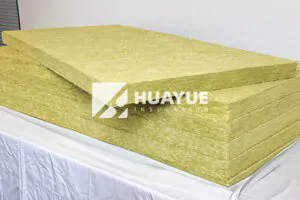
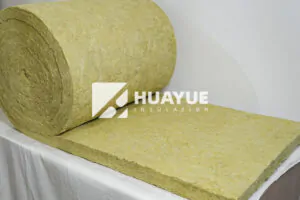
Rock wool board is a mineral fiber insulation known for fire resistance, water repellency and sound absorption, but it can cause skin irritation and requires basic protection during installation.
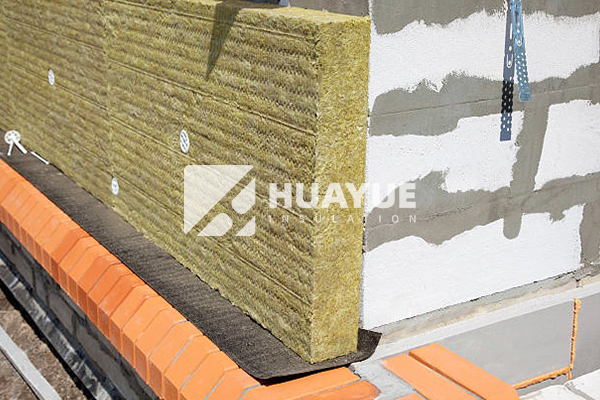
Smart plant engineers choose rigid rock wool boards for chemical and cryogenic tank insulation because they maximize fire and water resistance, but knowing the downsides is vital for making the right choice.
What is the downside of ROCK WOOL?
Many insulation materials promise safety, but even the best options have drawbacks. If you only focus on the upsides, you might regret it later.
The most common downside of rock wool is skin irritation during installation. It can also break into dust, which may need dust control in sensitive projects. Long-term, it is stable, but corners and edges may crush if not protected.
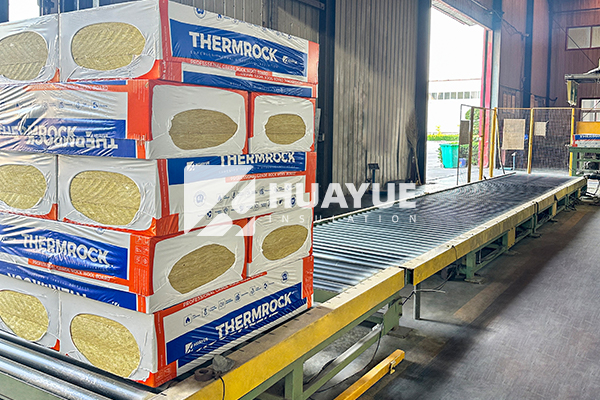
Rock wool board is spun from basalt and slag at high temperatures. This process creates tiny fibers that tangle together. These fibers trap air, which is why rock wool provides fantastic insulation and fire resistance. But this unique structure means the boards are rigid yet sometimes brittle at the edges.
The downside most engineers talk about is irritation during handling. The tiny fibers can stick to your skin or become airborne and inhaled if you are not careful. This risk is lowest with pre-cut rigid boards, but it still exists. If fibers break off, they can scratch or irritate hands and arms. Most people wear gloves and long sleeves—just as I do when I am on-site. Safety glasses are a must if you need to cut boards.
Rock wool does not rot or attract mold, but it does compress when subjected to strong point loads, especially on corners. This means that while it works well between tank cladding and the tank itself, it is important to use cover boards or other protection in high-traffic areas. In rare situations, excessive dust could be a concern during cutting, which you can solve with simple dust masks or ventilation.
| Downside | Explanation | Solution |
|---|---|---|
| Skin irritation | Fibers can scratch skin and cause itching | Use gloves, long sleeves |
| Dust generation | Cutting/reducing boards generates dust | Use dust mask, ventilate |
| Edge crushing | Corners and edges may compress | Protect edges, limit traffic |
| Handling discomfort | Rigid, heavy boards can be hard to handle | Use team lift or cart |
What is ROCK WOOL board used for?
Many new insulation materials claim to do everything, but only a few can handle tough industrial needs and still help you meet safety codes.
Rock wool boards are widely used to insulate tank walls, roofs, piping, industrial ovens and HVAC systems. They combine fire resistance, sound absorption and temperature stability in a single product.
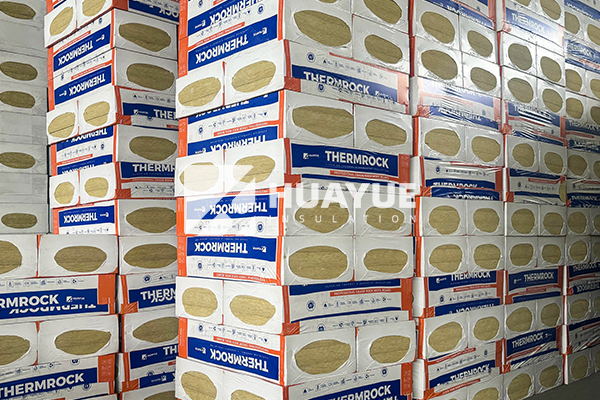
I see rigid rock wool boards used for almost every industrial thermal job involving tanks, pipes, and ducts. When engineers need to keep heat inside a vessel or stop heat transfer, they choose rigid boards because they fit firmly and support their own weight. Chemical storage and process tanks are common sites, especially in places with strict fire codes.
Besides tanks, you find rock wool boards in boiler rooms, between machine casing and buildings, or insulating ovens and furnaces. This material can withstand temperatures over 600°C (about 1,100°F) and does not burn, making it ideal wherever fire safety matters.
Rock wool boards also reduce sound transfer impressively. This makes them a favorite for power plant walls, generator rooms and facilities where noise is an issue. They can be installed on exterior walls and roofs to add to the building’s thermal envelope and improve energy savings.
A summary table of common uses:
| Application | Why Choose Rock Wool |
|---|---|
| Tank walls and roofs | High fire resistance, shape stability |
| Pipe insulation | Handles high temp and stays in place |
| Ovens and furnaces | Unaffected by extreme heat |
| Sound control for power plants | Absorbs vibration and noise |
| Outside walls/roofs | Improves energy savings, resists weather |
Can I touch ROCK WOOL with bare hands?
Many people assume that you can handle all insulation types directly, but some require caution to avoid discomfort or minor injury.
It is not recommended to handle rock wool with bare hands for extended periods, as the fibers can irritate your skin. Brief contact is usually safe, but gloves are better.
The first time I worked with rock wool, I made the mistake of grabbing a piece with no gloves—my hands itched for hours. Luckily, the irritation went away after washing. The fibers are sharper than dust but not as harmful as, say, glass wool. Most of my colleagues use simple work gloves and wear long sleeves. The boards are rigid, so they rarely leave fibers on hands if you only move or stack them briefly.
If you need to cut rock wool to fit tight pipe spaces or inside insulation jackets, wear gloves and a mask. This avoids any itching or rare dust inhalation. Good installation practices keep you comfortable and let you finish faster without scratches.
In a project, using proper personal protective equipment not only keeps your team comfortable but also shows your commitment to safety. For those new to rock wool, always read the supplier’s safety sheet, even if you have experience with other insulation types.
Will rodents nest in ROCK WOOL?
Old insulation types, especially organic options, often attract pests and become a maintenance nightmare. This leads many to worry about rodents in rock wool.
Rodents do not commonly nest in rock wool, as it does not support food or comfortable shelter. Unlike cellulose or foam, rock wool is not appealing to pests.
Some customers ask if rock wool attracts rats or mice. From what I have seen on plant retrofits and repairs, rodents prefer soft, organic bedding. Rock wool is mineral-based, abrasive, and does not hold moisture, so nests are rare. Compared to fiberglass or cellulose, rodents have less reason to chew or dig in mineral fiber. In fact, in all the years I have inspected tanks and ducts, I recall only one instance where mice had dug into the joint area—likely seeking warmth but not staying long due to the material’s scratchy feel.
For chemical plants that handle food-related chemicals or have strict hygiene requirements, mineral insulation is a big plus. If the area is exposed, you may still want joint covers or sealers to prevent gaps that pests could enter. But the product itself discourages nesting, and most pest issues come from other building features nearby, not the insulation itself.
| Material | Rodent Nesting Risk | Why? |
|---|---|---|
| Rock wool | Very low | Abrasive, inorganic, no food value |
| Cellulose | High | Organic, soft, retains moisture |
| Foam/plastic | Moderate | Can chew but not preferred |
| Fiberglass | Low | Irritating, not attractive to pests |
Conclusion
Rigid rock wool boards solve difficult insulation challenges in industry by combining fire, water and sound resistance, but they require safe handling and are not appealing to pests or rodents.
You may also be interested in:
Ready to Get Started?
Get in touch with our experts for personalized solutions tailored to your needs.
Get Free QuoteLatest Articles
What is R19 Kraft Fiberglass Insulation Batt?
Mar 20, 2026
What is High Density Mineral Wool?
Mar 20, 2026
Is Glass Wool the Best Choice for Sound Insulation?
Mar 19, 2026
Let's Work Together
Ready to take your business to the next level? Get in touch with our team of experts and let's discuss how we can help you achieve your goals.
Get Free Solutions