








What is the real R-value of 2x6 Rock Wool Insulation?
When insulating a home or industrial project, choosing the right material can be overwhelming. Many ask, “Just how energy-efficient is 2×6 Rock Wool insulation?”
The R-value of 2×6 Rock Wool insulation typically falls between R-23 and R-24, depending on the product and manufacturer. This means it provides strong thermal resistance for standard 2×6 wood wall cavities.
If you want your wall, tank, or building to hold heat or cold longer, understanding how R-values relate to material thickness, density, and composition will help you make better decisions. Read on to explore why 2×6 Rock Wool might be the most effective insulation for your needs.
What is the R-value of 2×6 Rock wool insulation?
Upgrading insulation for your project is important. You want the best value, but also something reliable and proven.
A typical 2×6 cavity fitted with Rock Wool batt insulation will achieve an R-value of around R-23 to R-24. This high level of performance comes from the dense, non-combustible, and moisture-resistant properties of Rock Wool.
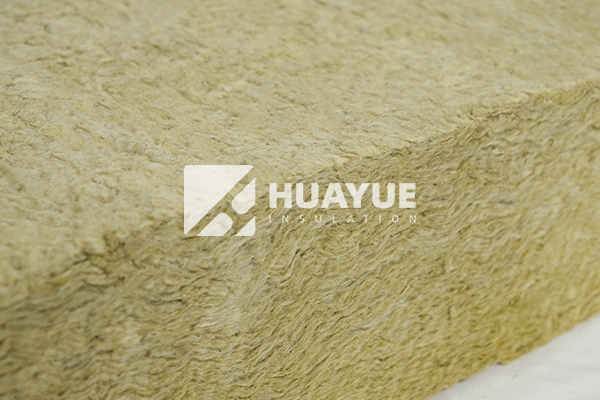
Let’s break it down. The “2×6” refers to nominal wall stud dimensions, whose actual depth is 5.5 inches (140mm). Rock Wool made for 2×6 walls is compressed to fit this space. R-value measures how well insulation resists heat flow—the bigger the value, the better it works. In my daily work with tank and facility insulation, I often see insulation’s effectiveness drop from water absorption or compression. That’s why I look for a material like Rock Wool that keeps its structure over time, does not soak up water, and keeps the R-value steady.
| Thickness (inches) | Insulation Type | R-value Range | Notable Features |
|---|---|---|---|
| 5.5 (2×6 stud) | Rock Wool batt | R-23 to R-24 | Non-combustible, water resistant |
| 5.5 (2×6 stud) | Fiberglass batt | R-19 to R-21 | Prone to moisture, less dense |
| 5.5 (2×6 stud) | Spray foam (open) | R-20 to R-21 | Air sealing, but not always fire resistant |
| 5.5 (2×6 stud) | Spray foam (closed) | R-33 to R-35 | High R, but expensive |
Rock Wool for 2×6 studs sets itself apart with a balance of cost, fire safety, and reliable insulation value. When I explain product options to engineers and builders, I always note how Rock Wool stays strong in damp or high-heat settings—a real plus for tank systems and industrial projects.
What is the R-value of 2×6 insulation?
You know the thickness of your wall or stud. Now you want to know what R-value you can really expect from all common insulation options.
For a standard 2×6 wall, the R-value depends on both the material and installation. Rock Wool leads at R-23 to R-24, outperforming traditional fiberglass batts, which usually reach just R-19 to R-21. Closed-cell spray foam can reach even higher values, up to R-33 or more, but at a much higher cost.
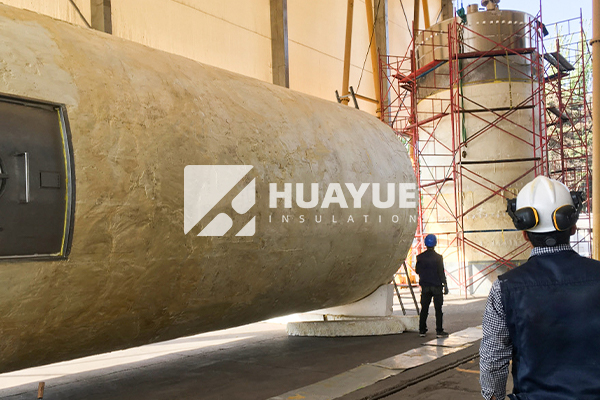
In daily practice, I compare insulation by more than just R-value. I think about what the space will be exposed to. Fiberglass may work in a dry, mild space, but can sag, get wet, or lose R-value in rougher settings. That’s why on large tanks or for strict safety codes, I recommend Rock Wool. It gives reliable insulation, stays dry, and won’t burn.
Here’s a practical guideline for R-values for 2×6 framing, based on my experience:
| Insulation Type | Actual Thickness | Typical R-value | Pros | Cons |
|---|---|---|---|---|
| Rock Wool (Mineral) | 5.5 in | R-23 to R-24 | Fire/waterproof, sturdy | Heavier, slightly costlier |
| Fiberglass Batt | 5.5 in | R-19 to R-21 | Economical, available | Can lose value if wet |
| Open-cell Spray Foam | 5.5 in | R-20 to R-21 | Air seals, easy fill | Soft, not fire-resistant |
| Closed-cell Spray Foam | 5.5 in | R-33+ | Top protection, air seal | Price, tricky install |
| Cotton/Denim Batts | 5.5 in | R-15 to R-16 | Recycled, safe to handle | Lower R, costly |
When guiding customers, I stick to facts and lean on my own testing. Even a 1-point difference in R-value can mean energy savings year-round in tough climates.
What is the R-value of Rock wool?
You want a material you can trust, but you need to know the details.
Rock Wool insulation, also known as mineral wool, comes in a range of densities and thicknesses. The R-value per inch is typically about R-4.2. This means a 5.5-inch thick batt for 2×6 framing will be between R-22 and R-24.
Depending on application, I often recommend thicker or denser Rock Wool for better fire or sound resistance. For walls, tanks, or industrial piping, high-density Rock Wool gives consistent thermal performance and resists rot, fire, and pests. Other insulation types may show high R-value when new but can settle or absorb moisture, affecting real-world results.
Here’s a breakdown by thickness:
| Thickness (inches) | R-value Approx. | Best use |
|---|---|---|
| 1 | R-4.2 | Pipes, tank shells |
| 2 | R-8.4 | Utility enclosures, ductwork |
| 3.5 (2×4 stud) | R-15 | Standard wall cavities |
| 5.5 (2×6 stud) | R-22 to R-24 | Deeper walls, tanks |
| 8 | R-32+ | Extreme cold, specialty uses |
Whenever I assess facilities, I also look at the other advantages: non-combustibility, almost zero water absorption, and minimal long-term settling. These qualities make Rock Wool stand out for high-risk, high-performance needs like chemical tanks or industrial walls.
What is the insulation value of a 2×6?
Planning your insulation job starts with the wall profile. But what value do you actually get from filling a 2×6 stud?
A 2×6 wall filled with mineral wool or Rock Wool insulation achieves about R-23 to R-24. This is the realistic insulation “value” you should expect for new builds or retrofits using this method.
From my experience, most 2×6 walls need not just an R-value, but other benefits like fire-rating and acoustic control. Rock Wool’s dense fibers help dampen noise and resist flame—key in both residential and industrial installations. If you pair Rock Wool batts with an exterior weather barrier and careful sealing, you get longevity and code compliance, reducing future headaches.
| Wall Profile | Insulation Type | Typical R-value | Added Properties | Uses |
|---|---|---|---|---|
| 2×4 Stud | Rock Wool | R-15 | Sound/fire resistant | Home/interior walls |
| 2×6 Stud | Rock Wool | R-23 to R-24 | Fire, moisture, sound | Exterior, tanks walls |
| 2×6 Stud | Fiberglass | R-19 to R-21 | Lower cost | Standard walls |
| 2×6 Stud | Spray Foam | R-33+ | Superior air seal | High-performance |
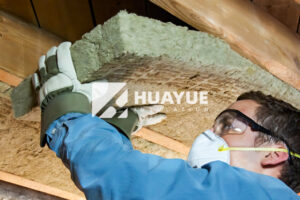
I always advise installers to measure carefully and fill the cavity with as few gaps as possible. Even the best insulation won’t perform if incorrectly installed. Rock Wool’s stiffness makes it easy to cut snug, so even less-experienced crews can get a tight fit, limited waste, and no sagging.
Conclusion
Rock Wool in a 2×6 wall delivers steady R-23 to R-24 performance, fire and water resistance, and long-term value for real-world applications.
You may also be interested in:

Ready to Get Started?
Get in touch with our experts for personalized solutions tailored to your needs.
Get Free QuoteLatest Articles




Let's Work Together
Ready to take your business to the next level? Get in touch with our team of experts and let's discuss how we can help you achieve your goals.
Get Free Solutions