






What Is the Fire Rating of Fiberglass Insulation?
I have seen many facility managers worry about insulation catching fire, leading to downtime and repairs. You might wonder if fiberglass insulation helps or hurts fire safety in your building.
Fiberglass insulation does not burn. It is rated as a noncombustible material and carries high fire ratings, making it a fire-safe choice for most residential and industrial applications.
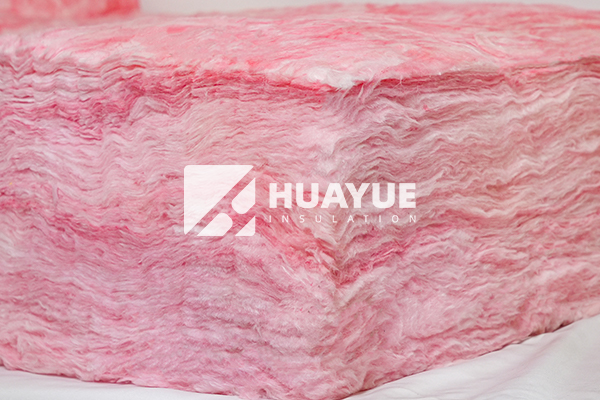
As someone who selects insulation for industrial sites, I know fire safety is not just a line on a product data sheet. Everyone wants peace of mind that walls, pipes, or tanks are not lined with hidden risks. Let’s look deeper—and see if fiberglass insulation stands up to its reputation as a fire-safe solution.
Is Fiberglass Insulation Fire Safe?
After working with many materials, I found worries about insulation causing fires often stop projects before they start.
Yes, fiberglass insulation is fire safe. It does not support combustion and will not burn under normal building fire conditions, making it a preferred choice for fire resistance.
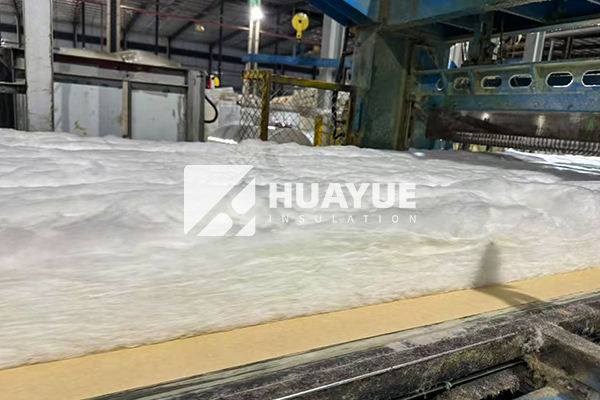
When I inspect older mechanical rooms or chemical storage, I notice fiberglass insulation has often held up even after many years. This comes down to its physical composition. Fiberglass insulation is made from sand and recycled glass, melted and spun into fibers. These fibers do not ignite. Even if exposed to a flame, fiberglass insulation will only melt at very high temperatures. I have also read the official fire ratings. Most fiberglass insulation meets ASTM E136 rating: noncombustible. It also gets high marks in UL 723 and ASTM E84, both crucial for building code fire safety. Sometimes there is a paper or foil facing as part of the product, but the glass fibers themselves are the part you want to trust for fire resistance.
| Property | Fiberglass Insulation | Organic Insulation (e.g. cellulose) | Foam Board |
|---|---|---|---|
| Ignites Easily? | No | Yes | Sometimes |
| Melting Point | ~1000°C | 180°C – 220°C | 200°C – 300°C |
| Produces Toxic Smoke | No | Yes | Sometimes |
| Building Code Fire Approved | Yes | With additives | Some types only |
If fire safety is a requirement for your next insulation job, fiberglass insulation definitely checks the boxes.
At What Temperature Does Fiberglass Insulation Ignite?
Every plant manager wants to know: where’s the weak point? At what heat does even the best material fail?
Fiberglass insulation melts instead of burning, with a melting point between 1000°C and 1200°C. It does not support ignition under standard fire conditions.
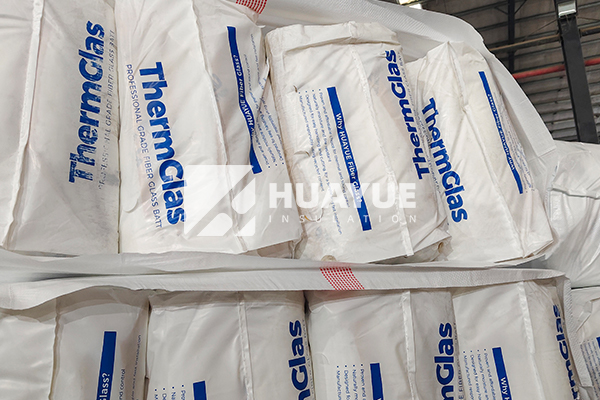
Over the years, I have watched fire crews train using wall assemblies filled with fiberglass insulation. I see that the insulation does not ignite or spread flame, even when reached by fire. Instead of burning, fiberglass insulation loses shape and melts away at very high temperatures. Standard building fires rarely get hot enough to reach the melting point of glass. Even in catastrophic fires, fiberglass insulation acts as a passive fire barrier for a long time, simply because the glass fibers do not contain fuel or chemicals that burn. Of course, any paper or foil covering can ignite at lower temperatures, but the main batt or board is what matters for stopping flame spread in walls and ceilings. What fails before glass insulation does? Usually, the wood, plastic, or metal structures supporting it. That is a powerful argument for choosing glass fiber as your fire safety solution around tanks, piping, or infrastructure.
| Material | Ignition Point | Melting Point |
|---|---|---|
| Fiberglass insulation | Will not ignite | 1000°C – 1200°C |
| Rock wool insulation | Will not ignite | 1000°C – 1200°C |
| Cellulose insulation | 220°C – 250°C | 260°C – 300°C |
| Polystyrene foam board | 350°C – 400°C | 100°C – 145°C |
| Wood framing | 300°C – 350°C | ~500°C (charring) |
Choosing fiberglass means choosing a material that stays put until the very last moments of a fire.
Can You Use Fiberglass Insulation Around a Fireplace?
A common worry is heat and sparks from fireplaces causing insulation to catch fire and put the home at risk.
Fiberglass insulation can be used around fireplaces if it is not exposed directly to flames and meets building code requirements. It resists heat but should always be separated from fire by a protective barrier.
When I install insulation near fireplaces, I always use a fire-resistant facing or physical barrier as required by building codes. This means placing gypsum board, masonry, or metal around the fireplace. The fiberglass insulation goes in the walls or cavities behind this fire-rated material. The reason for this setup is simple. While fiberglass itself will not burn, the high heat of a firebox could damage any insulation exposed directly to flames or high heat. Also, many fiberglass products have kraft paper or foil facings. Paper can burn. It is safest—and up to code—to use unfaced fiberglass or faced only with noncombustible materials in these areas. Always check your local codes, because they set out exactly what type of insulation and barrier are needed. But when installed with the proper separation and firestop, fiberglass insulation provides reliable safety behind and around fireplaces—even after years of use.
Does Fiberglass Insulation Count as Fire Blocking?
Building inspectors want to know what stops fire from traveling through hidden spaces. People ask if just stuffing fiberglass insulation into a wall is enough to meet fire block requirements.
Fiberglass insulation itself is not considered an approved fire block, but it can help limit fire spread when used with coded fire blocking materials.
When I review fire block plans for a new tank or equipment enclosure, I always check the materials list. Most fire codes require fire blocks made from solid wood, gypsum board, or mineral fiber batts approved for fire stopping. Fiberglass batt insulation does not qualify on its own because it is fluffy and does not stop air movement well. However, in combination with other systems, fiberglass helps keep heat and fire in check. It does not add fuel to the fire, does not melt easily, and does not produce toxic smoke. The real work of fire blocking comes from rigid mineral wool, fire-rated boards, or solid blocks installed inside cavities. Fiberglass makes those systems perform even better. It acts as a backup, adding a layer of thermal protection and helping slow the fire. When I sign off on a completed facility, I know that using fiberglass insulation with proper fire blocking gives you the best of both—peace of mind that meets code and uses the right material for every job.
| Fire Blocking Solutions | Building Code Approved? | Role of Fiberglass Insulation |
|---|---|---|
| 2×4 solid wood studs | Yes | Not required, can be used |
| 1/2" gypsum board | Yes | Not required, can be used |
| Mineral wool fire batts | Yes | Alternative to fiberglass |
| Fiberglass insulation batts | No (alone) | Adjunct, not main material |
| Firestop caulk or sealant | Yes | Used with insulation |
Conclusion
Fiberglass insulation is a fire-safe material, rated noncombustible, with high resistance to heat and flame. It is trusted by professionals for safe, long-term building protection.
You may also be interested in:
Ready to Get Started?
Get in touch with our experts for personalized solutions tailored to your needs.
Get Free QuoteLatest Articles


Should B2B Buyers Choose Mineral Wool Insulation?
Mar 31, 2026
Is Rock Wool a Good Choice for Acoustic Insulation?
Mar 30, 2026
Rockwool Insulation for Roof: Best Practices (2026)
Mar 27, 2026
Let's Work Together
Ready to take your business to the next level? Get in touch with our team of experts and let's discuss how we can help you achieve your goals.
Get Free Solutions