








What Is Rock Wool Made Of?
Industrial insulation can be confusing, especially when you need a long-lasting solution for harsh environments. Choosing the wrong material could mean costly, recurring problems.
Rock wool is made from natural basalt rocks and recycled slag, melted together at high temperatures, then spun into fibers. This process creates a fire-resistant, moisture-proof, and highly durable insulation material suitable for many industrial uses.
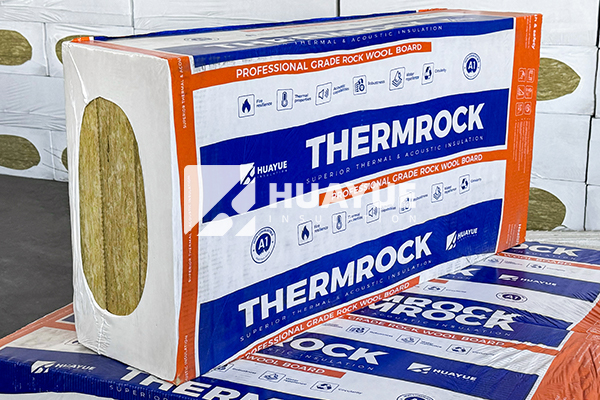
There are so many materials that look alike, so why does rock wool stand out? If you’re like me, you want the details before making a decision. I often walk through our plant and remember when I first learned how the combination of simple rock and skilled engineering creates such reliable insulation. Let me walk you through exactly what makes rock wool unique and valuable in tough industrial settings.
What Raw Materials Are Used to Produce Rock Wool?
Rock wool wouldn’t exist without two basic ingredients: basalt and recycled slag. Learn why they matter.
The main ingredients for making rock wool are basalt rock and blast furnace slag. Basalt offers stability and heat resistance, while slag comes from steel production, adding recycled content.
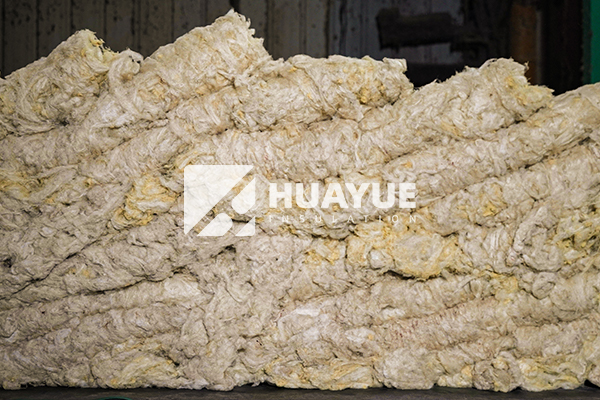
Let’s look closer. Basalt is a volcanic rock. There’s plenty of it and it doesn’t change chemically at high temperatures. This makes it ideal for insulation. Blast furnace slag is a by-product of making steel. Using slag reduces waste and saves resources. In the production process, factories usually mix about 60%-70% basalt and 30%-40% slag. They add small amounts of binders and oils for fiber formation and dust control.
Here’s a quick breakdown:
| Raw Material | Function |
|---|---|
| Basalt rock | Heat resistance, stability |
| Furnace slag | Recycling, cost efficiency |
| Binders & oils | Fiber formation, dust control |
I remember the first batch of rock wool we made at our plant — the mix of natural rock and recycled industry by-products still amazes me.
How Is Rock Wool Manufactured?
The process that transforms simple rocks into high-quality insulation is both high-tech and reliable.
Rock wool manufacturing begins with crushing, mixing, then melting raw materials at about 1400°C. The molten mix is spun at high speed to produce fibers, which are collected, bound, and shaped.
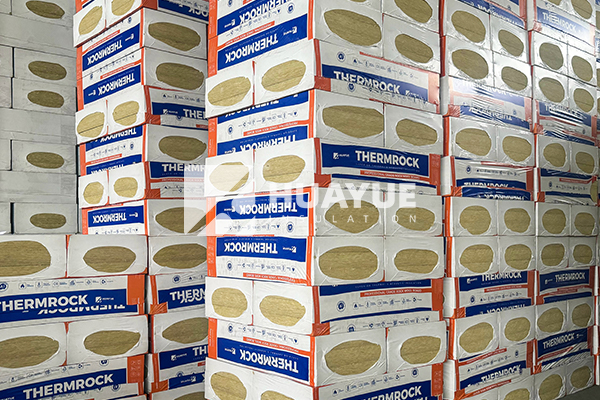
Let’s break it down step by step. First, the basalt and slag are crushed and carefully weighed. After blending, they enter a furnace heated to 1400°C or higher. The melt pours out and is spun in a chamber. Think of spinning sugar into cotton candy—only much hotter. High-speed spinning creates long, thin fibers. The fibers fall onto a conveyor, where binders are sprayed in. The mat is pressed to the desired thickness, then cured in an oven. Once cooled, workers cut it to size and pack it for use.
This table summarizes the steps:
| Step | Description |
|---|---|
| Crushing & mixing | Basalt and slag are prepared and combined |
| Melting | Materials heated to form molten rock |
| Fiberizing | Melt spun into fibers at high speed |
| Binders added | Binders sprayed to help fibers stick together |
| Curing & shaping | Pressed, heated, and shaped to specification |
| Cutting & packaging | Processed into rolls, boards or pipe sections |
The process might sound complex but every step is critical to achieving the fireproof nature and durability that rock wool is known for.
What Key Properties Does Rock Wool Offer?
When evaluating insulation, you need to know how it stands up under real-world conditions.
Rock wool has high fire resistance, excellent thermal insulation, good sound absorption, and is not affected by moisture or pests.
All these qualities are a direct result of how rock wool is made. Because the fibers come from stone, rock wool will not burn. You can expose rock wool to temperatures over 1000°C and it still holds up. The space between fibers traps air, which makes it great at slowing heat flow and lowering energy loss.
Noise reduction is another plus. I once stood inside a test room lined with dense rock wool—we couldn’t hear a thing from outside. Rock wool’s structure interrupts sound waves, giving it top-notch acoustic performance. Unlike organic insulation, it won’t rot or attract insects, so it lasts for decades even in humid tanks. Some key properties summarize like this:
| Property | Benefit |
|---|---|
| Fire Resistance | Withstands >1000°C, won’t burn |
| Thermal Insulation | Lowers heat loss, saves energy |
| Acoustic Performance | Blocks sound, improves work atmosphere |
| Moisture Resistance | No rot, mold, or degradation |
| Long-term stability | Holds shape, less maintenance needed |
These features solve many common headaches for plant engineers, especially for tough jobs like cryogenic tanks or high-temp reactors.
Why Is Rock Wool Chosen for Industrial Applications?
With so many insulation choices, why do so many engineers trust rock wool for their plants?
Factories use rock wool because it stops heat loss, cuts sound, stays strong over time, and does not support fire or mold growth.
I learned early on how critical it is for insulation to perform in all kinds of conditions. When you have tanks and pipes dealing with extreme temperatures and strict safety rules, only tough materials make the cut.
In chemical plants, where corrosion under insulation (CUI) can shut down operations, rock wool’s water resistance makes a real difference. Its fire rating often means lower insurance costs. The simple fact is, if you need peace of mind, rock wool’s durability and safety profile are hard to beat. Compared to traditional materials like fiberglass, rock wool usually offers better fireproofing and resists physical damage.
Here is a clear comparison:
| Feature | Rock Wool | Other Materials |
|---|---|---|
| Fire resistance | Excellent | Variable |
| Water absorption | Minimal | Sometimes higher |
| Acoustic insulation | High | Varies |
| Mechanical strength | High | Moderate |
| Life expectancy | 25+ years | 10-20 years |
For demanding applications, these details make all the difference, especially in large, complex tanks or high-value production lines.
What Environmental Benefits Does Rock Wool Provide?
Many projects must balance tough requirements and green initiatives—so what does rock wool offer here?
Rock wool is sustainable: made with recycled materials, limits waste, lasts decades, and saves energy through superior insulation performance.
I’m proud that rock wool production uses a lot of recycled slag. This means less waste heads to landfills. Most of the rock wool we make can be recycled when a project ends and doesn’t release harmful chemicals during its life. The energy it saves in industrial facilities far outweighs what it takes to make it.
A quick eco-fact table:
| Environmental Benefit | Rock Wool vs. Other Insulation |
|---|---|
| Recycled content | High (up to 40% or more) |
| End-of-life recycling | Yes, recyclable |
| VOC emissions | Very low to none |
| Energy savings | High, especially for large plants |
When I walk through a finished tank installation and realize we’ve reduced energy use and helped the plant stay green, I know we made the right call.
Conclusion
Rock wool is made from natural basalt and slag, designed for fireproof, durable, and sustainable insulation—key reasons it’s trusted by plant engineers worldwide.
You may also be interested in:

Ready to Get Started?
Get in touch with our experts for personalized solutions tailored to your needs.
Get Free QuoteLatest Articles



Should B2B Buyers Choose Mineral Wool Insulation?
Mar 31, 2026
Is Rock Wool a Good Choice for Acoustic Insulation?
Mar 30, 2026
Rockwool Insulation for Roof: Best Practices (2026)
Mar 27, 2026
Let's Work Together
Ready to take your business to the next level? Get in touch with our team of experts and let's discuss how we can help you achieve your goals.
Get Free Solutions