








What is rock wool cavityrock insulation and how does it work?
Choosing insulation can be tough. It affects energy bills and comfort. Rock wool cavityrock insulation is a reliable choice.
Rock wool cavityrock insulation offers excellent thermal performance. It provides a fire-resistant barrier, maintaining energy efficiency in various settings.
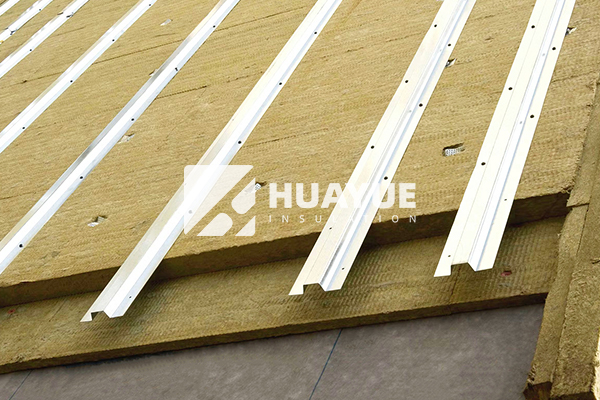
Understanding rock wool cavityrock insulation helps make smart choices. Let’s explore its uses and benefits.
What is ROCK WOOL CavityRock used for?
When looking for insulation, options can be overwhelming. Knowing where to use it matters. Specific applications need specific solutions.
ROCK WOOL CavityRock is mainly used for thermal insulation in buildings. It is effective at temperatures up to 1200°F, making it ideal for industrial and commercial settings.
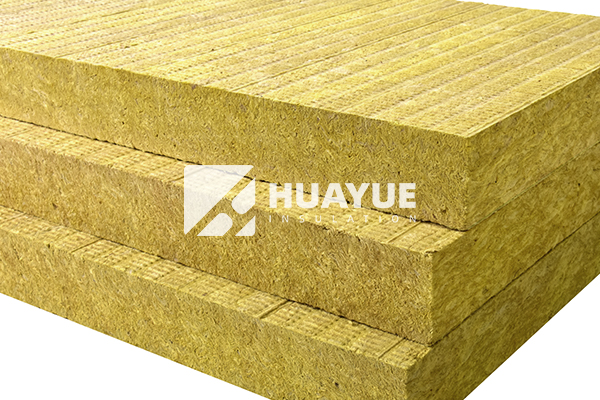
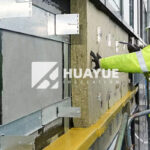
ROCK WOOL CavityRock is designed for cavity wall applications. Its dense structure helps reduce heat loss, providing a comfortable indoor environment. Used in various sectors, it supports energy conservation. In factories, it minimizes heat transfer across walls, optimizing energy use. It’s also used in residential buildings, offering high thermal resistance. Its fire-resistant properties make it suitable for areas requiring stringent safety standards. The material composition includes basalt rock and recycled slag, ensuring durability and environmental friendliness.
Is ROCK WOOL good for cavity wall insulation?
Cavity wall insulation choices can be confusing. Performance varies among types. Selecting the right one is crucial.
ROCK WOOL is excellent for cavity wall insulation due to its low thermal conductivity of 0.034 W/m·K. It reduces energy loss significantly.
ROCK WOOL’s fibrous structure traps air, enhancing insulation properties. It provides a robust barrier against heat and cold. In cavity walls, it fits snugly, eliminating gaps that could cause thermal bridging. This ensures consistent performance across seasons. The material’s density also aids in sound absorption, making it useful in noisy environments. Its moisture resistance prevents mold growth, maintaining indoor air quality. Installation is straightforward, typically involving cutting to fit specific dimensions. ROCK WOOL’s effectiveness in cavity walls is proven by its widespread use in commercial buildings, where efficiency and safety are key.
What are the negatives of ROCK WOOL insulation?
No insulation is perfect. Understanding drawbacks is essential. Helps make informed decisions.
ROCK WOOL insulation can be challenging due to its weight. It may require extra support in certain applications, impacting installation time and cost.
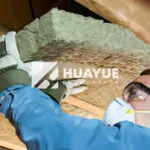
ROCK WOOL, while effective, comes with some considerations. Its fibrous nature can be irritating during handling, necessitating protective gear. The installation process may require additional structural support, especially in retrofit projects. This can increase labor costs. While ROCK WOOL is moisture resistant, prolonged exposure to water can affect its performance, necessitating proper sealing. The insulation material is also heavier than alternatives like fiberglass, impacting transport and handling. Despite these factors, its benefits often outweigh the negatives, especially in demanding environments requiring high thermal and fire resistance.
Is ROCK WOOL good for insulation?
Insulation impacts energy efficiency. Choosing wisely saves money. ROCK WOOL offers unique advantages.
ROCK WOOL is highly effective for insulation, offering up to 90% reduction in heat loss. Its soundproofing capability enhances comfort in various settings.
ROCK WOOL excels in thermal insulation, making it a preferred choice in diverse applications. It significantly reduces energy consumption, contributing to lower heating and cooling costs. Its sound absorption properties create quieter environments, benefiting residential and commercial spaces alike. The material’s fire-resistant nature provides safety, essential in high-risk areas. ROCK WOOL’s durability ensures a long service life, reducing replacement frequency. Installation is flexible, accommodating various building designs and structures. Its environmental benefits are notable, with recyclable content minimizing ecological impact. ROCK WOOL remains a top choice for effective and sustainable insulation solutions.
What happens to ROCK WOOL when it gets wet?
Moisture exposure is a concern for insulation. Performance may decline. Knowing material behavior helps plan better.
When ROCK WOOL gets wet, it retains its shape but loses thermal efficiency. It is crucial to ensure proper water management to maintain performance.
ROCK WOOL’s fibrous structure is designed to resist moisture. However, prolonged wet conditions can lead to reduced insulation effectiveness. This is because water fills air pockets, diminishing heat retention capability. It is essential to install ROCK WOOL with proper vapor barriers and drainage systems to prevent water infiltration. If wet, ROCK WOOL should be dried thoroughly to restore its properties. Regular inspections help identify potential moisture issues early. Despite these challenges, ROCK WOOL’s inherent robustness ensures it maintains structural integrity even when exposed to moisture. Proper installation and maintenance mitigate risks, ensuring continued efficiency.

Conclusion
Rock wool cavityrock insulation proves its worth in energy efficiency and safety, offering robust solutions for diverse applications.
You may also be interested in:

Ready to Get Started?
Get in touch with our experts for personalized solutions tailored to your needs.
Get Free QuoteLatest Articles



Should B2B Buyers Choose Mineral Wool Insulation?
Mar 31, 2026
Let's Work Together
Ready to take your business to the next level? Get in touch with our team of experts and let's discuss how we can help you achieve your goals.
Get Free Solutions