








What is R19 Kraft Fiberglass Insulation Batt?
As someone who’s spent years working in the insulation industry, I’ve encountered countless homeowners and contractors asking about R19 kraft fiberglass insulation. Today, I want to share my knowledge and help you understand everything about this popular insulation type.
What is R19 Kraft Insulation?
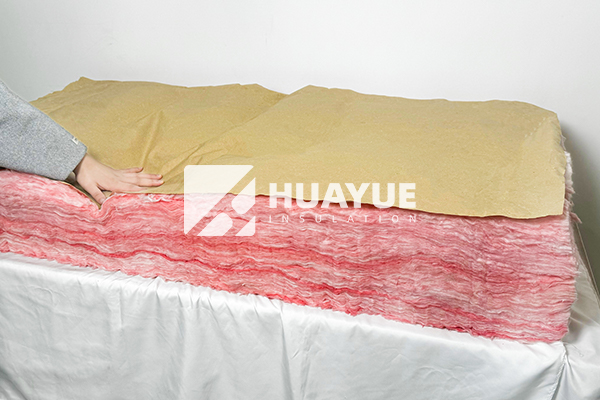
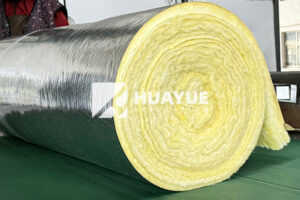
R19 kraft insulation is a type of fiberglass batt insulation that comes with a kraft (paper) facing attached to one side. The "R" in R19 refers to the thermal resistance rating—meaning this insulation provides an R-value of 19, which indicates its effectiveness at resisting heat flow. The higher the R-value, the better the insulation’s thermal performance.
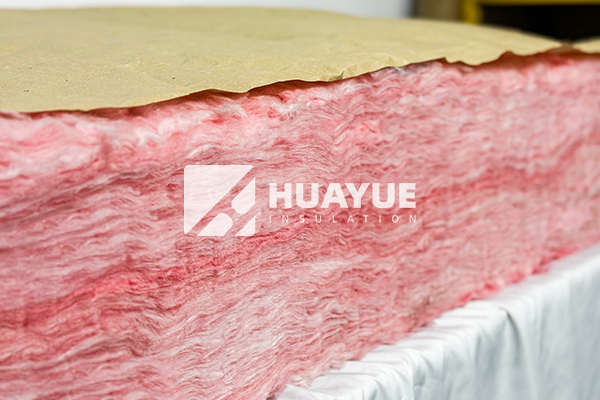
In my experience, R19 kraft fiberglass insulation typically comes in rolls or pre-cut batts that are approximately 6 to 8 inches thick, depending on the manufacturer. The kraft facing serves multiple purposes: it acts as a vapor retarder, makes the insulation easier to handle during installation, and gives the material a more finished appearance when installed in walls, ceilings, or floors.
The fiberglass core consists of fine glass fibers that trap air pockets, which is what actually provides the thermal resistance. This design has been used for decades and remains one of the most cost-effective insulation solutions available in the market today. I’ve installed countless rolls of this material in residential and commercial buildings, and it consistently performs well when properly installed.
When you’re shopping for insulation, you’ll often see R19 kraft insulation labeled with dimensions like 15" x 40′ or 23" x 40′, designed to fit standard wall studs spaced 16 inches on center or 24 inches on center. The kraft facing is usually tan or brown in color, which distinguishes it from unfaced fiberglass insulation or other types like mineral wool.
What Does "Kraft" Mean on Insulation?
The term "kraft" refers to a specific type of paper facing that’s applied to fiberglass insulation. Derived from the German word for "strong," kraft paper is a durable, heavy-duty paper material that’s treated to resist moisture and tearing. When you see "kraft" on insulation, it means the product has this paper layer attached to one surface.
In practical terms, the kraft facing on insulation serves as an integrated vapor retarder. This is crucial because without proper vapor control, moisture can migrate into the insulation, compromising its thermal performance and potentially causing mold growth or structural damage. I’ve seen too many homes suffer from moisture problems because the builder skipped the vapor barrier—or installed it incorrectly.
The kraft facing also provides a convenient handle for installers. Fiberglass insulation can be itchy and difficult to grip, but the paper layer makes it much easier to position and secure in place. This is something I genuinely appreciate when working on large projects, as it speeds up installation significantly.
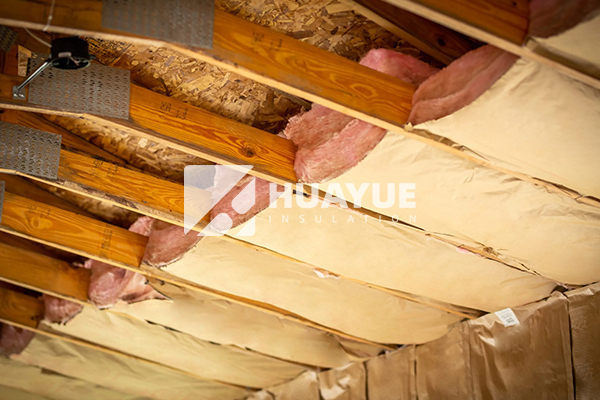
It’s important to note that kraft-faced insulation should be installed with the paper side facing the interior of the building—in most climates, this means the paper faces toward you when you’re working inside the house. This orientation ensures the vapor retarder is on the warm side of the insulation, which is the correct installation practice for most North American climates.
One thing I always tell customers: while kraft facing provides some moisture resistance, it’s not completely impermeable. In very humid climates or in areas with extreme temperature swings, you might need an additional vapor barrier or a different type of insulation solution. Always check your local building codes and climate conditions before making your final decision.
What is R19 Insulation Best Used For?
R19 insulation is best used in several key applications throughout residential and commercial buildings. Based on my field experience, let me break down the most common and effective uses for this insulation type.
The primary application for R19 insulation is in exterior wall cavities. In standard wood-frame construction with 2×6 walls, R19 batts fit perfectly between studs spaced 16 inches on center. This provides excellent thermal resistance for walls that need to meet modern energy codes. I’ve found that properly installed R19 in walls can reduce heating and cooling costs by 20-30% compared to uninsulated or poorly insulated walls.
Attic insulation is another excellent application for R19. While you might need higher R-values (R30-R49) in very cold or very hot climates, R19 works well as part of a layered insulation system in attics. In warmer climates, R19 may actually exceed code requirements for attic insulation. I often see it used in cathedral ceilings where the cavity depth limits the possible R-value.
Floor insulation is where R19 truly shines in many applications. Whether it’s over a crawl space, above a garage, or between floors in a multi-story home, R19 batt insulation effectively reduces heat loss through floors and helps soundproof between levels. The kraft facing is particularly useful in these applications because it provides that important vapor control.
Basement and foundation walls can also benefit from R19 insulation, though in these applications you might need to pair it with rigid foam board for moisture control. I’ve insulated many basements using R19 against the interior of foundation walls, followed by a stud wall and drywall finish.
One thing to keep in mind: R19 insulation requires a minimum cavity depth of about 6 inches to achieve its rated thermal performance. If your wall studs are only 2×4 (which provides about 3.5 inches of cavity space), you’ll need to use R13 insulation instead, or consider adding rigid foam to achieve equivalent thermal resistance.
What is R30 Kraft Insulation?
R30 kraft insulation represents the next step up in thermal performance from R19, offering an R-value of 30—which is approximately 55% more thermal resistance than R19. This makes R30 an excellent choice for applications where maximum insulation performance is required.
R30 kraft fiberglass insulation is typically thicker than R19, usually ranging from 8 to 10 inches in thickness. Because of this increased bulk, R30 is most commonly found in attic applications where there’s sufficient space to accommodate the deeper insulation layer. In my experience, it’s particularly popular in new construction where builders want to exceed minimum code requirements.
The kraft facing on R30 insulation serves the same functions as on R19: vapor retardation, easier handling, and a neater appearance. However, because R30 batts are thicker and heavier, the kraft facing provides even more benefit in terms of structural integrity during installation. I’ve worked with both, and the thicker batts definitely benefit from the added support.
In terms of cost, R30 kraft insulation typically runs 20-40% more expensive than R19, depending on the brand and region. However, the additional thermal performance can translate into lower energy bills over time. In colder climates especially, the investment often pays off within a few years through reduced heating costs.
When deciding between R19 and R30, consider your climate zone, budget, and the specific application. For standard walls with 2×6 framing, R19 is usually the maximum that fits without compression—which is important because compressing insulation reduces its effectiveness. For attics, crawl spaces, and other areas with more depth, R30 is often the better choice.
In conclusion, both R19 and R30 kraft fiberglass insulation are excellent choices for improving your home’s energy efficiency and comfort. The right choice depends on your specific needs, climate, and installation area. Always consult with a professional or check local building codes to ensure you’re meeting minimum requirements while getting the best performance for your investment.
You may also be interested in:

Ready to Get Started?
Get in touch with our experts for personalized solutions tailored to your needs.
Get Free QuoteLatest Articles



Let's Work Together
Ready to take your business to the next level? Get in touch with our team of experts and let's discuss how we can help you achieve your goals.
Get Free Solutions