







What is High Density Mineral Wool?
I’ve been working in the insulation industry for over a decade, and one of the most common questions I get from contractors and homeowners alike is about mineral wool density. Today, I want to share my knowledge about high density mineral wool and help you understand whether it’s the right choice for your project.
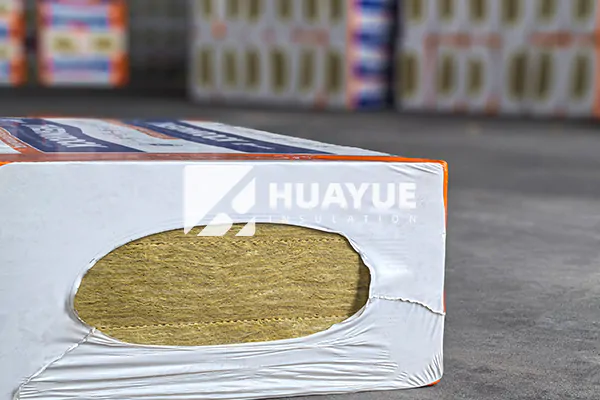
Mineral wool insulation has become increasingly popular in recent years, and for good reason. It offers excellent thermal performance, soundproofing qualities, and fire resistance. But when it comes to choosing the right density, things can get confusing. Let me break it down for you based on what I’ve learned from countless installations and conversations with industry experts.
What is the highest density of mineral wool?
From my experience in the field, mineral wool density can vary significantly depending on the intended application. The highest density mineral wool products I typically work with range from 100 to 200 kg/m³. These are specialized industrial-grade products designed for demanding applications where superior acoustic performance or fire protection is critical.
In commercial and industrial settings, I’ve seen mineral wool with densities exceeding 150 kg/m³ used in heavy-duty insulation applications. These high-density products are commonly used in marine insulation, HVAC systems, and high-temperature industrial equipment where standard insulation would simply not suffice. The densest products available can even reach 200 kg/m³ or higher, though these are typically custom-manufactured for specific engineering projects.
For residential applications, which is what most of my clients ask about, the typical density ranges from 25 to 80 kg/m³. This provides excellent thermal and acoustic performance without the added cost and complexity of industrial-grade products. In my experience, understanding the specific density requirements for your project is crucial—using unnecessarily high-density material wastes money, while using too low-density material compromises performance.
Is there a difference between rockwool and mineral wool?
This is one of the most frequently asked questions I encounter, and I understand why it causes confusion. In my years of working in this industry, I’ve learned that while these terms are often used interchangeably, there are subtle but important differences.
Rockwool, also known as stone wool, is a specific type of mineral wool made primarily from natural volcanic rock (typically basalt or diabase) combined with limestone. The manufacturing process involves melting the raw materials at extremely high temperatures and then spinning them into fine fibers. This process creates a product with excellent fire-resistant properties and outstanding acoustic characteristics.
Mineral wool, on the other hand, is a broader category that includes both rockwool and glass wool. Glass wool is produced from recycled glass or sand melted at lower temperatures and spun into fibers. From my practical experience, glass wool tends to be lighter and more flexible, making it easier to install in certain applications, while rockwool offers superior fire resistance and acoustic performance.
When choosing between the two for your project, consider what matters most to you. In my professional opinion, rockwool is generally the better choice for acoustic isolation and fire-critical applications, while glass wool can be more cost-effective for standard thermal insulation where extreme fire resistance isn’t required.
What are the downsides of mineral wool?
As much as I appreciate mineral wool for its excellent performance characteristics, I believe it’s only fair to discuss the drawbacks I and my colleagues have encountered over the years. Being transparent about limitations helps clients make informed decisions.
The first downside I often discuss with clients is cost. In my experience, mineral wool is typically more expensive than fiberglass insulation of equivalent thermal performance. The price difference can be significant, especially for large residential or commercial projects. However, I always point out that the superior acoustic and fire-resistant properties often justify the additional investment.
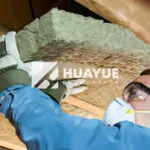
Another concern I have is with the installation process. Mineral wool fibers can cause skin irritation, and I always advise anyone working with it to wear protective clothing, gloves, and eye protection. The fibers can be quite itchy and uncomfortable if they come into contact with skin. Inhaling loose fibers is also a health concern, which is why proper respiratory protection is essential during installation.
Weight is another factor to consider. High density mineral wool is considerably heavier than alternatives like fiberglass. This can affect structural considerations in some applications, and I’ve had to account for this in several commercial projects where framing needed to be reinforced to support the weight of dense mineral wool insulation.
Is higher density insulation better?
This is a nuanced question that I get asked frequently, and my answer is always "it depends." From my professional experience, higher density insulation offers several advantages, but whether it’s "better" depends entirely on your specific requirements and application.
Higher density mineral wool provides superior sound absorption, which makes it ideal for theaters, recording studios, and residential buildings where noise reduction is a priority. I’ve installed high-density mineral wool in numerous multi-family housing projects, and the difference in acoustic comfort is remarkable compared to standard insulation.
Thermal performance is another area where density matters, though not as directly as you might think. Higher density doesn’t necessarily mean better thermal resistance (that metric is measured as R-value). However, high-density insulation has better thermal mass, which can help regulate temperature fluctuations and improve energy efficiency in certain applications.
For exterior wall applications, I’ve found that higher density mineral wool performs exceptionally well because it fills cavities more completely and resists settling over time. Lower density products can compress or sag, reducing their effectiveness years after installation.
However, for standard residential attic insulation where cost-effectiveness is priority, lower density mineral wool or fiberglass often makes more sense. The marginal improvement in performance rarely justifies the significantly higher cost for simple thermal applications.
In conclusion, higher density insulation is better for specific applications—particularly acoustic isolation and commercial installations— but for typical residential thermal insulation, a mid-range density product usually offers the best balance of performance and cost.
Based on my experience in the insulation industry, I hope this article has helped clarify the complexities of high density mineral wool. Whether it’s the right choice depends on your specific needs, budget, and application requirements.
You may also be interested in:
Ready to Get Started?
Get in touch with our experts for personalized solutions tailored to your needs.
Get Free QuoteLatest Articles


Let's Work Together
Ready to take your business to the next level? Get in touch with our team of experts and let's discuss how we can help you achieve your goals.
Get Free Solutions