




What Does Fiberglass Insulation Look Like?
A lot of people are unsure about which insulation material is hidden in their walls or tanks, and identifying fiberglass insulation at a glance can be confusing.
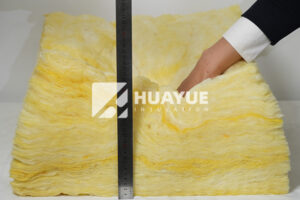
Fiberglass insulation usually looks like soft, fluffy blankets or batts of glass fibers, often with a pink, yellow, or white color. It may also come as loose fill, but always appears fibrous and slightly shiny.
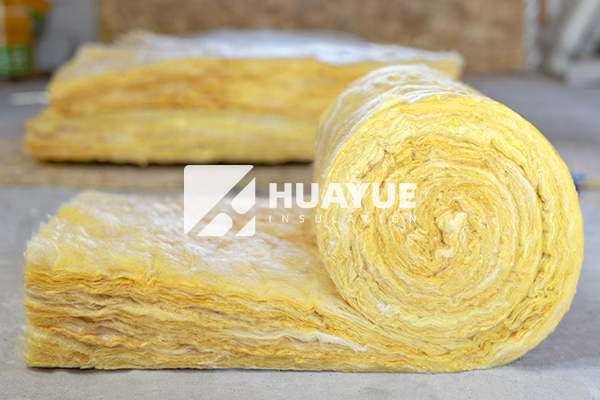
Some people worry about the hazards and identification of insulation materials. If you want to recognize fiberglass, touch it, or check its condition, here is what you need to know. I have worked with fiberglass insulation for years, inspecting, specifying, and explaining its appearance to colleagues and clients. Let me share my insights on the most common questions.
How to Tell if It’s Fiberglass Insulation?
Many people are anxious when opening walls or tanks, unsure if the fluffy material is fiberglass. This anxiety grows if they think about possible health risks while handling unfamiliar materials.
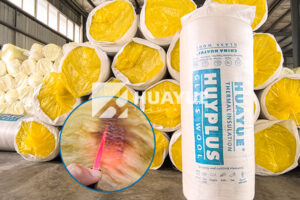
You can tell it is fiberglass insulation because it is soft and flexible, has a light sheen, and features hundreds of tiny glass fibers visible close up. It usually appears in blankets (batts), rolls, or loose-fill chunks.
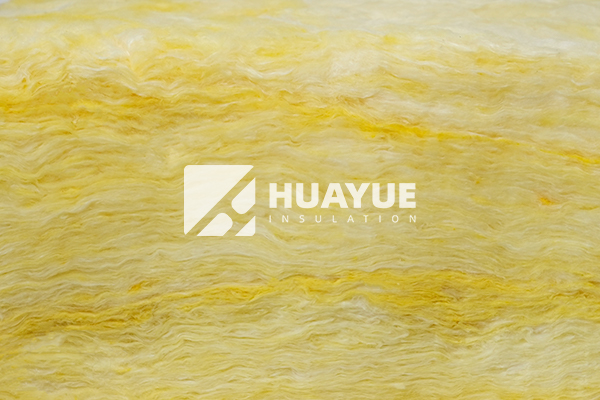
Fiberglass insulation has a very distinct look and texture compared with other insulating materials. It is made from molten glass spun into fibers, then formed into mats, rolls, or loose fill. You can identify it by its slightly glittery sheen under light. From my inspections, it is always more "fluffy" than rigid insulation—never hard or smooth like foam glass or board products. It compresses easily, then springs back when released. If you rub it gently, fine, almost-invisible splinters of glass can get on your hands or skin, which is why it feels itchy after contact.
| Feature | Fiberglass Insulation | Other Insulation Types |
|---|---|---|
| Texture | Soft and fluffy | Can be rigid, squishy or soft |
| Appearance | Shiny, slightly glossy | Matte, waxy, chalky |
| Structure (close up) | Many thin glass fibers | Dense foam, granules, boards |
| Common Colors | Pink, yellow, white | Gray, brown, black (others) |
| Usual Form | Batts, rolls, loose fill | Boards, foamed sheets, beads |
Knowing these visual features can help you identify fiberglass insulation and distinguish it from other common types like mineral wool, cellulose, or foam.
Can I Touch Fiberglass with My Bare Hands?
Many people wonder if touching fiberglass insulation will irritate their skin or cause health problems. The fear often stops them from doing small repairs or inspections.
You should not touch fiberglass insulation with bare hands. The fibers can stick in your skin and cause itching, redness, and irritation. Always use gloves and wear long sleeves to protect yourself.
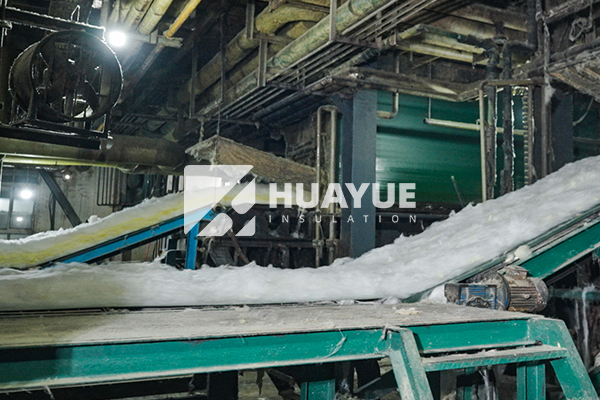
Fiberglass insulation is made up of very fine strands of glass. When you touch it with bare hands, some fibers break off and stick into your skin like tiny splinters. I made the mistake of not using gloves once and my hands felt itchy and prickly for hours. This irritation does not usually cause lasting harm, but it can be very uncomfortable. Sometimes, particles float in the air and can irritate your eyes, nose, or lungs if you do not wear a mask or goggles. Even though fiberglass is not very dangerous if touched briefly, it is always safest to wear gloves, long sleeves, and protective gear when handling, cutting, or installing it. This way, you avoid the scratchy, lingering irritation and protect yourself from possible allergic reactions.
What Does Bad Fiberglass Insulation Look Like?
Some homeowners and engineers worry the insulation inside their walls or tanks is no longer doing its job, especially after water leaks, pest issues, or building upgrades. They do not know what to look for.
Bad fiberglass insulation looks matted, compacted, discolored, or dirty. It may have dark stains, signs of mold, or sections that appear flattened and no longer fluffy.
If fiberglass insulation works well, it looks fluffy and nearly fills the whole cavity, whether in a tank, wall, or ceiling. Over time, moisture, pests, or heavy compression can ruin it. From many inspections, I have seen insulation that has turned gray or black in spots, with visible dirt, dust, or even mold. Water-soaked insulation hangs limply or sticks together in dense clumps instead of staying springy and soft. Sometimes, pests like mice or insects nest inside, leaving holes, tunnels, or droppings. When fiberglass becomes too compacted, it loses its air pockets, which reduces its thermal resistance dramatically.
| Good Fiberglass Insulation | Bad Fiberglass Insulation |
|---|---|
| Bright, uniform color | Gray, black, stained, dirty |
| Soft, fluffy feel | Matted, clumped, compacted |
| Fills space evenly | Bares spots or gaps |
| No visible mold | Mold growth, foul odor |
| No pest activity | Tunnels or nesting traces |
If you notice signs of bad insulation, it is usually best to remove and replace those sections to keep your tank or building energy efficient and safe.
What Color Is Fiberglass Insulation?
Some people use color as a clue, especially when they open up walls, tanks, or packages. It is easy to mistake fiberglass for other materials if you do not know the typical colors.
Fiberglass insulation is usually pink, yellow, or white. Major brands color their products for easy identification, but color does not affect thermal performance.
In my experience, pink is the most common color in residential walls and attics, especially in North America, as some leading brands have trademarked pink fiberglass. In tanks and commercial buildings, you can find white or yellow insulation, depending on the binder and glass used. However, color alone does not decide quality or effectiveness. Some fiberglass insulation is uncolored, appearing nearly pure white. I tell clients not to judge the insulation only by its hue—look at its structure, density, and condition. The binder used in manufacturing, recycled glass content, and even the type of protective facing on the insulation can cause minor color variations.
| Color | Common Uses / Notes |
|---|---|
| Pink | Most common in homes, recognized branding, easy to spot |
| Yellow | Used widely in industrial or commercial applications |
| White | Most often found in specialty or tank insulations |
| Off-white | Uncolored, sometimes for cleanroom or specialty use |
Knowing these basic color clues makes it easy to tell fiberglass insulation apart from other types, like gray mineral wool or brown cellulose, but color is only part of the bigger picture.
Conclusion
Fiberglass insulation is soft, fluffy, and usually pink, yellow, or white. Check texture, appearance, and color for identification, and handle safely to prevent irritation.
You may also be interested in:
Ready to Get Started?
Get in touch with our experts for personalized solutions tailored to your needs.
Get Free QuoteLatest Articles



Should B2B Buyers Choose Mineral Wool Insulation?
Mar 31, 2026
Is Rock Wool a Good Choice for Acoustic Insulation?
Mar 30, 2026
Rockwool Insulation for Roof: Best Practices (2026)
Mar 27, 2026
Let's Work Together
Ready to take your business to the next level? Get in touch with our team of experts and let's discuss how we can help you achieve your goals.
Get Free Solutions