








What Are the Key Specs of Rock Wool Insulation?
I know many face challenges picking the right insulation when energy savings and fire safety matter most. Rock wool is a top choice that leads in these areas.
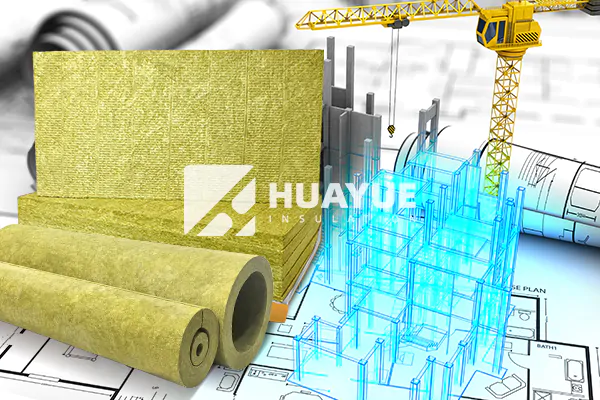
Rock wool insulation comes in boards, blankets, and pipe sections with densities from 40 to 200 kg/m³. Its R-value per inch is around 3.36 to 4.2, making it ideal for high-performance insulation needs.
Knowing exactly what makes rock wool stand out keeps me reading. Every spec can make a big difference on your project—so let’s dive deeper.
What is the R-value for rock wool insulation?
Many ask about real insulation performance when choosing materials. I learned long ago that R-value measures how well insulation resists heat flow.
Rock wool insulation provides an R-value of about 3.36 to 4.2 per inch. This helps maintain temperature stability and keeps energy costs lower.
If I want an insulation that resists both heat loss and fire, I look for something rated Euroclass A1 (EN 13501-1) just like HUAYUE’s rock wool. R-value isn’t the only measure to check. I always compare thickness, density, and fire ratings to match my climate and building plan. Two inches of rock wool deliver up to R-8.4, enough for many wall and roof assemblies. For colder zones, thicker layers increase performance. The denser the product, the better its thermal performance and sound absorption. I use a table like the one below to compare:
| Product Type | Density Range (kg/m³) | Fire Classification | Thermal Conductivity (W/m·K) | R-value per Inch |
|---|---|---|---|---|
| Rock Wool Board | 40 – 200 | Euroclass A1 | 0.033 – 0.036 | 3.36 – 4.2 |
| Rock Wool Blanket | 50 – 140 | Euroclass A1 | 0.033 – 0.036 | 3.36 – 4.2 |
| Rock Wool Pipe | 80 – 160 | Euroclass A1 | 0.033 – 0.036 | 3.36 – 4.2 |
Fire resistance is vital for industrial customers. ASTM E84 shows rock wool has a flame spread index of 0. It does not contribute to smoke development in a fire. Rock wool works well in places where both temperature and safety count.
How thick is R-23 rock wool?
Some projects require a targeted R-value and need to match wall depths or design requirements. I often field questions on insulation thickness for specific ratings.
To reach R-23, rock wool insulation should be installed at around 5.5 to 6.75 inches thick.
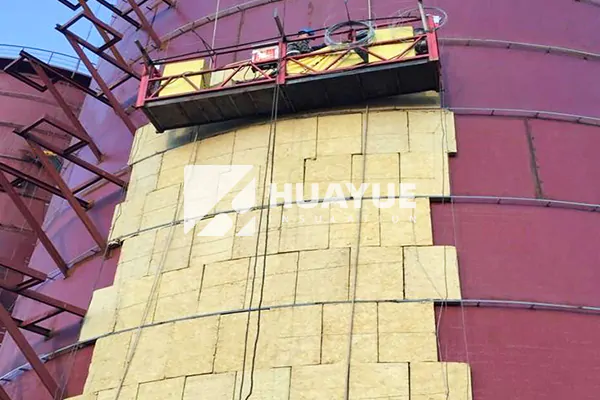
If I need to upgrade tank insulation or retrofit a wall, I check manufacturer specs for exact thickness. Most standard rock wool batts for R-23 are about 5.5 inches thick, which fits perfectly in modern 2×6 wall assemblies. For premium results, the denser varieties deliver higher R-values in thinner packages. But installing thicker insulation can mean more cost, and requires careful fitting to avoid gaps. I always consider both material and labor costs. Rock wool installation is straightforward compared to rigid foams or blown-in alternatives. Cutting the batts to size and compressing slightly ensures no cold spots. I also monitor the edge sealing for vapor control. This leads to long-lasting performance with fewer callbacks.
What are the disadvantages of rock wool insulation?
Every insulation has trade-offs. I ask about weaknesses as often as strengths to make good choices. Rock wool is top-tier but not perfect.
Rock wool insulation can be heavier and more costly than alternatives, and may require special handling due to its fibrous texture.
I have learned that rock wool fibers can cause itching if handled without gloves or protective clothing. This can slow installation work and limit where the product is used. The material is more expensive than fiberglass and does not compress as easily, limiting its use in retrofit spaces with irregular cavities. Some users report extra dust during installation. It’s heavier, so transport and storage need good planning. Its density can make cutting tougher for large jobs, though industrial customers may use precision tools. Even with these trade-offs, I choose rock wool for its unmatched fire and sound resistance. For critical jobs, the pros often outweigh the cons. I weigh my priorities and choose based on what matters most for my project. Here’s a comparison:
| Disadvantage | Rock Wool | Fiberglass | Foam Board |
|---|---|---|---|
| Weight | Heavier | Lighter | Variable |
| Cost | Higher | Lower | Higher |
| Handling | Needs care | Easy | Easy |
| Cutting/Installation | Harder | Easier | Needs precision |
| Health Precautions | Yes | Yes | Yes |
| Compressibility | Low | High | Low |
What is the R-value of rock wool for a 2×6 wall?
Matching insulation to wall framing can make or break your building’s performance. I always check the right size for the optimal R-value.
In a standard 2×6 wall, rock wool insulation delivers an R-value of about R-23 when installed at approximately 5.5 inches thick.
This fits perfectly with today’s energy codes and industrial standards. Most commercial and residential 2×6 walls use batts that reach R-23, maximizing thermal performance while keeping wall depth reasonable. I double-check the density to improve acoustics and fire safety. I have found that using denser batts in the same space gives extra benefits, including higher sound absorption and lower energy use. On projects with stricter codes or climate needs, it’s easy to increase thickness and density for even better results. I mix this data with local regulations and job-specific requirements so I always meet or exceed expectations. Practical testing has shown the importance of proper installation—well-fitted batts, careful sealing, and complete coverage keep the whole wall working at its peak.
HUAYUE rock wool specs
When I look for world-class insulation, manufacturer specs mean more than marketing claims. HUAYUE’s full range of rock wool products delivers premium results across multiple applications.
HUAYUE rock wool comes as boards, blankets, and pipes, with densities from 40 to 200 kg/m³ and fire ratings of Euroclass A1. Its low thermal conductivity (0.033 – 0.036 W/m·K) ensures high energy savings.
HUAYUE’s rock wool stands out in large-scale projects for its stable performance and great fire resistance. Every product is certified Euroclass A1, so it will not burn or smoke. It’s listed under ASTM E84 with zero flame spread and smoke index, meaning better safety for tanks, industrial walls, or commercial roofs. Densities from 40 to 200 kg/m³ fit most industrial and commercial specs. For customer Hans Müller and other industrial engineers, these specs give peace of mind. Tanks insulated with HUAYUE rock wool stay cooler, have fewer CUI problems, and need less maintenance. Boards fit flat surfaces, blankets wrap curved tanks and pipes, while pipe sections fit directly onto process lines. Storage and logistics are simple because the products are compact and durable. The specs make it clear—HUAYUE rock wool is built for demanding jobs where reliability is critical.
Conclusion
Rock wool insulation delivers fire safety, high R-values, and flexible specs for modern walls and tanks. HUAYUE’s products ensure reliable performance for all critical applications.
You may also be interested in:
Ready to Get Started?
Get in touch with our experts for personalized solutions tailored to your needs.
Get Free QuoteLatest Articles



Should B2B Buyers Choose Mineral Wool Insulation?
Mar 31, 2026
Let's Work Together
Ready to take your business to the next level? Get in touch with our team of experts and let's discuss how we can help you achieve your goals.
Get Free Solutions