








What are the key advantages of buying rock wool in bulk for your project needs?
If you are planning a project where fire safety, energy savings, or long life matter, using rock wool in bulk can solve many issues from cost to continuity.
Bulk rock wool purchases ensure consistent product quality, easier logistics, and reduced costs for large commercial, residential, or industrial insulation projects. High-volume sourcing makes onboarding and maintenance smoother for project managers.
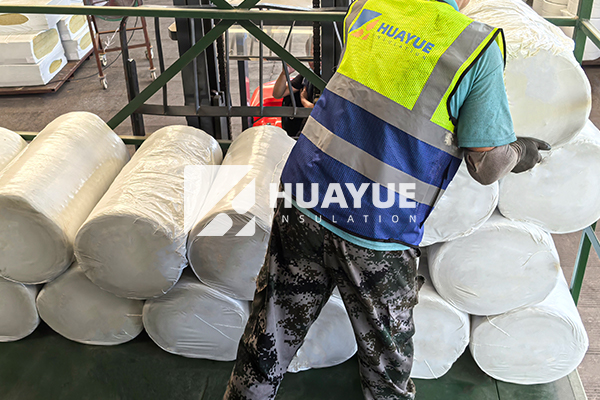
When you need to keep costs down and project schedules tight, getting high-quality rock wool in bulk is smart. Bulk solutions mean enough material at hand and a single reliable supplier. It is easier to manage logistics, and you often benefit from better pricing and stable supply. You can achieve consistent insulation performance across large construction sites. From my own experience working with commercial customers, they appreciate that bulk rock wool comes with global standards, steady delivery, and solutions tailored to their unique job sites. Let’s go deeper into some essential questions about wholesale bulk rock wool.
Wholesale Bulk Rock Wool Fireproof & Custom: What should you expect when ordering?
Rock wool is often chosen for fireproofing and energy-saving because it does not burn, remains stable under extreme heat, and is customizable for thickness, density, and shape.
Purchasing wholesale bulk rock wool allows for fire safety compliance, customization to different applications, and access to engineered formats. This makes it easier to fit unique building or industrial specifications.
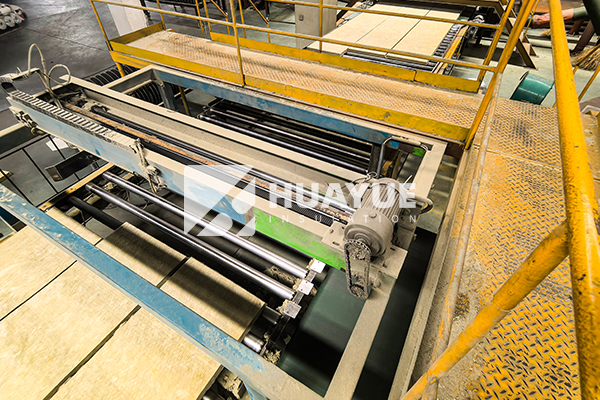
Rock wool is the answer for many demanding jobs. Projects such as high-rise offices, chemical plants, and multifamily housing want materials that do not just insulate but offer real peace of mind in fire protection. Rock wool is made by melting natural minerals into fibers, so the resulting product does not ignite, spread flames, or release toxic gases. Being able to buy rock wool in bulk and in custom forms, such as slabs, loose fill, or pipe sections, means that every part of a building or tank can get precise coverage. For example, some clients need slabs with extra thickness for acoustic benefits, others want densities engineered to resist high wind. Ordering in bulk from an experienced manufacturer allows architects and engineers to request tailored products right from the factory, so everything fits perfectly and performs as needed.
| Feature | Description | Benefit |
|---|---|---|
| Fireproof | Non-combustible, up to 1000°C | Ideal for fire safety, insurance saving |
| Custom Size | From boards to pipe wrap, by thickness/density | Best fit for each insulation need |
| Wholesale | Direct from manufacturer, large volume logistics | Trusted supply, better project control |
| Multi-use | Suits walls, roofs, tanks, pipes, ducts | Flexible for all building types |
How long does ROCK WOOL last? Is it a long-term choice?
Rock wool insulation can last for several decades without losing its performance. Properly installed, it resists wear, moisture, and chemicals, offering protection for 30 years or more.
With minimal degradation, long-lasting rock wool ensures lower maintenance and more predictable performance over time, reducing long-term project risks compared to other insulations.
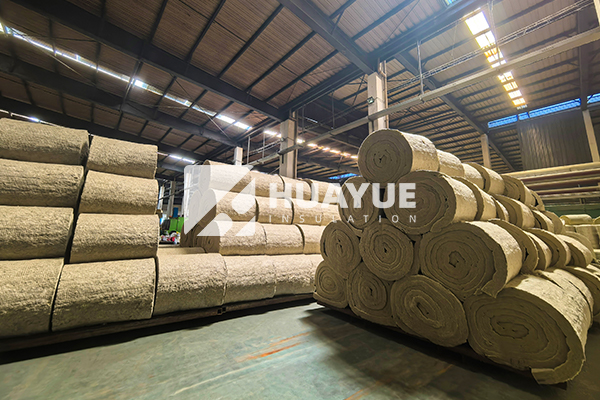
The service life of rock wool is critical. Most clients, especially from industries like chemical or oil storage, want insulation that stays strong for the lifetime of their tanks, pipes, or plant buildings. Rock wool achieves this through its natural mineral content, which is resistant to corrosion, mold, and pests. The material does not rot or compress easily. In my own experience, inspections after ten years or more show that well-installed rock wool maintains its thickness, fireproofing, acoustic, and energy-saving capabilities. This translates into fewer shut-downs for retrofitting and lower total cost of ownership. Many manufacturers offer 10–25 year warranties because the material’s quality can be relied upon for so long. If you plan for longevity, bulk rock wool is always on the list for low-maintenance, stable solutions.
| Attribute | Impact |
|---|---|
| Expected lifetime | 30+ years |
| Maintenance needs | Very low, routine checks suffice |
| Stability | No sagging, compressing, or rotting |
| Warranty options | 10–25 years, depending on supplier |
Do roots grow through ROCK WOOL? Can it be used in horticulture?
In professional horticulture, rock wool is used as a growing medium. Plant roots colonize the fibers but do not penetrate through, and the structure supports water and nutrient management.
Rock wool is commonly used in hydroponics and soil-less cultures. It promotes healthy root growth within its structure, supporting stable plant development, especially in greenhouses.
Rock wool’s unique structure makes it interesting for another industry: horticulture. When gardeners use rock wool cubes for starting seeds or growing plants hydroponically, roots do not punch through the mineral fibers. Instead, the roots form a dense, healthy mat inside each cube or slab, supported by good moisture and air retention. The inert nature of rock wool means it does not react with fertilizers or harm roots. Commercial greenhouses appreciate bulk orders of rock wool in tailored formats — cubes, plugs, slabs — because the material keeps growing conditions uniform and is easy to handle at harvest. If you want maximum root performance with minimal disease risk, bulk rock wool is one of the best sterile, customizable choices on the market.
| Application | Benefit |
|---|---|
| Seed starting | Uniform root mats, no fiber penetration |
| Hydroponics | Balances water and air, inert medium |
| Commercial bulk | Custom cubes/slabs, cost-effective volume |
Does ROCK WOOL keep mice out? Can it help solve pest problems?
Rock wool’s mineral composition and dense fiber matrix make it unattractive to mice and other rodents, meaning they usually do not nest or tunnel through it.
Installing rock wool helps prevent rodent intrusion and can support pest-free environments in buildings and tanks, adding another layer of protection beyond insulation.
Pest control often clicks with insulation upgrades. If your building, warehouse, or tank farm faces rodent problems, it’s smart to choose rock wool. The sharp, dense mineral fibers are not edible or comfortable for mice to burrow into. Unlike organic insulations like cellulose or foam, rodents avoid nesting in rock wool. I have seen construction teams switch from other insulations after finding rodent damage, only to be satisfied when rock wool stands up to local pests. For chemical facilities handling sensitive materials, keeping mice out is crucial. Adding rock wool bulk insulation is a practical way to reduce rodent maintenance and protect valuable infrastructure.
| Pest Resistance | Details |
|---|---|
| Rodents | Do not eat, nest, or burrow in rock wool |
| Insects | Rock wool does not attract bugs |
| Hygiene | Helps keep insulation layer clean |
Conclusion
Bulk rock wool is a safe, customized, and long-lasting solution for fireproofing, horticulture, and pest control in all project sizes.
You may also be interested in:

Ready to Get Started?
Get in touch with our experts for personalized solutions tailored to your needs.
Get Free QuoteLatest Articles


Should B2B Buyers Choose Mineral Wool Insulation?
Mar 31, 2026
Is Rock Wool a Good Choice for Acoustic Insulation?
Mar 30, 2026
Rockwool Insulation for Roof: Best Practices (2026)
Mar 27, 2026
Let's Work Together
Ready to take your business to the next level? Get in touch with our team of experts and let's discuss how we can help you achieve your goals.
Get Free Solutions