








What are the key advantages and disadvantages of rock wool sheets?
Rock wool sheets are now the go-to insulation for many industries, but knowing their real strengths and weaknesses saves you from expensive mistakes.
Rock wool sheets protect tanks, walls, and ceilings from heat loss and sound. They resist fire, absorb noise, and hold their shape in tough conditions. Their main weakness is that they can irritate your skin and need careful handling.
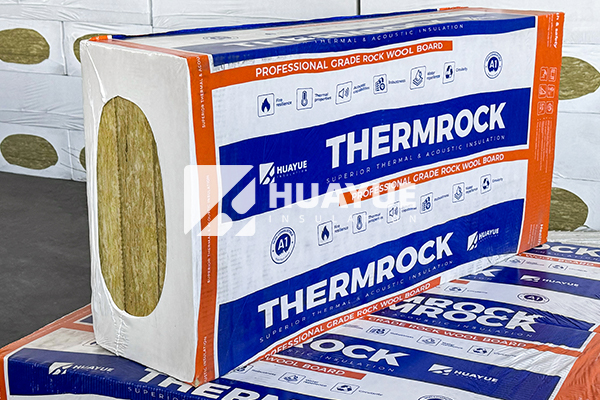
Choosing insulation is never just about price or specs. You have to think about safety, durability, and what fits your project. I learned early on that every job needs a different answer, and it pays off to look for the right solution, not just a quick fix.
What is the downside of ROCKWOOL?
Many people hear about ROCKWOOL’s fire resistance and thermal performance, but most don’t know about the risks and annoyances it brings.
ROCKWOOL can be dusty and cause skin, eye, and respiratory irritation during installation. Its mineral fibers get loose when cut or moved, so you must wear protective gear. It is not water-resistant unless you choose specialty types, and it can absorb moisture over time if not fully sealed.
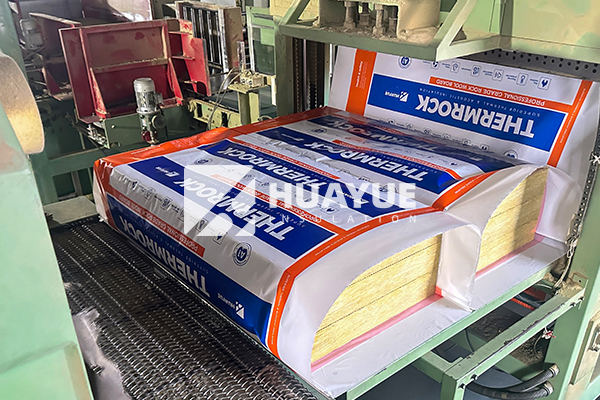
I remember walking into a job site for the first time where they were cutting rock wool sheets to size. The air turned cloudy with tiny fibers floating everywhere. I felt my skin start to itch even though I had gloves on. This happens to many installers when they work with regular mineral wool insulation. Below is a breakdown of typical downsides:
| Downside | Description | How to Reduce It |
|---|---|---|
| Skin/Eye/Respiratory Irritation | Fibers can cause itching or coughing; accidental contact is common | Use gloves, masks, and goggles |
| Dust Generation | Cutting sheets produces dust that lingers in the air | Wet cutting and good ventilation |
| Water Absorption | Standard ROCKWOOL may soak up moisture and lose insulating ability | Use hydrophobic or coated types |
| Installation Complexity | Handling large, heavy sheets needs two people and planning | Size sheets to project needs |
| Cost | Sometimes more expensive than traditional fiberglass or foam insulation | Compare full lifecycle value |
If you are in charge of large tanks or chemical processing, you need insulation that lasts. At HUAYUE, we can customize rock wool sheet sizes like 1.2m × 0.6m, 1.2m × 1.2m, or up to 2.4m × 1.2m. Special thickness and other shapes are available upon request. If you order enough, we help you get the best customization for your project.
What is ROCKWOOL used for?
ROCKWOOL sheets serve as protection against both heat loss and noise, showing up in factories, homes, and commercial spaces more than ever.
ROCKWOOL is used for insulating tanks, industrial equipment, walls, ceilings, and roofs. It provides fireproofing, thermal insulation, and sound absorption in buildings and factories.
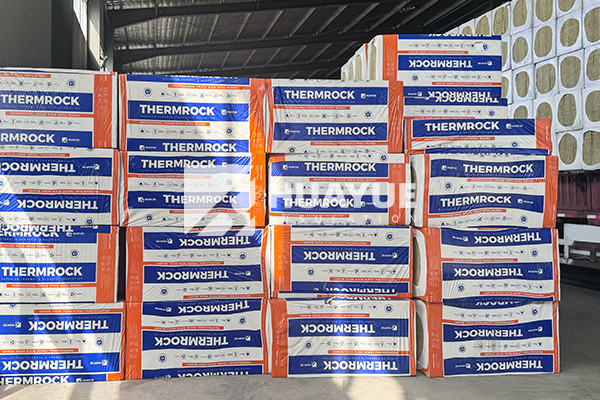
I work with customers who need tank insulation for chemicals, cold storage, or high-temperature processes. The material’s ability to resist extreme heat and not burn is one reason it is used in everything from oil refineries to apartment walls. Below is how ROCKWOOL is used across markets:
| Application | Key Benefit | Example Use |
|---|---|---|
| Industrial Tanks | Fire, heat, and sound control | Cryogenic tanks, chemical tanks |
| Building Insulation | Thermal and fire resistance | Exterior walls, ceilings |
| Soundproofing | Absorbs noise | Studios, offices |
| Fireproof Barriers | Stops flames | Shaft walls, fire doors |
| HVAC Ducts | Reduces energy loss | Ventilation systems |
If you operate in chemical plants, real estate, or manufacturing, you can order ROCKWOOL sheets in special sizes like 0.3m, 0.4m, or 0.5m wide. Our factory offers standard thickness from 40mm to 150mm, but we welcome requests for custom sizes, too. Minimum orders unlock exclusive shapes and features.
Can I touch ROCKWOOL with bare hands?
ROCKWOOL’s texture looks soft, but direct contact often leads to irritation that most people don’t expect.
It is not safe to handle ROCKWOOL bare-handed. The mineral fibers can stick to your skin and cause itching, rashes, or even small cuts. Always use gloves and consider wearing long sleeves during installation.
I once tried grabbing a sample off the shelf when a customer asked about the feel of our rock wool sheets. Within seconds, I had to wash my hands and arms due to itching. The fibers are fine and sharp, and after a few minutes, they start to irritate any exposed skin. That is why safety equipment—like gloves, masks, and coveralls—is a must when handling rock wool, whether for installation or inspection.
| Handling Practice | What Happens | Best Practice |
|---|---|---|
| Bare hands | Itching, rashes, and possible cuts | Wear gloves |
| No respiratory protection | Sneezing, coughing, possible lung irritation | Use dust mask |
| Bare arms | Redness, skin irritation | Wear long sleeves |
| No eye protection | Fiber entry, irritation | Use goggles |
For those new to industrial insulation, the first lesson is simple: protect yourself during every step, whether unloading, cutting, or installing rock wool sheets.
Does ROCKWOOL keep mice away?
Many people think ROCKWOOL sheets can solve all pest problems, but the truth is more mixed.
ROCKWOOL does not attract mice and offers no food or nesting material for them. Its fibers are unpleasant for mice to chew, so infestations are rare, but it is not a guaranteed rodent shield.
Some customers ask if installing rock wool will finally solve rodent problems around tanks and storage areas. From my experience, mice usually avoid mineral wool because it’s uncomfortable to gnaw or nest inside. It has no nutrients, so mice don’t eat it. Still, if rodents are already present, they can burrow beside or underneath large sheets if there are gaps or entry points.
| ROCKWOOL & Rodents | Description | Pest Control Tip |
|---|---|---|
| Not Attractive to Mice | No food or comfort for nesting | Seal entry points |
| Not Chewed Easily | Fibers are unpleasant and tough | Use dense, thick boards |
| No Chemical Repellents | Pure mineral wool has no repellents | Pair with traps/barriers |
| Potential Entry Points | Edges and seams may be burrowed beside | Proper sealing needed |
For sites with recurring rodent issues, pairing rock wool sheets with steel mesh or professional pest control keeps tanks and buildings safe for the long haul.
Conclusion
Rock wool sheets have strong fire, heat, and sound performance but need careful handling. You must choose the right product and safety measures for lasting results.
You may also be interested in:


Ready to Get Started?
Get in touch with our experts for personalized solutions tailored to your needs.
Get Free QuoteLatest Articles



Should B2B Buyers Choose Mineral Wool Insulation?
Mar 31, 2026
Is Rock Wool a Good Choice for Acoustic Insulation?
Mar 30, 2026
Rockwool Insulation for Roof: Best Practices (2026)
Mar 27, 2026
Let's Work Together
Ready to take your business to the next level? Get in touch with our team of experts and let's discuss how we can help you achieve your goals.
Get Free Solutions