








What Are the Different Types of Rock Wool and How Do They Compare?
Rock wool’s many types can confuse buyers, but picking the right one changes everything—for safety, savings, and performance.
The main types of rock wool include board, blanket, pipe, loose fill, and wired mats. Each type fits a specific need, such as tank walls, piping, or industrial furnaces. Selecting the correct one ensures the best results for different applications.
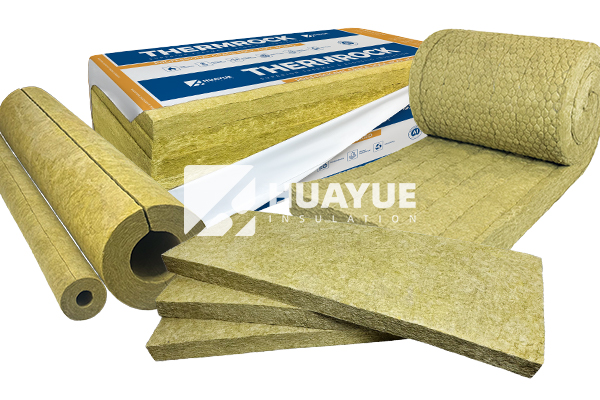
Rock wool is a staple thermal insulation material. But the differences between its forms and uses matter a lot for industrial and building projects. I’ll explain each type and where they fit best, so you can avoid mistakes and deliver results.
What Are the Main Forms of Rock Wool Insulation?
The variety of rock wool insulation can be overwhelming for many plant operators and engineers.
Rock wool comes in board, blanket, pipe, loose fill, and wired mat forms. Boards and blankets suit flat surfaces or tanks. Pipe forms fit curved tank walls and pipes. Loose fill and wired mats are for special needs like uneven spaces or very high temperatures.
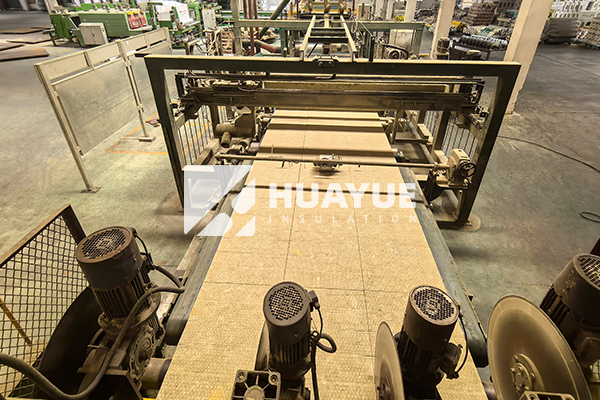
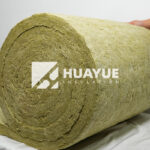
Boards are rigid panels with high compressive strength. They work well for the walls of tanks, ducts, and building envelopes. Blankets are flexible rolls, easy to cut and wrap around gentle curves or complex shapes. Pipe insulation is pre-formed and split so it fits tightly around industrial piping. Loose fill is useful inside cavities where access is hard. Wired mats have a wire mesh embedded; they hold shape even at high heat—perfect for furnaces, boilers, and irregular tank bases. In practice, I once chose wired mats for a tank base that saw daily temperature swings. The wire mesh stopped slumping and kept the insulation value steady. Each form serves a role based on surface, shape, and temperature. Here’s a simple comparison:
| Type | Main Use | Form | Features |
|---|---|---|---|
| Board | Walls, ducts, tanks | Rigid panel | High strength, easy install |
| Blanket | Large surfaces, curves | Flexible roll | Easy wrap, cuts to size |
| Pipe | Pipes, curved tanks | Split shell | Tight fit, quick install |
| Loose Fill | Cavities, hard to reach | Loose fibers | Fills gaps, insulates well |
| Wired Mat | High temp, odd shapes | Wire mesh | Holds at heat, tough |
How Does Rock Wool Density Affect Performance?
Many customers do not realize how much rock wool density changes its abilities.
High-density rock wool gives better mechanical strength and fire resistance, but is heavier and can cost more. Low density is lighter and cheaper, but insulates less and can compress over time.
Rock wool density ranges from about 40 kg/m³ up to 200 kg/m³. Low-density batts and blankets compress easily so they’re best for walls or ceilings where pressure is low. Medium-density boards offer a balance between cost, performance, and durability for most tanks and building applications. High-density is needed for the fire barrier near furnaces, thermal storage tanks, or for sound insulation in heavy machinery rooms. On a job with heavy vibration, I used high-density boards because regular batts sagged after a year. Balancing density and cost is key—don’t just pick the cheapest or highest. Check your needed strength, temperature limits, and support spacing. This table makes it clear:
| Density (kg/m³) | Best For | Cost | Fire/Pressure Resistance |
|---|---|---|---|
| 40-70 | Ceilings, light walls | Low | Low |
| 80-120 | Tanks, pipes, roofs | Medium | Medium |
| 130-200 | Firewalls, heavy-duty | High | High |
Which Rock Wool Types Are Suitable for Industrial Tanks?
Industrial tanks have special insulation requirements that not all rock wool types can meet.
For industrial tanks, wired mats, high-density boards, and pipe sections are best. Wired mats suit tank bases and hot spots. Pipe sections fit curved walls and piping. High-density boards are for straight walls.
Industrial tanks handle everything from cryogenic gases to hot chemicals. The insulation must resist fire, water, pressure, and chemical exposure. In my experience, wired mats usually line the base and irregular shapes, thanks to their flexibility and ability to hold structure when facing heat or moisture. Pipe sections provide a guaranteed fit for utility lines running alongside tanks—no drafts, no leaks. High-density boards cover the bulk horizontal and vertical surfaces. Sometimes, engineers combine multiple types for a layered system: board for strength, blanket for coverage, wired mat for stress points. Consider chemical compatibility as well. Rock wool resists most acids and alkalis, but always check your tank’s contents. The following table gives an overview:
| Tank Area | Type Used | Why Best Fit |
|---|---|---|
| Side Walls | High-density board | Strength, long-term insulation |
| Curves/Pipes | Pipe sections | Snug fit, easy to install |
| Tank Base/Hot Spot | Wired mats | Stay in place, handle temperature |
What is the Difference Between Rock Wool Wired Mats and Blankets?
People often confuse wired mats and blankets, but their structure and purpose are different.
Wired mats have a wire mesh for support and heat resistance. Blankets are without mesh, for straightforward, flat or gently curved surfaces.
Wired mats are made by stitching galvanised or stainless steel wire mesh to one or both sides of the rock wool blanket. This reinforcement keeps the mat together under high temperatures or constant mechanical vibration—such as near industrial furnaces or heated tanks. Blankets are simple, flexible layers. They insulate well on tanks and ducts, but will sag or tear under stress. In re-lining a steam tank, I used wired mats only at the base where weight was highest, and blankets everywhere else. This hybrid setup balanced cost, labor, and performance. Choose wired mats for strength and heat, blankets for coverage and curves.
| Feature | Wired Mat | Blanket |
|---|---|---|
| Structure | Mesh Reinforced | Pure Rock Wool |
| Temperature | Very High | Medium/High |
| Flexibility | Less, but holds shape | Very High |
| Usual Use | Base, stress points | Walls, coverage |
How Do I Choose the Right Rock Wool Type for My Project?
Choosing the right rock wool type takes more than just picking what’s in stock.
See where it will be used, what temperature it will face, and how easy installation needs to be. Match density, format, and any needed reinforcement.
Start by drawing a map of your tank’s insulation needs: flat walls, curves, pipes, bases. Note the hottest or wettest parts—these need more support. Next, set your target temperature and pressure. Pick high-density for stress zones, lower density for coverage. Wired mesh for heat. Pipe section for pipes. The key is not over- or under-specifying. I learned this after underinsulating a tank base and paying double for repairs. Ask suppliers for data on load, absorption, and fire ratings. Get samples if you can; fit and feel matter. Also, check local fire codes and maintenance plans—rock wool types have to match your plant’s long-term needs as well as your budget.
| Step | What to Consider | Common Mistake |
|---|---|---|
| Surface Shape | Board for flat, pipe for round | Wrong format used |
| Temperature Range | High density for heat | Blanket too near furnace |
| Installation Method | Ease or expert needed | Wrong skill match |
| Long-term Use | Durability, sag, fire | Short-term choice only |
Conclusion
Choosing the right rock wool type means understanding surface, temperature, and strength. A proper match gives safety, efficiency, and long-term value.
You may also be interested in:


Ready to Get Started?
Get in touch with our experts for personalized solutions tailored to your needs.
Get Free QuoteLatest Articles



Should B2B Buyers Choose Mineral Wool Insulation?
Mar 31, 2026

Is Rock Wool a Good Choice for Acoustic Insulation?
Mar 30, 2026
Rockwool Insulation for Roof: Best Practices (2026)
Mar 27, 2026
Let's Work Together
Ready to take your business to the next level? Get in touch with our team of experts and let's discuss how we can help you achieve your goals.
Get Free Solutions