






What are glass wool batts and how do they compare to other insulation materials?
Sometimes choosing the right insulation feels overwhelming. There are so many materials to consider and each has its own strengths and weaknesses.
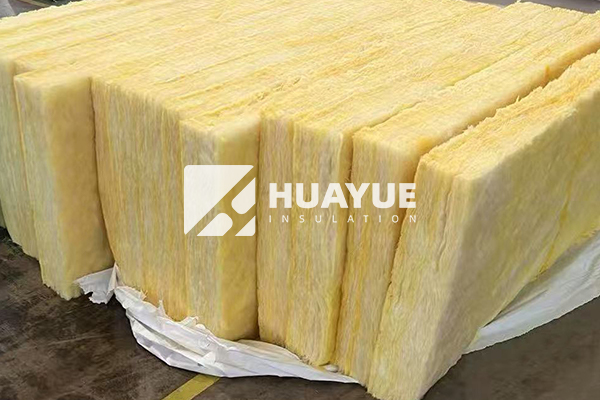
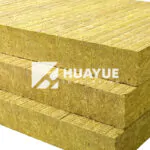
Glass wool batts are pre-cut panels made from fine glass fibers. These batts provide excellent thermal and acoustic insulation for walls, ceilings, and roofs. They are lightweight, easy to install, fire resistant, and non-combustible.
In my experience, the decision often comes down to more than just price. Durability, safety, and long-term performance all play a role when planning insulation for residential or industrial projects. For people like me, who manage large facilities or build new ones, knowing what glass wool batts can offer helps me make practical choices.
What are glass wool batts?
Many insulation products promise to keep buildings warm and quiet. Finding what really works takes some digging.
Glass wool batts are rectangular panels formed from fine glass fibers. They trap air inside their structure. This slows heat transfer and reduces noise. Most glass wool batts come with a vapor barrier or protective facing, which makes them suitable for wall cavities, attics, and roof insulation.
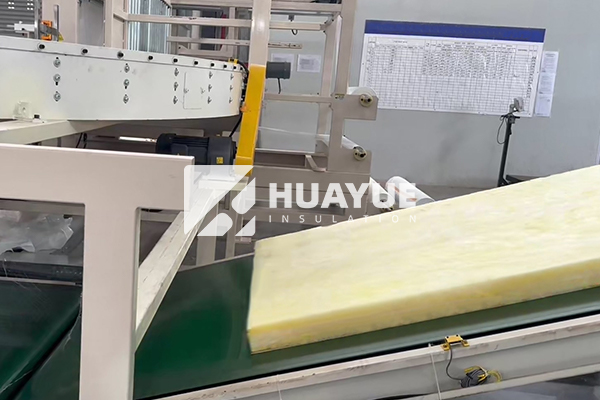
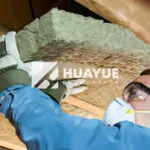
Most glass wool batts are made by heating glass, spinning it into fibers, and then bounding those fibers together. Some have added binders or surface coverings for better handling and performance. These batts come in different thicknesses and densities depending on the application. For example, denser batts work for industrial uses, while lighter ones suit home installations. Glass wool’s structure lets it trap tiny pockets of air, which provides its insulating properties. The batt format means that installation is usually straightforward. You simply cut and fit the panels to size. This makes glass wool batts a common choice for both new buildings and retrofits.
Here is a quick comparison between types of insulation batts:
| Insulation Type | Material | Typical Application | Fire Resistance | Sound Absorption | Density Options |
|---|---|---|---|---|---|
| Glass Wool Batts | Glass Fibers | Walls, Ceilings, Roofs | High | Good | Multiple |
| Rock Wool Batts | Stone Fibers | Industrial, Marine | Very High | Very Good | Multiple |
| Foam Batts | Polymer | Specialized Situations | Low | Poor | Limited |
Is glass wool insulation good?
Most people want insulation that does what it promises. They want rooms warmer in winter, cooler in summer, and quieter all year round.
Glass wool insulation is effective and dependable. It slows heat transfer in buildings and offers good soundproofing. It is fire resistant and meets most safety codes. It does not support mold or pests.
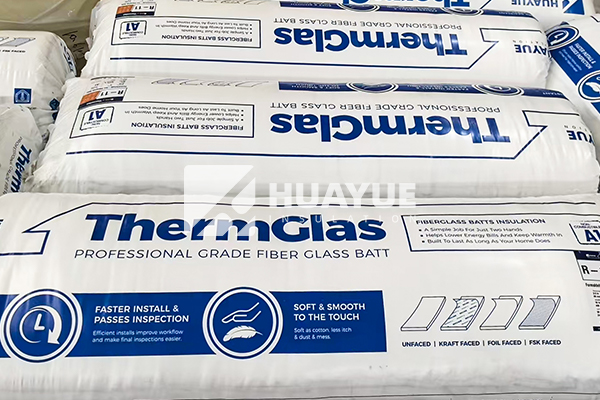
I have seen how glass wool keeps temperature steady in homes and large chemical tanks. It works both in hot and cold climates. It performs well for decades when installed correctly. Glass wool’s fire resistance gives peace of mind, especially for industrial uses where safety is key. Some people are sensitive to glass fibers, but proper handling and installation limits exposure. Glass wool is also a sustainable choice since it often incorporates recycled glass. Waste is low, and the product itself can be recycled at the end of its life. This matters to those of us responsible for workplace safety and environmental compliance.
Which is better, rock wool or glass wool?
Many engineers debate whether rock wool or glass wool meets their specific needs. Both have loyal supporters with strong opinions.
Rock wool and glass wool both provide thermal and acoustic insulation. Rock wool offers higher fire resistance and greater moisture tolerance. Glass wool is lighter, easier to handle, and often less expensive.
Rock wool is made from basalt or slag, spun into fibers similar to glass wool. It handles higher temperatures and resists water absorption. This makes rock wool ideal for some industrial tanks, steam pipes, and marine environments. However, glass wool suits most building needs because of its weight and ease of installation. Glass wool also performs well in standard fire tests, though not at extreme temperatures. Each material has pros and cons. Glass wool fits better where budget is tight and installation needs speed, such as in homes or commercial buildings. Rock wool is chosen when safety is the top priority or for environments exposed to weather or chemicals.
Here is a simple comparison table:
| Feature | Glass Wool | Rock Wool |
|---|---|---|
| Weight | Lighter | Heavier |
| Installation | Easier | More labor-intensive |
| Cost | Lower | Higher |
| Fire Rating | Good | Excellent |
| Moisture | Moderate Resistance | High Resistance |
How long does glass wool insulation last?
Longevity is important. Customers want materials that work year after year, not just in the first season.
Glass wool insulation lasts for more than 30 years when properly installed. It does not sag, rot, or decay. Many manufacturers offer decades-long warranties.
Over the years, I have seen glass wool maintain its performance without shrinking or settling. In clean, dry conditions, the fibers stay in place and the insulation properties remain constant. Moisture and physical damage can reduce its life, but good installation prevents these issues. Insulation hidden behind walls is often left untouched for decades. Glass wool does not attract rodents or insects, and its fire resistance safeguards against accidental damage. Regular inspections and repairs extend its life even further. Building codes in many countries now demand materials like glass wool for their long-term benefits and proven reliability.
Conclusion
Glass wool batts offer reliable insulation, fire safety, ease of installation, and a long lifespan for homes and industrial projects.
You may also be interested in:
Ready to Get Started?
Get in touch with our experts for personalized solutions tailored to your needs.
Get Free QuoteLatest Articles



Let's Work Together
Ready to take your business to the next level? Get in touch with our team of experts and let's discuss how we can help you achieve your goals.
Get Free Solutions