





Unfaced Mineral Wool Insulation: Pros, Cons & Best Uses
I have helped thousands of customers choose the right insulation for their projects. Unfaced mineral wool offers unique benefits that many buyers overlook. Let me share what I have learned from decades in this industry.
Unfaced mineral wool insulation is insulation without a vapor barrier or facing layer. It allows moisture to escape, making it ideal for interior walls, floors, and ceilings where breathability matters.
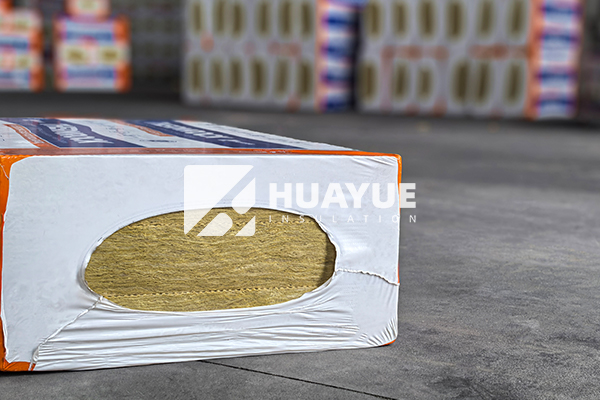
Choosing the right type of insulation affects your building’s performance for decades. I want to help you understand why unfaced mineral wool might be the perfect choice for your next project. The decision between faced and unfaced options impacts energy efficiency, moisture management, and long-term durability.
What is the difference between faced and unfaced mineral wool insulation?
I explain this difference to customers every week. The choice between faced and unfaced affects how your building handles moisture. Understanding this distinction prevents costly mistakes.
Faced mineral wool has a vapor barrier attached, while unfaced mineral wool has no covering. Faced versions prevent moisture movement, while unfaced versions allow walls to breathe and dry out.
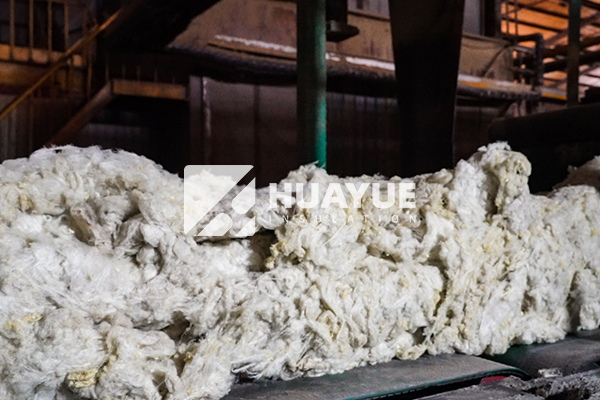
I have worked with both types for nearly 30 years. Each serves specific purposes in construction. The main difference lies in moisture control and application areas.
| Feature | Faced Mineral Wool | Unfaced Mineral Wool |
|---|---|---|
| Vapor Barrier | Attached foil or paper | No barrier |
| Moisture Control | Blocks moisture vapor | Allows breathability |
| Common Uses | Exterior walls, roofs | Interior walls, floors |
| Installation | Requires careful sealing | More forgiving |
| Cost | Higher due to facing | Generally lower |
Faced mineral wool includes a layer of foil, paper, or plastic. This layer stops water vapor from passing through. I recommend faced insulation for exterior walls in cold climates. It prevents warm, moist indoor air from entering the wall cavity. When this moisture meets cold wall surfaces, it condenses and causes damage.
Unfaced mineral wool has no facing at all. The fibers are exposed on both sides. This design allows air and moisture to move through the material. I often suggest unfaced insulation for interior applications. It works well between floors and in ceiling cavities. The breathability prevents moisture buildup inside wall cavities.
The R-value remains similar between both types. The facing does not add thermal performance. It only manages moisture movement. My customers often choose unfaced for cost savings. They also prefer it when interior walls need to dry outward.
What are the disadvantages of mineral wool insulation?
I always tell my customers the truth about any product. Mineral wool has some drawbacks worth knowing. These issues matter more for certain applications.
Disadvantages include higher cost than fiberglass, heavier weight, potential skin irritation during installation, and dust creation. These factors require consideration during project planning.
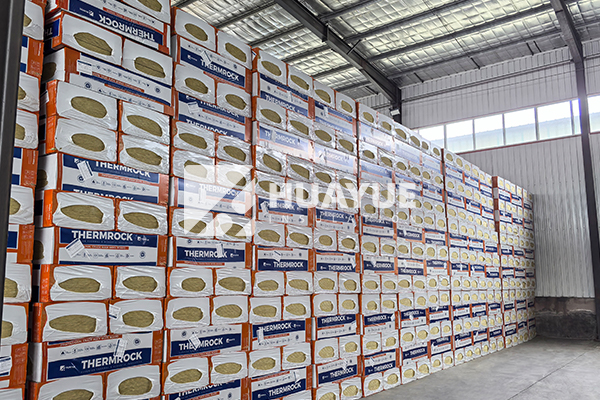
I have installed mineral wool in thousands of buildings. I know the challenges firsthand. Understanding these disadvantages helps you plan properly.
| Disadvantage | Impact | Solution |
|---|---|---|
| Higher Cost | More expensive than fiberglass | Long-term energy savings offset initial cost |
| Weight | Heavier material requires more support | Use appropriate structural support |
| Skin Irritation | Fibers cause itching and discomfort | Wear protective clothing, gloves, and eye protection |
| Dust | Particles can irritate lungs | Use dust masks during installation |
| Moisture Sensitivity | Can lose effectiveness when wet | Keep dry during storage and installation |
The cost concerns are valid. Mineral wool typically costs 20-40% more than fiberglass. I explain to customers that this price reflects superior quality. The thermal performance lasts longer. You replace it less often. Energy savings accumulate over years.
The weight issue surprises some buyers. Mineral wool is denser than fiberglass. This density contributes to performance but strains structures. I always check load calculations before recommending installation. Some walls need additional support.
Skin irritation affects nearly everyone who handles mineral wool. The fibers are sharp and itchy. I never install it without full protective gear. Long sleeves, gloves, and eye protection are essential. A dust mask prevents respiratory issues. These precautions make installation comfortable.
Dust creation continues after installation occasionally. Small fibers can become airborne during disturbing. I recommend leaving the insulation undisturbed. Proper installation minimizes this issue. HVAC systems should include good filtration.
Does mineral wool insulation require a vapor barrier?
This question comes up in nearly every consultation. The answer depends on your specific situation. Climate and application matter greatly.
Unfaced mineral wool does not require a separate vapor barrier in most interior applications. However, exterior applications in humid climates may need additional moisture protection.
I have dealt with moisture issues in buildings across many climates. The vapor barrier question has no universal answer. Different situations require different approaches.
| Situation | Vapor Barrier Needed? | Reasoning |
|---|---|---|
| Interior walls, climate controlled | Usually no | Unfaced allows drying, prevents trapped moisture |
| Exterior walls, cold climate | Often yes | Prevents indoor moisture reaching cold surfaces |
| Ceiling/attic spaces | Depends on climate | Hot humid climates need more attention |
| Floor between levels | Generally no | Unfaced works well for sound and thermal |
| Basement walls | Usually yes | Ground moisture is significant concern |
Interior applications typically need no extra vapor barrier. Unfaced mineral wool breathes naturally. It allows moisture to escape through walls. This breathability prevents mold and rot. I recommend unfaced for most residential interiors.
Exterior walls present different challenges. In cold climates, warm indoor air carries moisture. This moisture travels through walls and meets cold surfaces. Condensation occurs and causes damage. A vapor barrier prevents this problem. I suggest faced insulation or separate vapor barriers for these applications.
Climate zone matters greatly in this decision. Humid subtropical regions behave differently from dry continental areas. Local building codes often specify requirements. I always check regional guidelines before recommending solutions.
The type of facing also affects performance. Some facings include radiant barriers. These reflect heat back into the building. They work well in hot climates. Cold climate applications need different solutions. I help customers match products to their specific needs.
Will mice chew through rock wool insulation?
I hear this question from homeowners worried about pest damage. Rodents cause significant insulation problems. Understanding their behavior helps you protect your building.
Mice cannot chew through rock wool insulation. The dense, sharp fibers make it impossible for rodents to nest or travel through. This resistance makes rock wool excellent for pest-prone areas.
I have inspected many buildings after rodent infestations. Rock wool consistently shows remarkable resistance. Mice simply cannot damage this material effectively.
| Pest | Can They Damage Rock Wool? | Why or Why Not |
|---|---|---|
| Mice | No | Fibers are too sharp and dense to chew |
| Rats | No | Same reasons as mice, larger size ineffective |
| Squirrels | No | Stronger but still cannot penetrate fibers |
| Insects | No | Cannot establish colonies in mineral wool |
| Termites | No | Do not eat or tunnel through rock wool |
Mice have strong teeth but cannot penetrate rock wool. The fibers are too dense and sharp. Attempting to chew through causes injury to their mouths. I have never seen mice choose rock wool for nesting material. They avoid it entirely and seek softer materials.
The fiber structure creates physical barriers. Mice need to gnaw through materials to create tunnels. Rock wool does not allow this behavior. The sharp fibers also deter nesting. Rodents prefer softer materials like fiberglass or cellulose.
This resistance makes rock wool valuable in many situations. Rural buildings face constant rodent pressure. Agricultural structures benefit greatly from rock wool. I recommend it for barns, storage facilities, and homes in pest-prone areas.
Termites present another concern for homeowners. These insects destroy wood and insulation alike. Rock wool provides no food value for termites. They cannot tunnel through the dense material. This resistance adds to rock wool’s value in vulnerable locations.
The durability extends to other pests as well. Cockroaches, ants, and beetles avoid rock wool. The material does not support their life cycles. This natural resistance reduces pest management costs. Buildings stay protected without chemical treatments.
Conclusion
I hope this guide helps you make informed decisions about unfaced mineral wool insulation. The material offers excellent thermal performance, fire resistance, and pest protection. Consider your climate, application, and budget when choosing insulation for your project.
You may also be interested in:
Ready to Get Started?
Get in touch with our experts for personalized solutions tailored to your needs.
Get Free QuoteLatest Articles
Stone Wool Sound Insulation?
Mar 23, 2026
What is R19 Kraft Fiberglass Insulation Batt?
Mar 20, 2026
What is High Density Mineral Wool?
Mar 20, 2026
Is Glass Wool the Best Choice for Sound Insulation?
Mar 19, 2026
Let's Work Together
Ready to take your business to the next level? Get in touch with our team of experts and let's discuss how we can help you achieve your goals.
Get Free Solutions