








Stone Wool Sound Insulation?
When I first started researching insulation options for my home renovation project, I quickly realized that not all insulation materials are created equal. Sound insulation became a priority after I discovered that my newly finished basement was echoing every conversation upstairs. I spent weeks comparing different materials, reading technical specifications, and talking to contractors. What I learned about stone wool surprised me, and I want to share my findings with you in this comprehensive guide.
Stone wool, also known as mineral wool or rock wool, is a versatile insulation material made from natural volcanic rock and industrial slag. Manufacturers heat these raw materials to extremely high temperatures and then spin them into fibrous mats that trap air effectively. The result is a dense, fibrous material that offers excellent thermal and acoustic properties. I found that stone wool’s unique structure makes it particularly effective at absorbing sound waves across a wide frequency range.
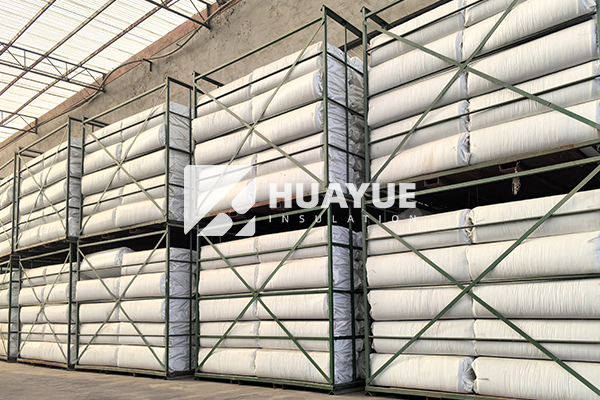
Is ROCK WOOL insulation good for soundproofing?
From my research and personal experience, ROCK WOOL insulation is indeed excellent for soundproofing applications. The material’s dense fiber structure creates millions of tiny air pockets that effectively trap and absorb sound waves. When I installed ROCK WOOL panels in my home theater room, the difference in sound quality was remarkable. External noises became significantly muffled, and internal sounds didn’t echo as they had before.
The acoustic performance of ROCK WOOL is measured by its Noise Reduction Coefficient (NRC) and Sound Transmission Class (STC) ratings. I discovered that quality ROCK WOOL products typically achieve NRC ratings between 0.85 and 1.0, which means they absorb 85-100% of sound waves that hit their surface. The STC ratings, which measure how well a material blocks sound transmission, often exceed 45 for properly installed ROCK WOOL insulation. These numbers convinced me that this material deserves serious consideration for any soundproofing project.
I also learned that ROCK WOOL performs exceptionally well across all sound frequencies, from low bass rumbles to high-pitched squeaks. This broad-spectrum absorption makes it ideal for diverse applications, whether you want to quiet a noisy HVAC system, reduce traffic sounds from outside, or create a peaceful home office space. The material maintains its acoustic properties over time without sagging or degrading, which means your soundproofing investment lasts for decades.
Is stone wool good for soundproofing?
The short answer is absolutely yes, and I can explain why stone wool excels in this specific application. The manufacturing process creates a non-directional fiber orientation, which means sound waves have multiple paths to travel through the material. This chaotic internal structure scattering effect significantly reduces sound transmission. Every time a sound wave encounters one of these randomly oriented fibers, it loses energy and transforms into minimal heat.
Stone wool also offers practical advantages that made my decision easier. The material is naturally fire-resistant, achieving fire ratings up to 1200°C, which adds an extra layer of safety to your soundproofing project. I found this particularly important when insulating my workshop where I occasionally use power tools. The moisture-resistant properties of stone wool prevent mold and bacterial growth, which is crucial for maintaining indoor air quality.
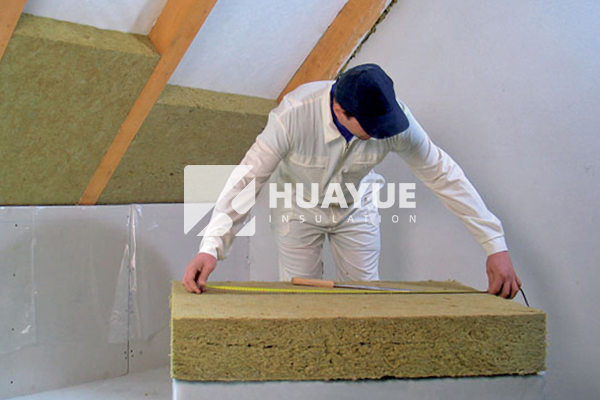
The installation process surprised me with its simplicity. Unlike some specialized acoustic panels that require professional installation, stone wool insulation can be cut with a simple utility knife and fitted into standard wall cavities, ceiling spaces, or floor joists. The flexibility of the material allows it to fill irregular spaces effectively, ensuring no gaps compromise the acoustic performance. I completed my basement project over a single weekend with basic DIY skills.
What are the downsides of ROCK WOOL insulation?
While I am genuinely impressed with ROCK WOOL’s performance, I believe in presenting a balanced view. The material does have some drawbacks that you should consider before making your final decision. The first issue I encountered was the initial cost. ROCK WOOL insulation typically costs 20-40% more than traditional fiberglass insulation, which gave me pause when budgeting my project. However, I later calculated that the long-term benefits and durability often offset this upfront investment.
The weight of ROCK WOOL presents another consideration. The material is significantly denser than fiberglass, which means ceiling installations may require additional structural support. When I was insulating my attic space, I needed to consult with a structural engineer to ensure the ceiling joists could handle the added load. This extra step added both time and expense to my project.
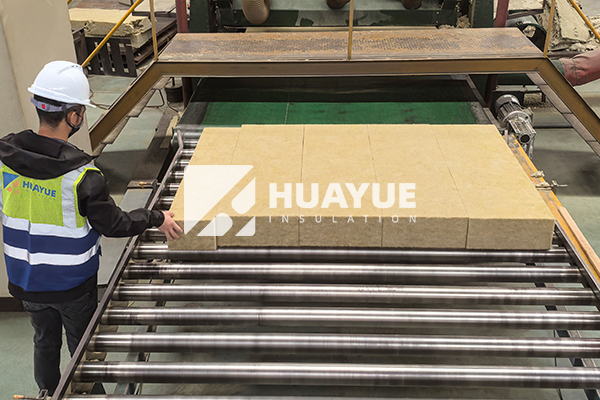
One more downside worth mentioning is the irritation factor during installation. The tiny fibers in ROCK WOOL can cause skin irritation and respiratory discomfort if proper protective gear is not worn. I learned this lesson the hard way during my first installation attempt. I strongly recommend wearing long sleeves, gloves, a mask, and safety goggles when working with this material. The irritation is temporary but easily avoidable with simple precautions.
Some homeowners also express concerns about the environmental impact of stone wool production. While the material itself is made from natural and recycled materials, the manufacturing process requires significant energy consumption. However, many manufacturers now incorporate recycled content and have improved their production efficiency. If environmental sustainability is your priority, I suggest researching specific brands to find options with stronger green credentials.
What is the best insulation for soundproofing?
After testing multiple insulation materials in my own home, I can confidently say that stone wool ranks among the best options for soundproofing applications. However, the "best" insulation ultimately depends on your specific situation, budget, and requirements. For standard wall and ceiling applications where you need a balance of thermal and acoustic performance, stone wool remains my top recommendation.
Fiberglass insulation, while cheaper, offers inferior acoustic performance compared to stone wool. I compared both materials side by side in my garage conversion project, and the difference in sound absorption was noticeable even to my untrained ear. Fiberglass tends to reflect more sound than it absorbs, making it less ideal for dedicated soundproofing purposes. Spray foam insulation provides excellent air sealing but performs modestly for acoustic absorption.
For specialized applications like recording studios or home theaters, I recommend combining stone wool with additional acoustic treatments. Mass-loaded vinyl, acoustic panels, and soundproof drywall can enhance the performance of your stone wool insulation. This layered approach addresses different sound transmission pathways and achieves superior results. I implemented this strategy in my home studio and was extremely satisfied with the professional-quality acoustic environment.
Conclusion
Stone wool sound insulation offers an exceptional combination of acoustic performance, fire resistance, and durability that makes it a top choice for residential and commercial soundproofing projects. While the initial investment is higher than traditional insulation materials, the long-term benefits including superior sound absorption, moisture resistance, and longevity provide excellent value. I have successfully used stone wool in multiple projects throughout my home, and the results have consistently exceeded my expectations. For anyone serious about reducing unwanted noise and creating peaceful interior spaces, stone wool deserves serious consideration as your primary insulation material.
You may also be interested in:
Ready to Get Started?
Get in touch with our experts for personalized solutions tailored to your needs.
Get Free QuoteLatest Articles
What is R19 Kraft Fiberglass Insulation Batt?
Mar 20, 2026
What is High Density Mineral Wool?
Mar 20, 2026
Is Glass Wool the Best Choice for Sound Insulation?
Mar 19, 2026
Let's Work Together
Ready to take your business to the next level? Get in touch with our team of experts and let's discuss how we can help you achieve your goals.
Get Free Solutions