





Should B2B Buyers Choose Mineral Wool Insulation?
I often see contractors, builders, distributors, and project buyers search for mineral wool insulation when they need a material that can support thermal performance, fire safety, and practical installation requirements in the same project. I also notice that many buyers use the term mineral wool broadly, even though they may actually be comparing rock wool products, board densities, project applications, and long-term performance expectations.
I believe mineral wool insulation is a strong choice for many B2B projects because it offers a useful balance of thermal insulation, sound absorption, fire resistance, and dimensional stability. I also think buyers should look beyond simple product names and focus on system requirements, density, thickness, application conditions, and supplier support before making a purchase decision.
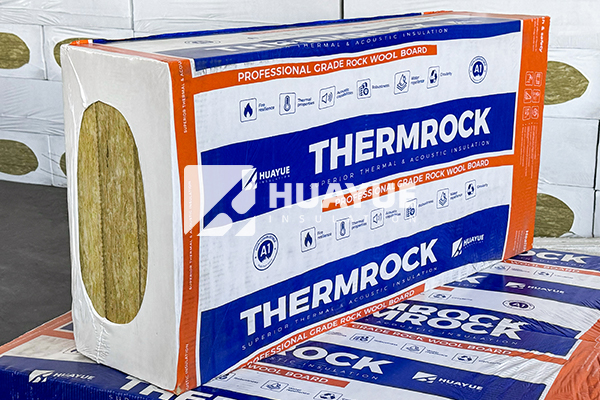
When I speak with acoustic insulation buyers, distributors, and OEM buyers, I notice that the same questions appear again and again. They want to understand the main negatives of mineral wool, how to judge which product is best, whether rodents are a risk, whether workers can handle the material safely, and whether mold can become a long-term problem. I think these are practical concerns, and I want to answer them in a way that helps professional buyers make better decisions.
What are the negatives of mineral wool?
I think the first negative many buyers notice is price. Mineral wool is often not the cheapest insulation option on the market. I usually tell project buyers that low price alone should not drive insulation selection, especially in commercial and industrial work. Mineral wool may cost more than entry-level alternatives, but the comparison should include fire performance, sound absorption, long-term stability, and project specification requirements. When buyers only compare by initial unit price, they may miss the value of better system performance and reduced replacement risk.
I also think handling can be a practical downside. Mineral wool is fibrous, and workers may experience skin irritation or dust discomfort if the site team does not use proper protective equipment. This does not mean the product is unsafe when used correctly, but it does mean installers need realistic handling guidance. I also see that poor cutting, over-compression, or bad fitting can reduce expected performance. In B2B supply, this matters because product quality alone is not enough. The final result also depends on installation practice, assembly design, and jobsite discipline.
Another downside is that buyers sometimes expect one mineral wool product to fit every use case. I do not think that is a good assumption. Different applications require different densities, thicknesses, facings, and performance priorities. A product selected for acoustic partitions may not be the best choice for high-temperature equipment, exterior systems, or fire-rated assemblies. In my view, one of the real negatives of mineral wool is not the material itself, but the risk of vague product selection when buyers do not ask for enough technical detail.
What is the best mineral wool insulation?
I do not believe there is one single mineral wool product that is automatically the best for every project. I think the best mineral wool insulation is the one that matches the real application, performance target, and installation system. For some projects, the best product is a rigid board with reliable density for wall systems. For some applications, the better choice is a batt product for partitions or ceiling cavities. For some industrial or fire-rated uses, buyers may need higher-density or more specialized options.
I usually suggest that contractors and distributors evaluate mineral wool products through a few practical questions. What is the main project goal? Is the priority thermal insulation, sound absorption, fire resistance, or a balanced combination of all three? What assembly will the product go into? Will the insulation be used in a partition wall, a ceiling cavity, an exterior wall, or an industrial system? Will the buyer need export packaging, OEM support, data sheets, or large-volume supply stability? The best product is easier to identify when these questions are answered clearly.
I also think supplier quality matters as much as product quality. A strong mineral wool supplier should support buyers with technical documentation, density and thickness options, application guidance, and stable production capability. In B2B wholesale and OEM export, this support becomes even more important because buyers are not only purchasing insulation. They are also purchasing consistency, communication, and reduced project risk. In my view, the best mineral wool insulation is not just the best-performing sample. It is the best-performing and best-supported solution for the target market.
Do mice nest in ROCK WOOL?
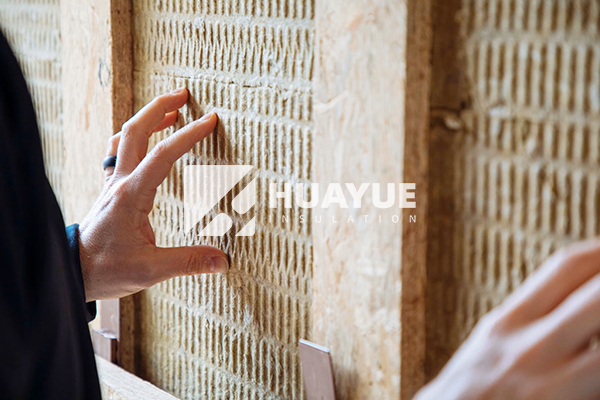
I hear this question from professional buyers more often than some people expect, especially when the project involves hidden cavities, roof spaces, partition walls, or long-term building envelope performance. My view is that rock wool is generally less attractive to mice than soft organic materials because it is mineral-based and does not provide food. I also think its fiber structure is much less comfortable for nesting than materials that are softer and easier for rodents to disturb.
At the same time, I would not present rock wool as a complete rodent-proof solution. If mice can enter a building through gaps, penetrations, service openings, or weak edge details, the real problem is the building condition, not only the insulation choice. Rodents may still move through accessible spaces if the assembly is poorly sealed. That is why I usually explain this issue from a system point of view. Rock wool can help reduce nesting attractiveness, but proper closure details, access control, and maintenance still matter.
For builders, project buyers, and distributors, I think the useful takeaway is simple. Rock wool is generally a better choice than softer nest-friendly materials when rodent concern is part of the project discussion, but buyers should not overpromise what the insulation alone can do. In B2B supply, honest product positioning is better than exaggerated claims. It protects trust and leads to better long-term customer relationships.
Can you touch ROCK WOOL with bare hands?
I think short accidental contact with rock wool is possible, but I would not recommend handling it with bare hands during normal installation work. I usually tell site teams and buyers to treat mineral wool like a professional construction material that needs proper handling, not like a product that should be used casually without protection. Gloves, long sleeves, eye protection, and dust protection are practical precautions, especially during cutting, fitting, and cleanup.
In my experience, the concern here is mainly irritation rather than serious long-term harm from normal handling. Fibers and dust can irritate skin, eyes, and the respiratory system, especially if the material is cut in volume or handled in enclosed spaces. That is why I think supplier guidance matters. A good supplier should explain not only how the product performs, but also how it should be handled, stored, cut, and installed. For B2B buyers, this is not a small detail. It affects installer experience, complaint rates, and repeat purchase confidence.
I also think this issue matters commercially because contractors and distributors remember whether a product causes unnecessary site trouble. If handling is uncomfortable, but the supplier gives clear safety and installation guidance, buyers usually accept it as part of normal construction practice. If the topic is ignored, trust can drop. So I believe the best approach is simple and honest: yes, it can irritate bare skin, and no, bare-hand installation should not be the standard practice.
Can mold grow on mineral wool insulation?
I think mineral wool performs well in relation to mold risk because the material itself is inorganic and does not provide food for mold growth in the way organic materials do. This is one reason many professional buyers see mineral wool as a strong option for projects where moisture resistance and long-term stability matter. However, I also think buyers should avoid oversimplifying the issue. Mold risk is not only about the insulation material. It is also about moisture management in the whole building system.
If water enters a wall or ceiling assembly and stays there because of leaks, poor detailing, trapped humidity, or bad ventilation, mold problems can still appear on surrounding dust, dirt, finishes, or adjacent building components. So when buyers ask me whether mold can grow on mineral wool insulation, I usually give a balanced answer. The insulation itself is generally resistant because it is inorganic, but a wet and poorly managed system can still create mold-related problems in the assembly. That means the correct solution is not only choosing the right insulation, but also designing and installing the system properly.
For contractors, acoustic insulation buyers, and project teams, I think this matters a lot. Mineral wool should be positioned as a material that supports better moisture and mold resistance compared with more vulnerable options, but not as an excuse to ignore waterproofing, ventilation, or cavity management. In B2B terms, this is again about realistic performance communication. Buyers need a product that helps reduce risk, but they also need correct system guidance from the supplier side.
Conclusion
I believe mineral wool insulation is a strong choice for many B2B buyers when product selection is based on real application needs, realistic handling expectations, and complete system performance rather than price alone.
You may also be interested in:
Ready to Get Started?
Get in touch with our experts for personalized solutions tailored to your needs.
Get Free QuoteLatest Articles
Is Rock Wool a Good Choice for Acoustic Insulation?
Mar 30, 2026
Rockwool Insulation for Roof: Best Practices (2026)
Mar 27, 2026
Stone Wool Sound Insulation?
Mar 23, 2026
Let's Work Together
Ready to take your business to the next level? Get in touch with our team of experts and let's discuss how we can help you achieve your goals.
Get Free Solutions