




Roof Insulation Mineral Wool: Is It the Ultimate Choice for Energy-Efficient Homes?
Homeowners struggle to keep their homes warm in winter and cool in summer. Many also worry about high energy bills and hidden problems in their roof insulation.
Mineral wool insulation in the roof can drastically reduce heat loss, cut your energy bills, and dampen sound. It’s fire-resistant, non-combustible, and does not absorb water, making it an ideal solution for most roofing systems.
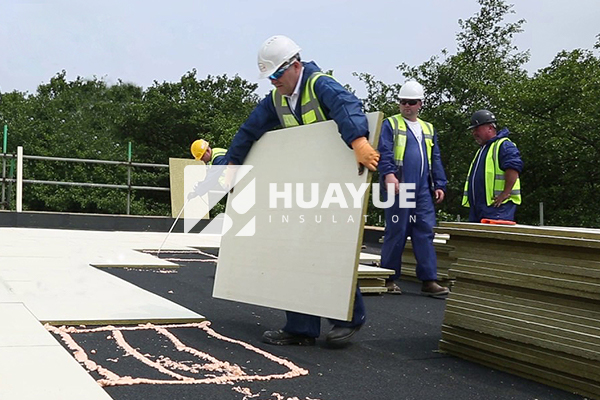
Choosing the right roof insulation is not as simple as picking a product off the shelf. Each type comes with its own set of pros and cons. In this article, I explore the strengths and weaknesses of mineral wool. I also answer some common concerns, including whether rodents attack it and if it truly is the best for roofs.
What are the disadvantages of mineral wool insulation?
Many believe mineral wool can solve every insulation problem. I thought the same when I first started working with it years ago. But it has its drawbacks too.
Mineral wool insulation can cause skin and respiratory irritation during installation. It is heavier than some other insulation materials and can be more expensive. Over time, it can settle or slump, reducing its effectiveness.
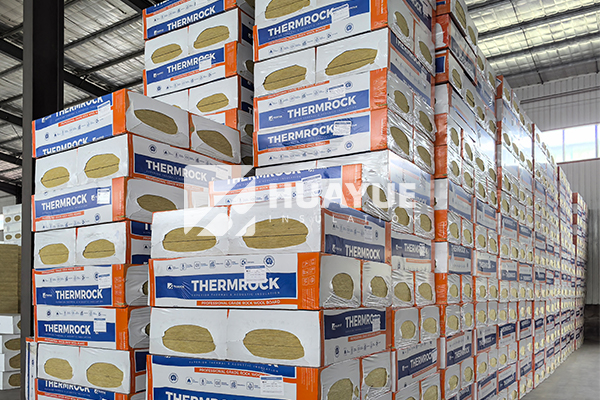
When I handle mineral wool, I always wear long sleeves and a mask. The fibers can be itchy on my skin and make me cough. This means taking extra care during installation, which can add time and cost. Because it is denser, mineral wool weighs more than fiberglass or foam. That makes handling and transporting it harder, especially on large jobs. Cost is another factor. While it lasts a long time and offers good fire resistance, it can cost more up front than other types of roof insulation. Over time, gravity can pull the fibers downward, especially in vertical or sloped applications. This settling may leave gaps without insulation at the top of the roof cavity. To see how mineral wool compares with other common roof insulations, check the table below:
| Property | Mineral Wool | Fiberglass | Rigid Foam |
|---|---|---|---|
| Weight | Heavy | Light | Moderate |
| Installation Safety | Itchy, wear PPE | Mild irritation | Wear mask |
| Cost | Higher | Moderate | Highest |
| Settling Over Time | Possible | Possible | No |
| Fire Resistance | Excellent | Poor-Moderate | Moderate |
| Water Absorption | Low | Moderate | Low |
Will mice chew through ROCK WOOL insulation?
Holes made by rodents in insulation can ruin energy savings. Years ago, I lost sleep worrying about mice chewing through freshly installed insulation.
Mice and rats rarely chew through rock wool insulation because it is not edible or comfortable for nesting. Its rough texture and density deter most rodents from tunneling into it.
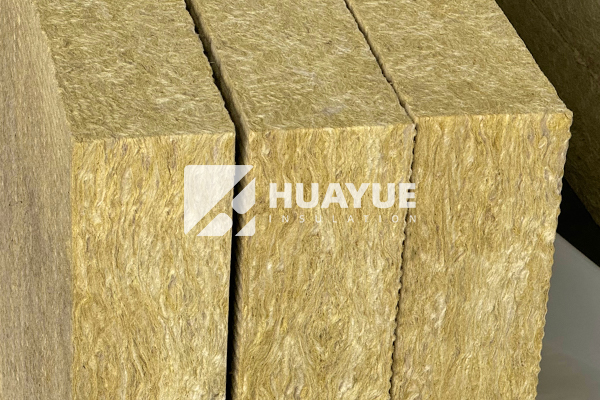
In my experience, when we have pulled down ceilings in older buildings with rock wool, the insulation is usually untouched by rodents. That is because the fibers are sharp and unpleasant for them to gnaw or make a nest. Mice seek out softer, more inviting materials like fiberglass, foam, or shredded paper. Even where rodents are present, rock wool tends to be left alone. Still, it is important to seal up entry points around the roof space. No insulation can fully stop a determined animal. If your building has a severe rodent problem, mineral wool is one of the best choices, especially compared to foam boards and loose-fill insulation. Here is a quick comparison of how rodents react to different insulation materials:
| Material | Chewed by Rodents | Preferred Nesting? | Natural Deterrent |
|---|---|---|---|
| Rock Wool | Rarely | No | Yes |
| Fiberglass | Sometimes | Yes | No |
| Rigid Foam | Often | Sometimes | No |
| Cellulose | Sometimes | Yes | No |
Is ROCK WOOL good for roof insulation?
People often ask if rock wool is truly suitable for roof insulation, or if it’s just a pricey option for special projects.
Rock wool is excellent for roof insulation. It provides high fire resistance, does not absorb water, offers good sound insulation, and resists most pests. It is durable and ideal for both flat and pitched roofs.
Many years ago, I oversaw a project where we replaced old insulation in a flat roof with rock wool panels. The difference was clear right away. It blocked out street noise, and the temperature inside became much more consistent. Rock wool’s fire resistance gives extra peace of mind, especially for anyone worried about sparks or nearby wildfires. It does not burn or melt, unlike foam boards, and it keeps its shape even when wet. This is important for roofs that sometimes see leaks. Rock wool works well in almost every roofing application: under rafters, above deck, or inside cavity walls. Below you can see where rock wool stands out best in roof insulation:
| Performance Area | Rock Wool | Fiberglass | Rigid Foam |
|---|---|---|---|
| Fire Resistance | Excellent | Moderate | Poor |
| Water Resistance | Very Good | Moderate | Good |
| Noise Reduction | Excellent | Good | Poor |
| Pest Resistance | Good | Fair | Poor |
| Structural Load | High | Moderate | Moderate |
| Lifespan | 50+ years | 20-30 years | 20-30 years |
What is the most effective roof insulation?
Choosing the most effective insulation means weighing different factors—R-value, durability, fire resistance, and individual climate needs.
The most effective roof insulation often combines high R-value, fire resistance, water resistance, and long-term durability. Mineral wool, rigid foam, and spray foam each excel in specific areas. Mineral wool is highly effective for fire and sound resistance.
Not every project is the same. I have worked on some roofs where extreme cold required the highest R-value possible. Other times, attic spaces needed fire protection above all else. While spray foam can create a tight air seal and high R-value, it may not be as fire-resistant. Rigid boards resist water well but do not block noise. Mineral wool achieves a strong balance of all major safety and performance factors. It is often the best choice for flat roofs, green roofs, or any roof where safety codes are strict. If you have a pitched roof and care about both heat loss and sound, mineral wool delivers. Compare the top three insulations below:
| Feature | Mineral Wool | Rigid Foam | Spray Foam |
|---|---|---|---|
| R-value | High | Very High | High |
| Fire resistance | Excellent | Moderate | Poor |
| Water resistance | Good | Excellent | Good |
| Sound dampening | Excellent | Poor | Good |
| Air sealing | Good | Excellent | Excellent |
Benefits of mineral wool insulation
People choose mineral wool for more than just basic warmth. Its safety and long-lasting qualities bring other valuable upsides.
The benefits of mineral wool insulation include fire safety, water resistance, sound damping, durability, pest resistance, and sustainability. It is non-combustible, does not support mold growth, and remains effective for decades.
When I switched to mineral wool for my own home, the lower heating bills surprised me. I also noticed fewer outside noises at night, making my bedroom much quieter. Because mineral wool comes from natural stone and recycled material, it is an environmentally friendly choice. It can also help meet green building certifications. The insulation retains its shape and function for decades, so it saves money on maintenance. For builders and homeowners alike, mineral wool means peace of mind. Here’s a summary of its benefits:
| Benefit | Impact |
|---|---|
| Fire Safety | Non-combustible, resists fire |
| Water Resistance | Repels water, reduces mold |
| Noise Reduction | Blocks sound, boosts comfort |
| Durability | Lasts for decades |
| Pest Resistance | Not chewed or nested by mice |
| Eco-Friendliness | Uses recycled materials |
Conclusion
Mineral wool makes safe, lasting, and efficient roof insulation. It delivers big benefits, but knowing its limits helps you make the best choice for your next project.
You may also be interested in:
Ready to Get Started?
Get in touch with our experts for personalized solutions tailored to your needs.
Get Free QuoteLatest Articles
Is Glass Wool the Best Choice for Sound Insulation?
Mar 19, 2026
Let's Work Together
Ready to take your business to the next level? Get in touch with our team of experts and let's discuss how we can help you achieve your goals.
Get Free Solutions