








Roof batt insulation: Is it the right choice for your building needs?
Most people want comfort and cost savings, but they worry about energy loss through the roof. Batt insulation promises an easy solution, yet is it truly the best way to insulate?
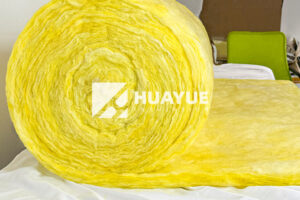
Roof batt insulation refers to precut, flexible panels of fibrous material, often glass wool or mineral wool, designed specifically for quick installation in roof cavities. Batts help reduce heat transfer, lower energy bills, and increase occupant comfort in buildings.
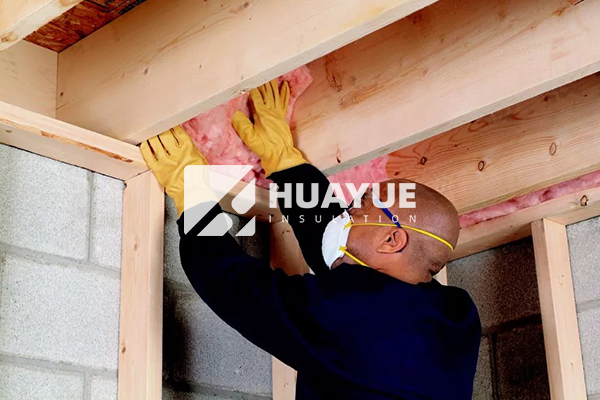
Roof insulation choices can be overwhelming, and poor decisions can lead to high bills or uncomfortable interiors. I have worked with many engineers and building owners facing the same doubts. They often ask how to pick between various insulation products and how to avoid costly mistakes. In this article, I will explain roof batts in detail, comparing them to other types, and help you understand if batt products are best for your project.
What are roof batts?
Many people struggle with high energy bills and uncomfortable rooms because their roofs allow heat to escape or enter. Roof batts promise to fix this problem, but what exactly are they?
Roof batts are factory-made insulation panels, cut to fit snugly between rafters or roof joists, limiting heat flow and preventing temperature swings inside buildings. They are commonly made of glass wool, mineral wool, or other fibrous materials and are easy to install.
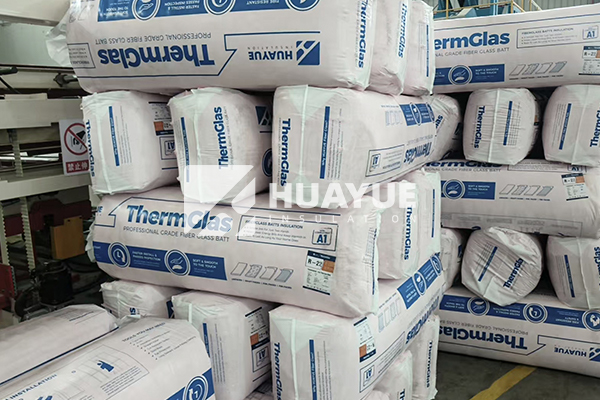
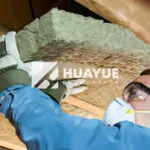
Roof batts act as thermal blockers—it is like putting a thick blanket between your living space and the outside weather. They usually come in bags, pressed to save space and expand on site. There are several types of batt insulation for roofing: most are made from glass wool (fiberglass), but mineral wool is also common for its fire and water resistance. Modern manufacturing methods allow for precise cuts, so you can quickly install batts even in tight spaces or over large areas. The main advantages are speed and simplicity. Workers can finish jobs faster and you avoid guesswork about coverage. The insulation’s density and tight fit cut heat gain in summer and heat loss in winter.
Comparison of Common Roof Batt Materials
| Material | Fire Resistance | Water Absorption | Ease of Installation | Typical R-value |
|---|---|---|---|---|
| Glass wool | Very good | Very low | High | 3.0 – 3.5 m2·K/W |
| Mineral wool | Excellent | Low | High | 3.5 – 4.0 m2·K/W |
| Polyester | Low | Medium | Very high | 2.0 – 2.5 m2·K/W |
Batts are the preferred choice wherever you need predictable and continuous thermal control, especially in large-span roofs or metal frame buildings. The regular shape allows air gaps to be minimized, reducing heat leaks. For industrial tanks where I often work, we use batts shaped and engineered for curved or flat surfaces to keep temperatures stable even in tough conditions.
What is the best insulation for roofing?
Anyone planning to insulate a roof worries about picking the “best” solution—choosing wrongly can lead to future headaches or wasted money. How do you compare the options fairly?
The best insulation for roofing depends on climate, roof design, budget, and required fire safety. Glass wool and mineral wool batts offer a strong balance of thermal performance, fire resistance, and value. Foam glass excels when you need lasting durability and zero water absorption.
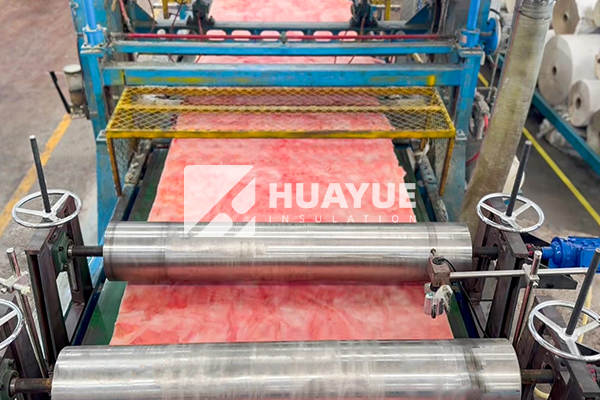
You should consider four main questions for roofing insulation: What is your climate? How much space do you have? What is your fire risk? What can you afford? Glass wool and mineral wool batts are most popular for pitched roofs and metal roofing systems. They offer reliable R-values, are non-combustible, and easy to install. For flat roofs or extreme environments, rigid panels or spray foam are sometimes chosen, but they cost more and are hard to update later.
All roofs must comply with local codes about fire and thermal safety. Glass wool and mineral wool comply with the toughest standards worldwide. I have worked on projects in Europe and Southeast Asia, where both humidity and summer heat are issues. The batts always perform well, especially if they have a vapor barrier layer already attached.
Quick Comparison: Roofing Insulation Types
| Insulation | Best Application | Fire Resistance | Typical Thickness (mm) | Lifespan (years) | Cost ($/m2) |
|---|---|---|---|---|---|
| Glass wool batt | Pitched/metal roofs | A1 non-combust. | 50–200 | 25+ | Low |
| Mineral wool | Flat/complex roofs | A1 non-combust. | 50–200 | 25+ | Low–Medium |
| Foam glass | Tanks/roofs, CUI | Absolute | 38–100 | 40+ | Medium–High |
| PIR/PU board | Flat roofs | Good | 20–120 | 20–30 | Medium–High |
| Spray foam | Retrofit/complex | Depends (B–E) | Variable | 10–20 | High |
What are the disadvantages of batt insulation?
It is easy to think batt insulation is a perfect solution, but nothing is ever without downsides. People forget the limits until they run into problems.
Batt insulation can leave gaps if not fitted correctly and may sag or compress over time. Poor installation lowers energy savings and may lead to cold spots, moisture problems, or less fire resistance.
When installing batts, what matters most is the fit. If there are air gaps, or if workers compress the batts, performance drops fast. Sometimes roof wiring or pipes make a tight fit tricky, or mistakes happen if the cut sizes are wrong. Even a few centimeters off can ruin the effect and lead to condensation or dirt collecting inside your building. In my experience, maintenance staff sometimes find that roof spaces become less effective as insulation ages. The batts might slump or get displaced by other work being done in the ceiling space.
Moisture is another risk if the roofing is not completely sealed. While modern glass wool and mineral wool resist water, persistent leaks can break down even the best batt insulation unless there is a vapor barrier. Finally, compared to rigid board or foam glass, traditional batts do not offer much load support and should not be used in tank bases or walkable surfaces.
Main Challenges of Batt Insulation
| Weakness | Consequence | Solution Tip |
|---|---|---|
| Gaps from install | Lower thermal efficiency | Check size and tight fits |
| Compression | Reduced R-value | Do not over-pack |
| Aging/sagging | Uneven insulation, cold spots | Choose dense, quality batts |
| Water leak risk | Mold/corrosion under roof | Use vapor barrier layer |
| No compressive load | Cannot support heavy weight | Use only in roof cavities |
Unlike foam glass, which is one of my favorite solutions for tanks, batts rely on correct installation and regular checks to stay effective.
What is batt insulation?
People often talk about batt insulation, but few really know what it means. Understanding the basics is essential for smart material choices.
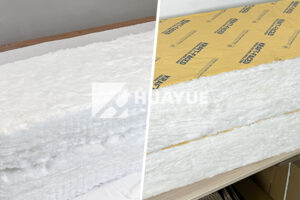
Batt insulation is a flexible, precut panel made from fibrous material, usually glass wool or mineral wool, used to fill wall or roof cavities. It acts as a barrier to block temperature movement and improve comfort and energy efficiency.
The difference of batts, compared to loose-fill or rigid boards, is the quick installation and precise fit. Most batt products are designed to match standard building widths, so you waste less material. The product compresses for easier shipping and expands on site to fill the available space. I recommend checking the packaging details—good quality batts will ‘recover’ quickly after opening, and the fibers will look uniform. This structure blocks airflow through roof and wall frames while still allowing water vapor to escape if there is accidental moisture.
Batts are light and easy for most people to carry and install with just basic tools. With regular safety equipment—gloves, long sleeves, mask—the work goes faster than with heavier board-type insulation. Industrial sites often use high-density batts for pipe or tank lagging, and some even mix glass wool with a reinforced foil surface to add reflection or water resistance.
Batt Insulation At-a-Glance
| Feature | Detail |
|---|---|
| Material | Glass wool, mineral wool, polyester |
| Format | Precut flexible panels |
| Install area | Roofs, walls, floors, HVAC pipes |
| Main benefit | Quick installation, reliable R-value |
| Limitation | Can sag, must fit well |
Understanding what batt insulation is and how it performs helps you make more informed choices, whether you’re retrofitting a home or planning an industrial tank project.
Conclusion
Roof batt insulation gives reliable, affordable comfort, but it needs careful installation and regular checks to deliver the best results long term.
You may also be interested in:
Ready to Get Started?
Get in touch with our experts for personalized solutions tailored to your needs.
Get Free QuoteLatest Articles

Let's Work Together
Ready to take your business to the next level? Get in touch with our team of experts and let's discuss how we can help you achieve your goals.
Get Free Solutions