







Rockwool Insulation for Roof: Best Practices (2026)
I have installed rock wool insulation in various roof applications throughout my construction career. Roof insulation is critical for energy efficiency and indoor comfort. Let me share my experience with rock wool for roofing projects.
Rock wool can definitely be used as roof insulation. It offers excellent thermal performance, fire resistance, and sound dampening properties that make it ideal for both flat and sloped roof applications.
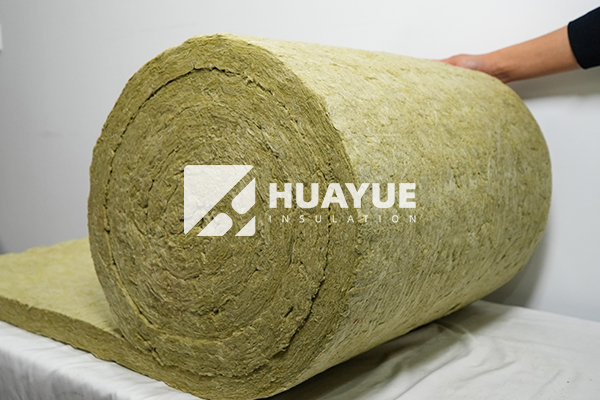
Choosing the right roof insulation affects your building’s energy consumption significantly. I have seen rock wool perform exceptionally well in various roof configurations. The material handles temperature extremes without degrading.
Can ROCK WOOL be used as roof insulation?
I recommend rock wool for roof insulation in most situations. The material handles both hot and cold climates effectively. My customers have reported significant energy savings after installation.
Rock wool is excellent for roof insulation because it provides R-values from R-30 to R-49, resists fire up to 2000°F, and maintains performance for over 50 years without settling or degrading.
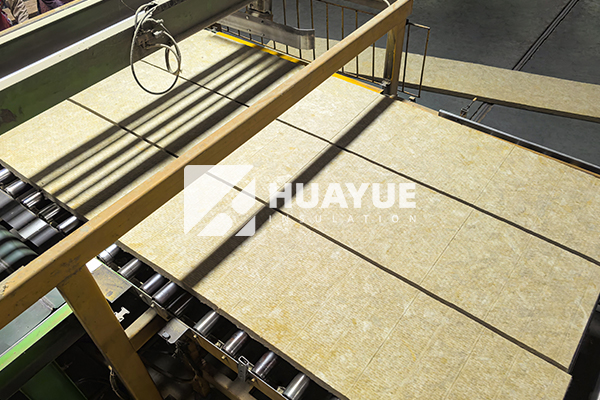
Rock wool works in various roof types. I have installed it in flat commercial roofs, sloped residential attics, and cathedral ceilings. The material handles direct exposure to heat better than fiberglass.
| Roof Type | Rock Wool R-Value | Best Application |
|---|---|---|
| Flat Roof | R-30 to R-49 | Commercial buildings |
| Sloped Roof | R-30 to R-49 | Residential attics |
| Cathedral Ceiling | R-30 to R-38 | Vaulted spaces |
| Bonus Room | R-30 to R-38 | Finished attics |
The fire resistance is crucial for roof applications. Rock wool will not burn or contribute to fire spread. This protection is vital where roof fires can destroy entire buildings. I always specify rock wool for this reason alone.
The sound dampening qualities benefit roof installations too. Rain on metal roofs becomes much quieter with rock wool underneath. My customers love this benefit in bedroom attic spaces.
What are the downsides of ROCK WOOL insulation?
I believe in presenting honest information about any material. Rock wool has some drawbacks that deserve consideration for roof applications specifically.
The main downsides for roof insulation are higher cost than fiberglass, heavier weight requiring structural support, and potential moisture issues if not properly ventilated.
Roof installations face unique challenges. The cost is significantly higher than fiberglass. I advise customers to budget accordingly. The investment pays back through energy savings over time.
| Downside | Impact | Mitigation |
|---|---|---|
| Higher cost | 30-50% more than fiberglass | Long-term energy savings |
| Weight | Requires strong roof structure | Engineering review needed |
| Moisture | Can hold water if leaked | Proper ventilation required |
| Installation | Requires experienced installers | Hire qualified contractors |
The weight issue matters more for roof applications. Rock wool is denser than alternatives. I always recommend a structural review for flat roofs. The additional load must be accounted for in the design.
Moisture management is critical for roof insulation. Any roof leak will saturate rock wool. The material can hold water and lose effectiveness. Proper ventilation and vapor barriers are essential. I inspect these details carefully during installation.
Do you need an air gap with ROCK WOOL?
This question is especially important for roof applications. The answer depends on your specific roof assembly and climate zone.
Most roof applications do not require a deliberate air gap. Rock wool should fill the cavity completely for optimal thermal performance. However, ventilated roof assemblies may include specific air channels.
Rock wool performs best when fully filling the space. Any gap creates a thermal bridge. I ensure tight fits in all my roof installations. The fibers maintain their structure without compression.
| Roof Assembly | Air Gap Needed? | Notes |
|---|---|---|
| Cathedral Ceiling | Sometimes | Vented vs unvented |
| Flat Roof | Usually not | Follow manufacturer specs |
| Ventilated Attic | Not in cavity | Ventilation is above insulation |
| Unvented Attic | No | Full fill is best |
Ventilation requirements affect installation methods. Vented attics have airflow in the attic space, not within the insulation. The insulation sits on the ceiling plane. Unvented assemblies require careful attention to moisture.
Some steep-slope applications benefit from counter-intuitively having the insulation not completely fill the space. This is rare and specific to certain assemblies. I consult manufacturer specifications for unusual configurations.
Do mice chew through ROCK WOOL insulation?
Roof insulation often faces rodent problems. Mice can enter through various roof openings. The resistance of rock wool to pests is a significant advantage.
Mice cannot chew through rock wool insulation. The dense, sharp fibers make it impossible for rodents to nest or travel through. This resistance makes rock wool excellent for roof applications in pest-prone areas.
Mice avoid rock wool whenever possible. The fibers are too sharp and uncomfortable. I have inspected many roofs with rock wool. Rodent damage is extremely rare compared to fiberglass.
| Pest | Rock Wool Response | Fiberglass Response |
|---|---|---|
| Mice | Cannot penetrate | Will nest in it |
| Rats | Avoid material | Can damage easily |
| Squirrels | Avoid material | May enter through gaps |
| Birds | Not attracted | Not typically an issue |
The roof presents multiple entry points for rodents. Vents, gaps, and openings can all allow access. Even with rock wool, sealing these entry points is essential. The insulation provides resistance but cannot prevent entry.
I recommend combining rock wool with proper rodent exclusion. Steel wool in gaps, metal flashing, and mesh screens all help. This comprehensive approach provides the best protection.
Conclusion
Rock wool is an excellent choice for roof insulation. The fire resistance alone makes it worth the investment. Combined with superior thermal performance and pest resistance, it provides outstanding value. I have used rock wool in hundreds of roof projects.
The higher upfront cost is offset by decades of performance. Energy savings accumulate over the lifespan. The fire protection provides priceless peace of mind. For roof insulation, rock wool remains my top recommendation.
You may also be interested in:
Ready to Get Started?
Get in touch with our experts for personalized solutions tailored to your needs.
Get Free QuoteLatest Articles
Stone Wool Sound Insulation?
Mar 23, 2026
What is R19 Kraft Fiberglass Insulation Batt?
Mar 20, 2026
What is High Density Mineral Wool?
Mar 20, 2026
Let's Work Together
Ready to take your business to the next level? Get in touch with our team of experts and let's discuss how we can help you achieve your goals.
Get Free Solutions