







Rock Wool Wall Panels: The All-Purpose Answer for Energy-Efficient Walls?
Want to know if rock wool wall panels are the right fit for your project but worry about hidden drawbacks? I’ll walk through all you need to know in simple terms.
Rock wool wall panels are a safe and effective insulation choice for many buildings. They offer strong fire resistance, soundproofing, and thermal insulation. Their structure does not support mold, pests, or water retention, making them a top choice for long-term wall solutions.
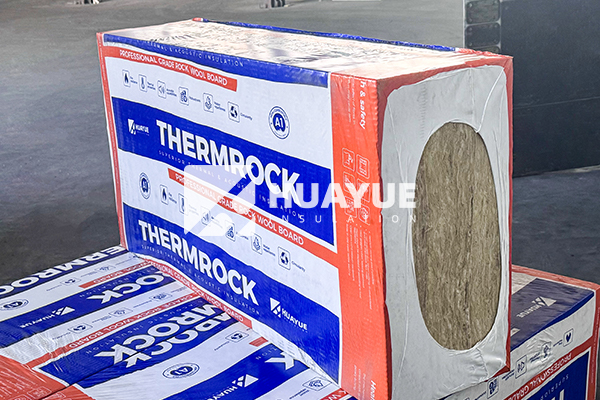
Walls form the backbone of every building, so picking the right insulation affects everything from energy bills to comfort and safety. I chose rock wool panels for my own projects because of their reliability. I will explain all key details, covering every concern you might have, so you get a full picture and can make your own decision.
What is the downside of ROCK WOOL?
Some claim every insulation has flaws—what should you worry about with rock wool panels? At first, even I had some doubts before I investigated further.
Rock wool’s main downsides are higher initial cost and skin irritation during installation. It can also shed dust when cut. Proper protection helps avoid these issues.
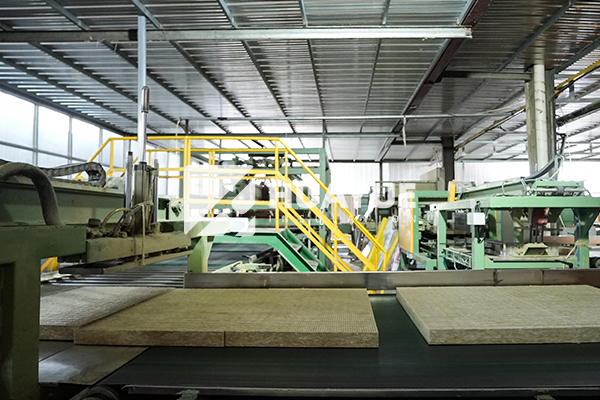
People talk about insulation like it is all the same, but each type has positive and negative sides. When I first handled rock wool, I noticed the material can feel rough and crumbly. Touching it directly left some irritation on my skin. It can be pricier upfront compared to materials like glass wool or foam, but these costs usually balance out due to longer service life and less maintenance. Rock wool also creates airborne particles when you cut it on-site, so wearing gloves and masks is a must. Once installed in walls, it does not release dust. Most building crews find these points easy to handle with straightforward protective gear. Here’s a breakdown:
| Downside | Impact Level | Common Solution |
|---|---|---|
| Higher upfront cost | Medium | Balanced by long life |
| Skin/eye irritation | Medium | Wear gloves and long sleeves |
| Dust during handling | Low | Use masks, cut outside |
| Final fire resistance | Excellent | N/A |
So, are there better options? Rock wool might not fit every budget, but for critical wall performance, the negatives are easy to manage.
Will rodents nest in ROCK WOOL?
If you install walls, the last thing you want are pests finding a new home. Like many, I once wondered if rock wool would attract rodents.
Rodents do not nest in rock wool insulation. Its dense, sharp, and inorganic fibers offer no food or comfort for rats or mice, making it a poor nesting material.
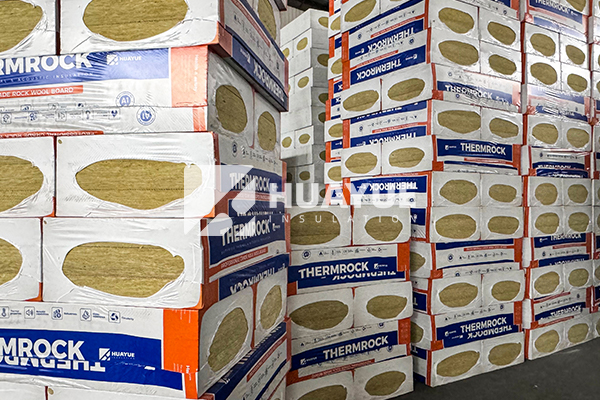
No one likes to guess where a strange noise comes from. I remember when I managed a renovation, the building manager worried about pests in the walls. Rodents want soft, warm, edible spaces. Rock wool has none of these qualities. Its itchy mineral structure will drive away most vermin at the first touch. The structure is also water-repellent, so rodents cannot dig damp pathways, which they love in other insulation types. The panel’s structure just does not allow burrowing or nesting, and there is no organic content to attract them either. See below for a quick comparison:
| Insulation Material | Rodent Attraction | Why Not/Risk Factors |
|---|---|---|
| Rock Wool | Very Low | Sharp, itchy, no food |
| Glass Wool | Low | Less dense, some risk |
| Foam Board | Medium | Some burrowing seen |
| Cellulose | High | Food value, soft |
The more you want to keep out pests, the more reason you have to trust rock wool for your wall panel design.
Can I touch ROCK WOOL with bare hands?
If you install your own panels, you might wonder—can you just grab rock wool with bare hands? I asked the same before my first job with it.
You should not touch rock wool with bare hands. Its fibers cause mild but temporary skin irritation. Using gloves and covering your arms is the safest way to handle it.
Building site mistakes happen. On my earliest site, I watched someone pick up a bat of rock wool with no gloves. They got itchy redness quickly! Rock wool fibers break off as small, sharp bits. These don’t cut, but they irritate. Most people only feel the tingling for a short time. The particles are not dangerous and do not cause lasting harm. Still, why risk discomfort? The simplest fix is gloves, long sleeves, and wash up when finished. Once panels go into walls, there is zero contact, as the facing material contains the fibers. Some products come pre-faced with foil or mesh, stopping irritation altogether.
| Activity | Risk Without Gloves | Protective Gear |
|---|---|---|
| Carrying/Placing Panel | Itchy, mild rash | Cotton gloves, covered arms |
| Cutting Panels | Dust/itching hands | Gloves, dust mask, eye gear |
| Installed Panel Touching | No risk | N/A (faced panels) |
In my work, I make protective gear standard for wall panel jobs. This makes the whole process smooth and safe, with no downtime for skin complaints.
Can ROCK WOOL be used in walls?
Many ask if rock wool is suited only for roofs or fire protection. I’ve seen it used in top-level wall insulation for many building types.
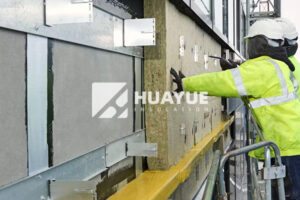
Rock wool is ideal for wall insulation. Its density, fire safety, moisture resistance, and sound-blocking properties make it excellent for both interior and exterior wall cladding.
Rock wool’s strengths stand out most in walls, where fire and energy codes are strictest. I have specified rock wool for projects like hospitals, schools, and chemical plants—anywhere that safety and comfort are priorities. It fits cavity walls, partition systems, ventilated façades, and curtain walls. It can boost STC and fire ratings without adding much thickness. Unlike organic insulation, rock wool keeps its performance in wet or hot settings. Here’s a real-world example:
| Application | Typical Benefit | Example Use Case |
|---|---|---|
| Interior Walls | Superior soundproofing | Hospitals, hotels |
| External Walls/Facades | Fire resistance | High-rises, factories |
| Partition Walls | Easy installation | Offices, remodels |
| Industrial Tanks | CUI prevention | Chemical/plants |
The bottom line: rock wool stands out as a versatile choice for all wall needs. Each project gains from its durability, fire proofing, and pest-resistant qualities.
Conclusion
Rock wool wall panels offer fire safety, pest resistance, and top energy savings. The only true concerns are mild irritation when handling and higher initial cost—both easy to manage.
You may also be interested in:

Ready to Get Started?
Get in touch with our experts for personalized solutions tailored to your needs.
Get Free QuoteLatest Articles



Should B2B Buyers Choose Mineral Wool Insulation?
Mar 31, 2026
Is Rock Wool a Good Choice for Acoustic Insulation?
Mar 30, 2026
Rockwool Insulation for Roof: Best Practices (2026)
Mar 27, 2026
Let's Work Together
Ready to take your business to the next level? Get in touch with our team of experts and let's discuss how we can help you achieve your goals.
Get Free Solutions