








Rock Wool Wall Insulation: Complete Installation Guide
I have spent years helping homeowners choose the right insulation for their walls. Many of them feel confused by all the options on the market. Rock wool is one of the best insulation choices for walls because it offers excellent thermal performance, fire resistance, and soundproofing in one product.
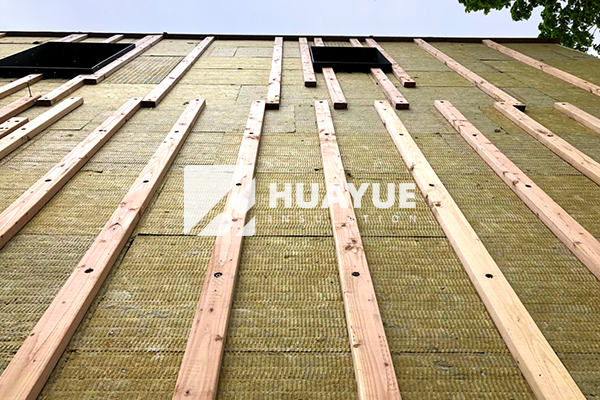
If you are building a new home or renovating an existing one, you need to think about wall insulation carefully. The right insulation keeps your home comfortable, reduces energy bills, and protects against noise. Rock wool insulation has become my go-to recommendation for wall projects. It is made from natural volcanic rock and recycled steel slag. The manufacturing process creates a product with tiny air pockets that trap heat effectively.
Is ROCK WOOL insulation good for walls?
I often recommend rock wool to homeowners who want the best balance of performance and value. Many people worry about keeping their homes warm in winter and cool in summer. Rock wool provides excellent thermal resistance with R-values ranging from R-13 to R-23, making it ideal for standard wall cavities.
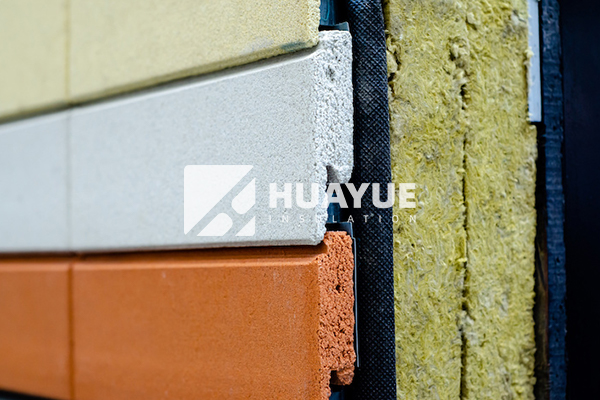
Rock wool works well in walls for several reasons. First, it has high thermal resistance, which means it slows down heat transfer effectively. Second, it is non-combustible, so it adds fire protection to your home. Third, it absorbs sound, which reduces noise from outside and between rooms. I have installed rock wool in my own walls, and the difference in comfort was noticeable within the first month.
| Feature | Rock Wool | Fiberglass | Spray Foam |
|---|---|---|---|
| R-Value per inch | 4.0-4.5 | 2.2-2.7 | 5.5-6.5 |
| Fire Resistance | Excellent | Poor | Poor |
| Sound Absorption | Excellent | Poor | Good |
| Moisture Resistance | Good | Poor | Good |
| Eco-Friendly | Good | Moderate | Poor |
What are the downsides of ROCK WOOL insulation?
I want to be honest with you about the limitations of rock wool. Some homeowners have complained about higher upfront costs compared to fiberglass. The main downsides are higher material cost, heavier weight, and potential skin irritation during installation.
Rock wool costs more than fiberglass insulation. A standard wall cavity might cost $1-2 more per square foot with rock wool. The product is also heavier, which makes it slightly harder to handle during installation. I always wear gloves and long sleeves when working with rock wool because the fibers can irritate your skin. You need to use proper protective gear.
| Drawback | Impact | Mitigation |
|---|---|---|
| Higher cost | 20-30% more than fiberglass | Long-term energy savings offset initial investment |
| Heavier weight | Requires more support | Use proper framing and support clips |
| Skin irritation | Temporary itching | Wear gloves, long sleeves, and eye protection |
| Moisture issues | Can lose effectiveness if wet | Install vapor barrier properly |
Do you need an air gap with ROCK WOOL?
I get this question from almost every client who chooses rock wool. The short answer is no, you do not need an air gap. Unlike some insulation types, rock wool can be installed tightly against other materials without losing its effectiveness.
Rock wool is different from rigid foam insulation. You do not need to leave a gap for air circulation. In fact, tight installation is better because it eliminates air gaps that reduce performance. I always make sure the insulation fills the entire cavity without gaps or compression. The fibers maintain their structure and air pockets even when pressed against sheathing or drywall.
Do mice chew through ROCK WOOL insulation?
This is one of the most common questions I hear from homeowners in rural areas. Mice are a real problem in many homes. Mice cannot chew through rock wool because the fibers are too dense and sharp for their teeth.
Unlike fiberglass, which mice can nest in, rock wool is not an attractive material for rodents. The fibers are rigid and tend to break apart rather than bend. When mice try to chew through rock wool, they find it uncomfortable and give up. I have inspected many homes with rock wool insulation and rarely find rodent damage compared to fiberglass installations.
| Pest | Rock Wool Response | Fiberglass Response |
|---|---|---|
| Mice | Cannot chew through | Will nest in it |
| Rats | Avoid material | Can damage easily |
| Insects | No food value | Can infest |
| Termites | Non-attractive | May attract |
Conclusion
I have tested rock wool insulation in many wall projects over the years. It remains my top recommendation for homeowners who want lasting performance. Rock wool offers the best overall value for wall insulation when you consider thermal performance, fire safety, soundproofing, and pest resistance.
The initial cost is higher, but the long-term benefits far outweigh the investment. Your walls will stay comfortable in all seasons, protect against fire, reduce noise, and keep pests out. If you are planning a new build or renovation, talk to your contractor about rock wool for your walls. It is a choice you will appreciate for decades.
You may also be interested in:
Ready to Get Started?
Get in touch with our experts for personalized solutions tailored to your needs.
Get Free QuoteLatest Articles
Stone Wool Sound Insulation?
Mar 23, 2026
What is R19 Kraft Fiberglass Insulation Batt?
Mar 20, 2026
What is High Density Mineral Wool?
Mar 20, 2026
Is Glass Wool the Best Choice for Sound Insulation?
Mar 19, 2026
Let's Work Together
Ready to take your business to the next level? Get in touch with our team of experts and let's discuss how we can help you achieve your goals.
Get Free Solutions