







Rock Wool R38 for Sale: Is It the Best Choice for Your Next Project?
High energy costs and strict building codes leave many looking for insulation that actually performs. Find out if R38 rock wool is right for demanding jobs, and what to expect.
Rock wool insulation is available in R38, making it ideal for ceilings, roofs, and attic retrofits where advanced thermal resistance is needed to meet US and Canadian standards.
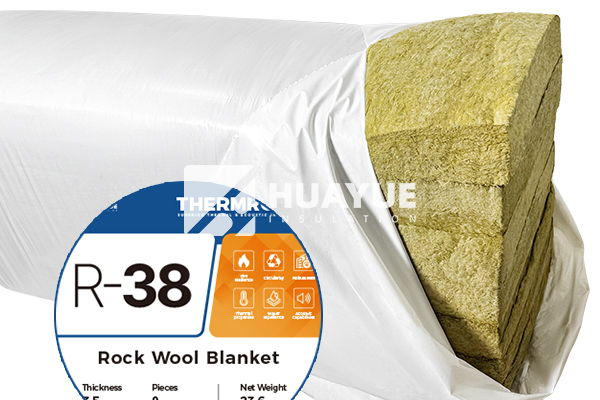
Many buyers look for top efficiency, but I always remind them to check certification first. R38 rock wool from reputable suppliers passes US and Canada testing, meets energy code targets, and works in large-scale projects. If you are a contractor, distributor, or builder, you should see how bulk orders or custom OEM blends can support unique specifications. Trusted suppliers like HUAYUE make safety, consistency, and logistics easier for teams working under tight deadlines.
Does Rock wool insulation come in R38?
Builders and contractors often ask about high-R-value options for big energy savings. The answer is clear for most modern projects.
Rock wool insulation comes in R38 thickness and density, which is made for heavy-duty applications, like attics and roof decks. Many top factories offer certified R38 rock wool to meet US and Canadian standards.
Rock wool is engineered for maximum heat resistance. R-values measure how well insulation resists energy loss, and R38 is near the top for common building uses. Contractors like me need to meet building code thermal requirements in attics and roofs, especially in harsh climates. When working with HUAYUE Group, you can request R38 thicknesses, and their exported batts are tested for performance in the US and Canada. Bulk and OEM orders allow you to source what you need for each job. Most rock wool R38 batts are cut to fit modern framing, making installation simple, while batches pass ISO and CE checks.
| R-Value | Application | Typical Thickness | Meets Code (US/CA) | Fire Resistance | Notes |
|---|---|---|---|---|---|
| R38 | Attics, Roofs | ~12 inches | Yes | Yes | Bulk, OEM, Export checks |
| R30 | Walls, Floors | ~9 inches | Yes | Yes | Basic compliance |
| R48 | Specialty jobs | ~15 inches | Sometimes | Yes | Custom order |
R38 is most common in new builds and retrofits aiming for high energy efficiency. You must confirm that your supplier supports your project volume and code paperwork.
What is the downside of Rock wool?
Cost and handling are the two most mentioned concerns from buyers, even when quality is not in question.
Rock wool can cost more than fiberglass, needs dust protection while cutting, and may shed tiny fibers if handled too roughly during installation.
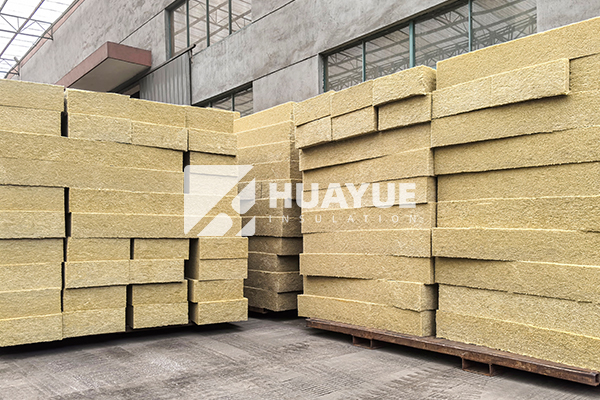
Rock wool is prized for durability, but every material has trade-offs. The price is higher because of its mineral composition, heavier density, and superior fire performance. However, many find the investment pays off later, as rock wool does not absorb water and retains its shape, which means fewer call-backs for sagging or loss of insulation value. Skilled installers use gloves and masks since fibers can irritate eyes and skin. That said, modern production methods and packaging from OEM brands like HUAYUE minimize airborne fibers during shipping and storage. Still, rock wool is heavier than other types and may call for stronger support structures or special fasteners in ceiling jobs.
| Downside | Description | Solution |
|---|---|---|
| Price | Higher initial cost than some insulations | Long-term savings |
| Handling | Requires PPE, can itch or irritate | Use gloves, masks |
| Weight | Heavier to move, install | Prepare supports |
| Cutting | May need sharper tools, generates dust | Wet cut, ventilate |
Weighing cost versus lifetime value is key, so I advise builders to see total project costs, not just up-front quotes.
Is R38 insulation worth it?
Property managers and builders ask if the steep price of R38 insulation actually saves money and boosts comfort over time.
R38 insulation is worth it in regions with extreme temperatures, delivering big energy savings, better comfort, and longer material life than lower R-value alternatives.
Many people I work with want to see proof before upgrading. R38 insulation means less heat escapes in winter, less cooling is lost in summer, and HVAC systems work less. Energy bills drop, and indoor spaces stay more comfortable year-round. Modern building codes in the US and Canada often require R38 in attic and roof areas, especially in cold zones. Upfront costs seem high, but the payback comes through lower fuel use, tax credits, and fewer repairs. Rock wool R38 outlasts foam and fiberglass because it does not absorb moisture, settle, or shrink. Brands like HUAYUE build R38 batts and rolls to exact code specs, so crews spend less time customizing on-site.
| Benefit | Description | Estimated Payback |
|---|---|---|
| Energy savings | Up to 25% lower bills in cold climates | 3–7 years |
| Comfort improvement | More stable indoor temperature | Immediate |
| Moisture resistance | Prevents mold, maintains R-value | Lifetime |
| Fire safety | Won’t burn, slows fire spread | Added protection |
| Compliance | Passes inspections, qualifies for rebates | Annual savings |
You invest more up front, but total costs drop long-term, and residential or industrial buildings meet stricter codes, faster.
Will rodents nest in Rock wool?
Facility managers worry about pest damage, especially in warehouses, chemical plants, or storage tanks.
Rodents rarely nest in rock wool because its dense mineral fibers deter burrowing and do not provide food or water to pests.
Rock wool’s composition is a huge advantage in industrial and commercial settings. I maintain several buildings and tanks, and pest control is a critical issue. Unlike organic insulation (like cellulose or even some untreated fiberglass), rock wool is made from basalt and slag, fused and spun into tough batts that rodents avoid. The fibers cannot be chewed, do not taste good, and do not trap moisture. Rock wool sheds water, so nests do not stay warm or comfortable. HUAYUE’s batches are designed for demanding customer specs, passing both US and EU safety reviews. For high-value tanks and process plant insulation, using rock wool not only meets regulations but also saves on long-term repairs linked to pest damage. Many pest inspectors recommend mineral insulation for remote sites or chemical storage, where contamination can be costly.
| Insulation Type | Pest Risk | Nesting Points | Maintenance |
|---|---|---|---|
| Rock wool | Very low | No organic matter | Minimal |
| Cellulose | High | Attracts rodents | Frequent |
| Fiberglass | Moderate | Some nest risk | Occasional |
| Foam | Moderate | Can trap moisture | Possible repair |
Industrial site managers find that rock wool keeps maintenance schedules short and repair budgets easier to manage.
Conclusion
Rock wool R38 is available, passes key standards, and delivers reliable thermal, fire, and pest protection for demanding builders and facility managers.
You may also be interested in:

Ready to Get Started?
Get in touch with our experts for personalized solutions tailored to your needs.
Get Free QuoteLatest Articles


Should B2B Buyers Choose Mineral Wool Insulation?
Mar 31, 2026
Is Rock Wool a Good Choice for Acoustic Insulation?
Mar 30, 2026
Rockwool Insulation for Roof: Best Practices (2026)
Mar 27, 2026
Let's Work Together
Ready to take your business to the next level? Get in touch with our team of experts and let's discuss how we can help you achieve your goals.
Get Free Solutions