








Rock Wool Insulation Blanket: Why Is It the Best Choice for Industrial Applications?
Many engineers search for an insulation material that excels in thermal, fire, and moisture resistance but still stays strong over time. That’s a tough demand in tough environments.
Rock wool insulation blankets are used for thermal and acoustic insulation in tanks, pipes, ducts, and equipment. They reduce energy loss, resist fire, and maintain performance even in harsh industrial settings.
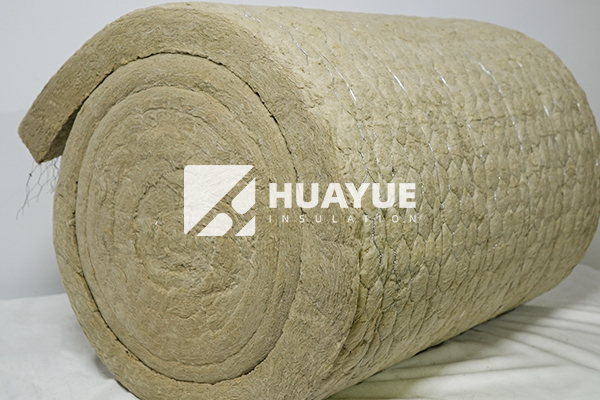
If you’re looking for a reliable insulation solution that stands the test of time, you need to see what makes rock wool insulation blankets perform so well. I’ll walk you through each critical detail based on what I’ve seen in real facilities. Let’s dig deeper than the basics and explore exactly how rock wool can solve your toughest challenges.
What is the use of a ROCK WOOL blanket?
When you manage tanks and piping, performance and safety aren’t just nice to have—they are absolute requirements. Rock wool’s reputation for safety and long-term results makes it trusted globally.
Rock wool insulation blankets prevent heat loss, noise transfer, and fire hazards on tanks, pipes, and machinery. They’re chosen because they stay stable at high temperatures, don’t burn, and resist mold or decay—even in tough environments.
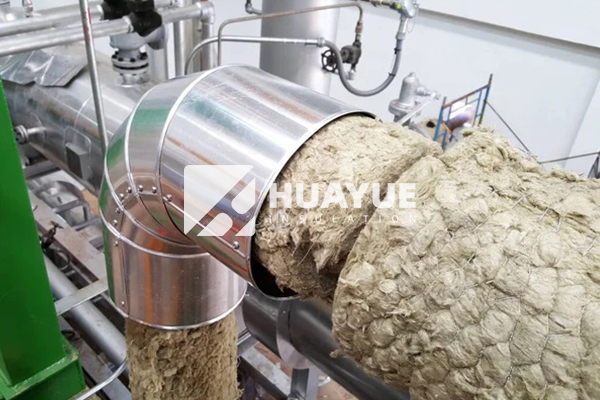
Rock wool is spun from molten basalt rock into flexible blankets. Wrapping these blankets around equipment holds heat in the system and prevents freezing, but that’s not all. When I evaluated systems with Hans, a chief plant engineer I worked beside, we found their fire resistance critical. Rock wool acts as a barrier that slows down fire spread, providing time for evacuation and reducing property loss. Its fibers absorb sound, lowering the noise level inside noisy plants or along piping runs. Since it doesn’t rot, insects and rodents avoid it. Below is a summary table of its main industrial uses:
| Application | Benefit | Why Use Rock Wool |
|---|---|---|
| Tanks/Pipes | Thermal Insulation | Keeps heat/cold consistent and lowers energy waste |
| Machinery/HVAC | Noise Reduction | Absorbs sound to create safer work environments |
| Fire Protection | Safety | Withstands >1000°C and slows fire spread |
| Process Equipment | Moisture Resistance | Doesn’t absorb water—minimizes corrosion risk |
Engineers use rock wool for cryogenic tanks too. It continues to perform, even with exposure to sub-zero temperatures or high humidity, and does not collapse or shift over decades.
What happens if rock wool blanket gets wet?
Water exposure is a concern for many insulation types. If water enters a system, damage is common. But with rock wool, the outcome is different.
Unlike fiberglass, rock wool insulation blankets shed water due to their non-wicking structure. If rock wool gets wet, it usually drains and dries without losing thickness or insulation power.
I saw this tested during a maintenance check in an outdoor tank farm. Heavy rain had forced water behind an outer cladding. We removed a section of rock wool. Most of the water slid off the fibers. After leaving the segment exposed, it dried completely with no clumping or decay. Moisture didn’t reach the steel tank surface, so there was no corrosion.
Rock wool’s fibers, made of stone, do not hold on to water. That means it drains freely and air can circulate to dry it out. In contrast, organic insulation types trap water, breed mold, and require full replacement after flooding. With rock wool, there is less downtime and lower repair costs after a water leak. Here’s a look at the resilience:
| Insulation Type | Reaction When Wet | Speed of Recovery | Mold Risk | Lasting Damage? |
|---|---|---|---|---|
| Rock Wool | Sheds, dries quickly | High | None | No |
| Fiberglass | Sags, compacts | Moderate | Yes | Sometimes |
| Foam/Cellular | Soaks, deforms | Low | Yes | Often |
It is important to address leaks quickly. Even though rock wool can recover, the presence of standing water can promote corrosion of underlying steel, so checks are always smart after a weather event.
Do I need a vapor barrier when using rock wool blanket?
Insulation performance can drop quickly if water vapor condenses inside. A vapor barrier is a key part of professional installations.
A vapor barrier is usually recommended with rock wool insulation blankets, especially in cold or humid conditions. It stops vapor from reaching cold surfaces where it could condense, preventing water build-up and corrosion.
In several projects in northern Europe, I worked with teams to design insulation for pipes carrying cryogenic liquids. We always specified aluminum foil or special-coated vapor barrier layers over the rock wool. Without this barrier, even though rock wool resists water, repeated condensation can drip onto cold metal and trigger corrosion under insulation (CUI).
Here’s when a vapor barrier becomes essential:
| Situation | Need for Vapor Barrier | Notes |
|---|---|---|
| Below ambient temps | Yes | Protects from condensation, CUI risk |
| Outdoor exposure | Yes | Wind/rain drive vapor through gaps |
| Hot surfaces indoors | Sometimes | If large humidity swings are present |
| Routine dry areas | Not required | If climate is stable, low risk |
For optimal durability, always install a vapor barrier in any setting where warm, humid air might meet cold insulation. This is a simple step that prevents expensive problems later.
What is the purpose of a rock wool insulation blanket?
Each layer in an insulation system needs to work. If the purpose isn’t clear, money and time are wasted. Rock wool insulation blankets have one clear mission.
The purpose of a rock wool insulation blanket is to stop heat flow, block fires, and prevent sound transmission, all while staying reliable in rough, wet, or hot places.
Every time I guide an engineering team through a plant expansion, I recommend rock wool for zones where we need long-term safety. For example, in chemical tanks and refineries, temperatures can swing fast and safety codes demand proven fire barriers. By using rock wool, engineers avoid breakdowns that occur with plastics. Even under heavy traffic, vibration, or decades of use, the structure holds up. This translates to fewer repairs, less downtime, and lower total operating costs.
Let’s clarify its roles:
| Core Purpose | How Rock Wool Delivers | What That Means for Asset Owners |
|---|---|---|
| Conserve Energy | High R-value, thick layers | Less energy wasted, big cost savings |
| Prevent Fire Spread | Non-combustible rock fiber | More time for escape, meets codes |
| Block Noise | Dense fiber matrix | Quieter plants, safer staff |
| Stay Strong | Stone-based, resists wear | Lasts for decades, few replacements |
Rock wool insulation blankets make complicated systems simpler. Once installed, they rarely need adjustment. For operators like Hans, who manage high-value tanks, this brings peace of mind.
Conclusion
Rock wool insulation blankets deliver energy savings, fire safety, noise control, and durability in the most demanding industrial environments. I trust them to solve insulation headaches for years.
You may also be interested in:

Ready to Get Started?
Get in touch with our experts for personalized solutions tailored to your needs.
Get Free QuoteLatest Articles



Should B2B Buyers Choose Mineral Wool Insulation?
Mar 31, 2026

Is Rock Wool a Good Choice for Acoustic Insulation?
Mar 30, 2026
Rockwool Insulation for Roof: Best Practices (2026)
Mar 27, 2026
Let's Work Together
Ready to take your business to the next level? Get in touch with our team of experts and let's discuss how we can help you achieve your goals.
Get Free Solutions