








Rock Wool High Density: What Are the Implications?
If you’re searching for a durable, high-performance insulation, you might wonder about the densest Rock wool available. Let’s uncover its advantages and concerns, straight from the field.
The densest Rock wool insulation usually exceeds 180 kg/m³. This extra density boosts fire protection, compressive strength, and resistance to physical and mechanical damage, making it the top choice for industrial and demanding building applications.
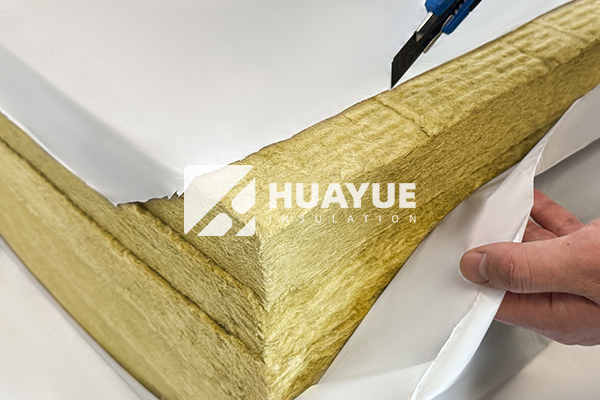
Rock wool is a specialized material. Its high density matters for safety, installation, and performance. If you’re tasked with specifying insulation for critical tanks or equipment, you know that choosing the right density affects service life, safety, and your maintenance costs. In my experience, high-density Rock wool sometimes makes installation tougher, but it performs better and lasts longer, especially under heavy load or in harsh settings. Let’s look closer at the details that matter most.
What is the densest Rock wool?
When design problems keep you up at night, every detail counts, especially when it comes to insulation density. The densest grades can make a difference in keeping operations safe and efficient, but what does "densest" really mean in Rock wool terms?
The densest Rock wool products come in at 180–200 kg/m³ or even higher. They are made for severe industrial environments, such as cryogenic tanks, power plants, and refineries, where mechanical stress and fire risk are serious. Their density provides unmatched fire resistance and structural integrity.
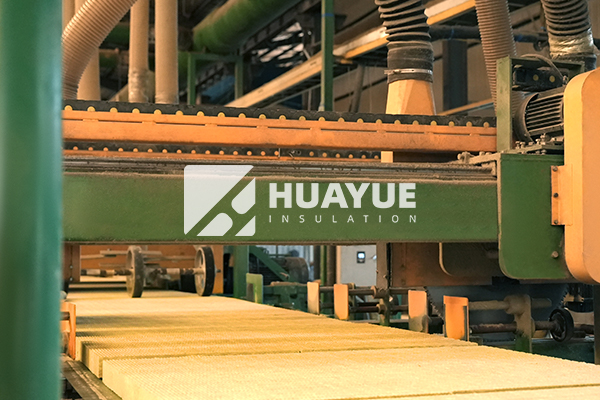
Rock wool density isn’t just about a number. I have seen three density categories used most often:
- Low density: 40–80 kg/m³. Best for sound absorption, not for heavy load.
- Medium density: 90–140 kg/m³. Suitable for general building wall or roof insulation.
- High density: 150–200+ kg/m³. Needed for industrial settings or places with high fire hazard.
Here’s a quick comparison table for clarity:
| Density (kg/m³) | Use Case | Main Properties |
|---|---|---|
| 40–80 | Acoustic solutions | Lightweight, flexible |
| 90–140 | Walls, roofs | Good heat insulation, easy fit |
| 150–200+ | Tanks, pipes, heavy industry | Best fire and compressive strength |
Choosing density depends on what the facility needs: insulation, strength, fire ratings, or a mix. I always check with project teams and safety engineers to match the Rock wool grade to actual hazards and environmental stress, not just specs on paper.
What is the downside of Rock wool?
Rock wool offers many benefits, but decision makers often ask about its disadvantages. As someone managing tank upgrades, I pay attention to these issues, especially when lifespan and costs matter.
While Rock wool is fire-resistant and durable, it can be heavier and harder to install compared to some other options. Its fibrous texture can be irritating to skin, eyes, or the respiratory system during handling, requiring PPE.
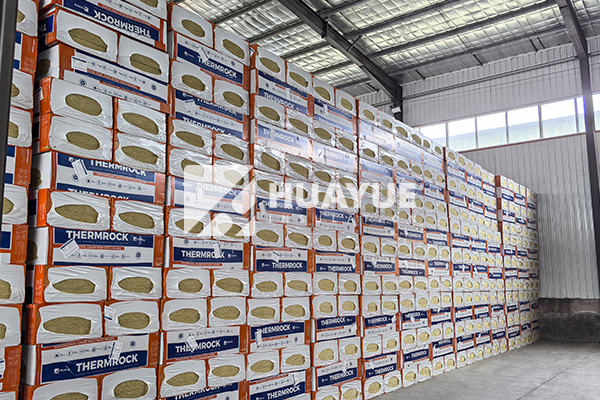
The main downsides I have observed in field projects are:
- Handling discomfort: Workers may experience itchiness. I always provide gloves, goggles, and masks.
- Heavier weight: High-density slabs are physically tougher to fit, sometimes slowing installation or needing support structures.
- Water retention: If not properly sealed, moisture can reduce long-term efficiency.
- Price: Specialized high-density grades cost more, so budgeting accurately is important.
- Cutting and shaping: It can be tough to customize on-site without right tools.
To avoid project setbacks, I train teams on safe handling, emphasize correct storage and fit, and confirm with suppliers about water-repellent options. Long term, these efforts pay off in reduced failures and lower maintenance cost—especially when corrosion under insulation is a concern.
Will mice chew through Rock wool insulation?
Many people want insulation that not only performs well but also resists animal damage. This is especially true for chemical tanks or warehouses located near rural or open environments.
Rodents like mice and rats typically do not choose Rock wool for nesting or chewing. The mineral fibers are not attractive for food or bedding, and the structure is coarse and uncomfortable for rodents.
From my experience, cases of mice damaging Rock wool insulation are rare. Here’s why:
- It contains no food value, unlike organic insulations.
- Its density and texture deter chewing or burrowing.
- Many grades are formulated without any binders or additives that would attract pests.
However, I do advise periodic inspections, especially in facilities where there is a known rodent population. I also ensure all gaps, joints, and seams are properly sealed so rodents cannot create entry points to protected spaces. Additional pest prevention steps, like physical barriers, help achieve the highest reliability for storage and tank systems.
Will Rock wool insulation dry out if it gets wet?
One critical concern for any insulation choice is how it performs when wet. In many cases, rain, leaks, or condensation introduce moisture risks, so drying ability is essential.
Rock wool is primarily made from volcanic rock, so it is non-organic and does not absorb water. If Rock wool gets wet, it will dry out with proper ventilation and drainage. It does not rot or foster mold growth.
The drying process can take time, depending on thickness, exposure, and airflow. I recommend ensuring that any insulation system is properly covered with a vapor barrier or suitable cladding. This prevents repeated wetting and speeds the drying process if water does intrude. Drips, leaks, or spills must be fixed quickly to maintain full insulation performance. Through good design and maintenance, I have found Rock wool’s resilience to moisture helps reduce the risk of long-term deterioration compared to organic insulation materials.
Conclusion
High-density Rock wool provides safety, strength, and long-term value if installed correctly. Understanding its trade-offs helps me choose the best insulation for critical applications every time.
You may also be interested in:

Ready to Get Started?
Get in touch with our experts for personalized solutions tailored to your needs.
Get Free QuoteLatest Articles



Should B2B Buyers Choose Mineral Wool Insulation?
Mar 31, 2026
Is Rock Wool a Good Choice for Acoustic Insulation?
Mar 30, 2026
Rockwool Insulation for Roof: Best Practices (2026)
Mar 27, 2026
Let's Work Together
Ready to take your business to the next level? Get in touch with our team of experts and let's discuss how we can help you achieve your goals.
Get Free Solutions