








Rock Wool Foil Faced Insulation – Why Is It a Top Choice for Demanding Projects?
Struggling to keep energy bills down and avoid insulation failures? The right insulation solves moisture, fire risk, and thermal problems all at once.
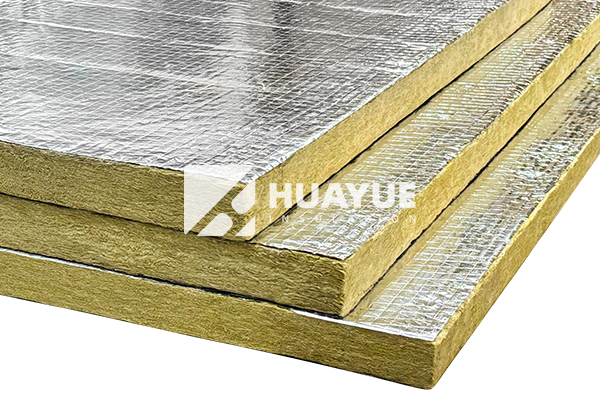
Rock wool foil-faced insulation delivers excellent thermal control, moisture resistance, and fire safety. It combines the proven benefits of rock wool with advanced foil facings for industrial, commercial, and residential walls and roofs.
If you need to manage complex wall assembly requirements, faced rock wool offers solutions for vapor control, heat shielding, and durability. I have seen many plant engineers and project managers switch to foil-faced rock wool after years of dealing with corrosion and insulation breakdowns. The right product can radically improve performance and make maintenance easier. Let’s get into the details behind foil-faced insulation and the questions I often hear on job sites.
Does ROCK WOOL make faced insulation?
Many people want to know if rock wool insulation comes with protective facings for special needs.
Rock wool is made both unfaced and with facings, including foil, fiberglass mesh, and plastic film, to suit a range of construction requirements.
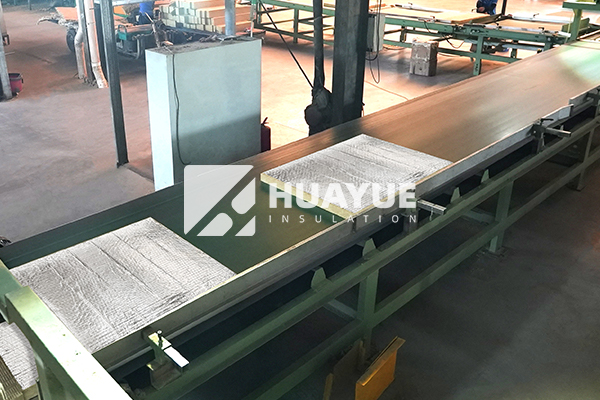
Rock wool is produced by melting basalt and other minerals, then spinning the fibers into mats and panels. Manufacturers can leave these products unfaced or add a special facing to boost performance for a given application. The most popular facings—aluminum foil, fiberglass mesh, and plastic film—are all available for external wall, roof, and industrial tank insulation.
Foil-faced rock wool includes an aluminum layer securely laminated to one side. This foil adds a vapor barrier and reflects radiant heat. For rooms or tanks exposed to humidity, the foil facing prevents water vapor from passing through, supporting long-term insulation strength. It is essential for projects with strict condensation, corrosion protection, or energy codes.
Fiberglass mesh and plastic films give other installation and durability options. Mesh-faced rock wool is better for render systems where extra toughness matters. Plastic film offers minimal moisture defense and is sometimes chosen for lightweight interior walls.
The type of facing needed depends on the building’s climate, exposure, and required certifications. I always tell customers: rule out unfaced insulation if vapor, corrosion, or flame performance are a concern. Work closely with your supplier to identify the correct facing for your specific use case.
| Facing Type | Function | Common Uses |
|---|---|---|
| Aluminum Foil | Vapor, heat, fire | Walls, roofs, tanks |
| Fiberglass Mesh | Strength, ease | EIFS, render systems |
| Plastic Film | Basic moisture | Interior walls |
Is foil-faced insulation better?
Project managers often ask if foil-faced insulation is the best way to improve wall or tank longevity and safety.
Foil-faced insulation outperforms standard insulation for moisture control, radiant heat resistance, and fire safety. It is best in humid areas, highly regulated sites, and heat-exposed systems.
Adding a foil layer to rock wool means the material stops both vapor and radiant energy. In humid climates, this prevents condensation inside wall and tank assemblies. In hot environments, the radiant barrier blocks sunlight or process heat from raising room temperatures. These improvements lead to lower energy costs, better comfort, and fewer maintenance problems.
Foil-faced rock wool insulation supports current fire codes since both rock wool and aluminum foil are non-combustible. The foil’s shiny surface repels flames and does not add smoke. It also resists rodents, insects, and basic chemical attack, a key concern for chemical and food processing plants.
Foil-faced insulation sometimes costs more than unfaced versions. However, it is often mandatory in specifications for industrial tanks, cold storage, or buildings with serious moisture threats. The long-term savings usually outweigh the upfront cost. My own experience shows that foil-faced insulation helps avoid expensive CUI (corrosion under insulation) issues and keeps systems running efficiently.
| Benefit | Foil-Faced | Unfaced |
|---|---|---|
| Vapor Protection | Yes | No |
| Radiant Barrier | Yes | No |
| Fire Resistance | Highest | High |
| Mold/Corrosion Risk | Lowest | Higher |
| Energy Saving | Greater | Good |
| Maintenance Needs | Reduced | Standard |
What are the disadvantages of reflective foil insulation?
Some users notice issues after installing reflective foil insulation. They ask if there are any risks for their projects.
Reflective foil insulation can trap moisture if installed wrong, create air sealing challenges, and may cost a bit more than basic insulation types.
Moisture can accumulate behind foil if wall joints aren’t sealed. The vapor barrier works too well, stopping all water movement and sometimes trapping humidity from the inside. When condensation builds up, it can freeze or cause hidden corrosion. Installers need to tape and seal every seam for best results.
Occasionally, foil can make cutting, fitting, and fixing insulation harder. It is stiffer and less flexible than plastic film or mesh facings. In fast-paced installs or retrofit jobs, mistakes can happen—small gaps allow water vapor to sneak behind the barrier.
If a wall system needs to “breathe”, like some brick or block constructions, foil-faced insulation may not be suitable. It sometimes makes rooms stuffy by trapping even minor humidity.
While foil solutions cost more, they are usually necessary for moisture and fire risk protection. I advise customers to compare full life-cycle costs, factoring in energy savings and less frequent repairs.
| Disadvantage | Impact |
|---|---|
| Moisture Trapping | Mold/Corrosion |
| Install Difficulty | More labor/time |
| Less Breathability | Trapped humidity |
| Added Cost | Higher upfront spend |
Which way should foil insulation face?
Many installers ask which direction the foil should point for best effect.
Always face foil towards the warm side: inward in cold climates, outward in hot climates. This ensures vapor and radiant protection works as intended.
The aluminum foil reflects radiant heat, and blocks vapor movement. In winter climates, it needs to point toward the heated side—usually inside—so room moisture cannot get into the cold walls. In hot summer or tropical areas, the foil should face outward to reflect sun away from the building.
Putting it the wrong way can lead to condensation and worse comfort. Always double-check before installation, and confirm with your building inspector when in doubt.
| Climate Zone | Foil Facing Direction |
|---|---|
| Cold/Temperate | Faces inward (Warm side) |
| Hot/Tropical | Faces outward (Sun side) |
| Industrial Tanks | Usually outward |
Conclusion
Rock wool foil-faced insulation maximizes protection from heat, moisture, and fire, and is trusted by industry professionals for reliable performance and easy long-term maintenance.
You may also be interested in:

Ready to Get Started?
Get in touch with our experts for personalized solutions tailored to your needs.
Get Free QuoteLatest Articles



Should B2B Buyers Choose Mineral Wool Insulation?
Mar 31, 2026
Is Rock Wool a Good Choice for Acoustic Insulation?
Mar 30, 2026
Rockwool Insulation for Roof: Best Practices (2026)
Mar 27, 2026
Let's Work Together
Ready to take your business to the next level? Get in touch with our team of experts and let's discuss how we can help you achieve your goals.
Get Free Solutions