








Rock Wool Fire Stopping: Is It the Ultimate Solution for Fire Protection in Industrial Tanks?
The risk of fire in industrial tanks keeps every plant engineer up at night. Delays or wrong insulation choices can cause damage, loss, or safety issues.
Rock wool can serve as an excellent firestop material. It withstands high temperatures, does not burn, and helps prevent the spread of flames between compartments, making it a reliable choice for passive fire protection.
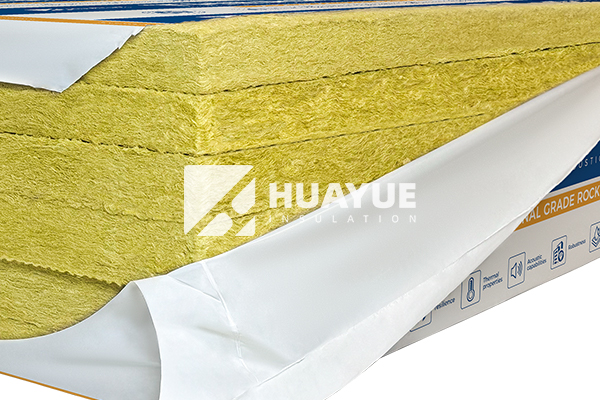
Protecting valuable assets from fire damage is an important goal in every industrial project. Rock wool promises solid safety benefits, but it is useful to check how it performs and what you need to watch out for before making investment decisions. Read on to find out all the facts.
Can ROCK WOOL be used as a firestop?
Fire can spread quickly through any weak spot in insulation. Missing or poor firestops make this spread much faster, putting entire systems at risk.
Yes, rock wool can be used as a certified firestop material in walls, floors, and around pipes and tanks. Its high melting point and non-combustibility meet fire safety standards required for industrial and commercial use.
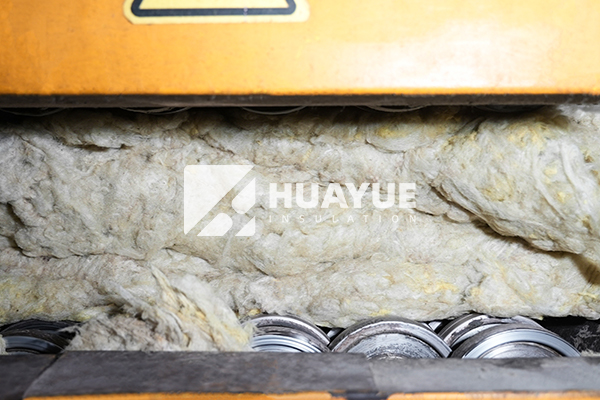
Rock wool works well as a firestop for several reasons. It is made from basalt or other volcanic rock. I have seen how it is heated above 1000°C and spun into fibers. It does not burn or support combustion. Rock wool can fill gaps and seal penetrations, creating a barrier that stops flames and hot gases from moving from one section to another. In my projects, I often see it used around cable trays, pipes, and construction joints. Building codes welcome rock wool because it helps structures meet tight fire resistance ratings. There are different product forms, such as slabs, pre-cut boards, or pipe sections, depending on the application. Here is a table comparing common uses:
| Application Area | Rock Wool Form | Fire Rating Hours |
|---|---|---|
| Tank walls & ceilings | Slabs/boards | 2–4 |
| Pipe & duct penetrations | Pipe sections | 2–3 |
| Construction joints | Strips/batts | 1–2 |
Many manufacturers test and certify these firestop solutions according to standards like EN 1366 or ASTM E814. The high performance of rock wool in these tough tests gives engineers confidence that it works in real emergencies.
Does ROCK WOOL prevent fires?
Nobody wants a fire to start at all. The best insulation is one that not only limits damage but helps stop the fire before it gets far.
Rock wool does not ignite and can stop a fire from growing at critical moments. While it does not actively prevent ignition, it blocks flames, slows heat transfer, and contains fires, thus protecting assets and lives.
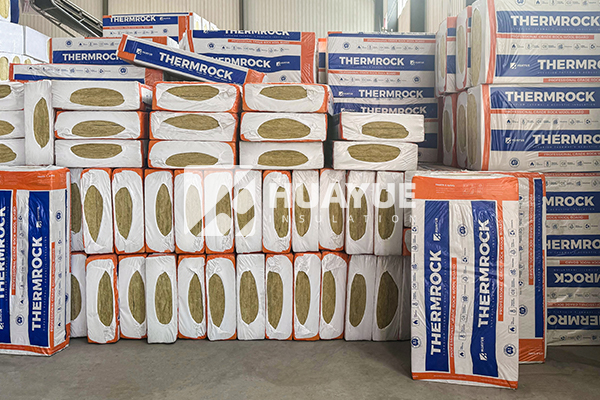
Rock wool makes tanks, walls, and mechanical spaces much safer when used as insulation and firestopping. The material’s structure is dense and interlocked, so flames or hot gases cannot find clear paths. When it is installed tightly, rock wool holds its shape and performance, even when exposed to direct fire. I remember testing firestops filled with rock wool and seeing them stand up to blowtorch-level heat without shrinking, melting, or allowing smoke leaks.
Unlike organic materials that can smolder or burn, rock wool only glows at around 1000°C, making it one of the safest options for passive fire defense. It acts as a thermal barrier—if fire hits the outside of a tank, the inside remains cool for much longer. This not only protects the structure but also gives first responders extra time to act. But remember, rock wool does not make any space ‘fireproof.’ It should always work as part of a complete fire safety plan that also includes alarms, active suppression, and regular inspections.
What is the downside of ROCK WOOL?
No insulation is perfect. You have to know the possible problems so you can plan your project for success and avoid surprises later.
The main downside of rock wool is that it can shed fibers during installation, which may irritate skin and lungs. It can also absorb moisture if not properly sealed, leading to reduced performance or corrosion issues.
When I first handled rock wool, I noticed two key issues. Handling the loose fibers made my hands itchy and sometimes left me coughing without proper PPE. While modern products are much improved and usually contain less dust, it is essential to wear gloves, long sleeves, and a dust mask during installation. This limits discomfort and health risks, especially during big jobs.
The other problem is moisture. Rock wool itself does not support mold or rot, but if water gets into the fibers, it can lessen its insulation power. Water trapped under the metal jacketing can even lead to corrosion under insulation (CUI)—a real headache for tank owners like Hans. To fix this, manufacturers recommend always using vapor barriers or weatherproof jacketing for outdoor or high-moisture uses. For tanks and pipes running at or below dew point temperature, this is non-negotiable.
Here’s a quick table summarizing the pros and cons:
| Benefit | Downside |
|---|---|
| Fire resistance | Itchy fibers |
| High sound absorption | Needs vapor barriers |
| Good mechanical strength | Proper PPE required |
| Mold-resistant | Higher material cost |
All insulation has trade-offs. Knowing and planning for them lets you get the safety and value you need from your project.
Can mineral wool be used for fire blocking?
Industrial tanks often need barriers inside walls or at floor/ceiling lines to stop fire from moving fast through hollow spaces. Here, mineral wool’s role gets questioned.
Yes, mineral wool, which includes rock wool and slag wool, is widely accepted as a fireblocking material. It fills hidden cavities and blocks fire and smoke from spreading through wall assemblies and building openings.
Mineral wool’s use as a fire block comes from its natural properties. It has a structure that is non-combustible and built to stop air, heat, and flame in their tracks. Many building codes mention mineral wool as a listed fire block in wood, steel, or concrete assemblies. In my projects, fire officials inspect wall cavities, pipe chases, and ceiling voids, making sure mineral wool blocks any open path. Missing or poorly installed fire stop material lets a fire race behind walls, causing system failures that could have been prevented.
Rock wool, as a subset of mineral wool, often goes beyond code demands. Its higher melting point (around 1000°C) and easy installation with friction fit make it popular—even for retrofits into old tanks or mechanical rooms. For large tanks, I have used mineral wool slabs around pipe entries, then sealed openings with intumescent caulk. This stops smoke and heat migration through every gap, reducing risk to both equipment and staff. It comes down to fit and detail—the better the seal, the less risk of a ‘hidden’ fire spreading undetected.
Conclusion
Rock wool offers strong fire stopping and fireblocking performance for industrial tanks, but you need proper design and installation to manage handling and moisture issues for best results.
You may also be interested in:

Ready to Get Started?
Get in touch with our experts for personalized solutions tailored to your needs.
Get Free QuoteLatest Articles



Should B2B Buyers Choose Mineral Wool Insulation?
Mar 31, 2026

Is Rock Wool a Good Choice for Acoustic Insulation?
Mar 30, 2026
Rockwool Insulation for Roof: Best Practices (2026)
Mar 27, 2026
Let's Work Together
Ready to take your business to the next level? Get in touch with our team of experts and let's discuss how we can help you achieve your goals.
Get Free Solutions