








R19 Crawl Space Insulation: Is It the Right Choice for Your Home?
Are you struggling with cold floors, high energy bills, or damp crawl spaces? Discover how R19 insulation might solve these problems simply and effectively.
R19 insulation is suitable for crawl spaces in most moderate climates, helping maintain indoor comfort, preventing moisture issues, and improving energy efficiency. For colder regions or specific needs, higher R-values may be required.
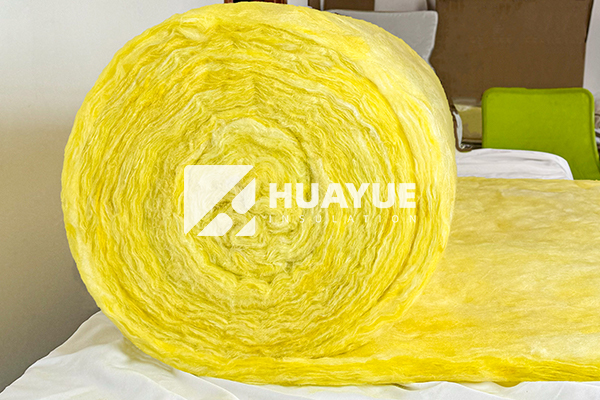
Many people want to know if R19 insulation is good for their crawl space. If you are thinking about updating your insulation, keeping your home comfortable and your bills lower, read on. I will answer all the key questions about R19 crawl space insulation below.
Is R19 insulation good for crawl space?
Cold floors and energy loss from a crawl space can be frustrating. You want your home comfortable and you want to spend less on heating.
R19 insulation is effective for crawl spaces in areas with mild to moderate winters. It stops heat loss through the floor and helps prevent moisture from entering living spaces. For very cold regions, consider a higher R-value.
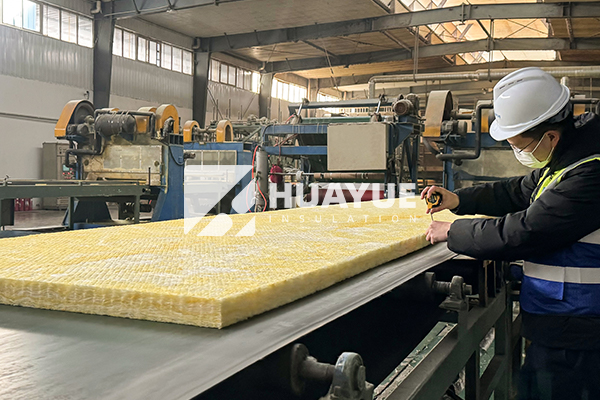
When I look at crawl space insulation needs, I think about energy cost, comfort, and lifespan. R19 is a common choice, meeting many building codes for floors above crawl spaces. It is thick enough to provide good thermal resistance, but it might not be enough in extra cold places. If you live somewhere with freezing winters, a higher rated insulation like R30 might be better. But for most homes, especially in temperate regions, R19 makes a big difference. It cuts drafts and makes indoor floors feel warmer. It also slows heat loss, so your heating system does not have to work as hard. R19 is also easy to handle and install, available in batts or rolls that fit most joist spaces. I always recommend checking your local code before installing. You want a solution that balances cost, effectiveness, and long-term stability. R19 insulation is also good at keeping out moisture, so it reduces mold risk. If your crawl space was drafty or damp before, you will notice an improvement after installation.
What R-value is best for crawl space?
Every home sits in a unique climate. Your insulation needs depend on how much cold, heat, and moisture enter your crawl space.
The best R-value for crawl space insulation depends on climate zone. In moderate climates, R19 is good. In colder regions, R30 or higher is recommended for maximum energy savings.
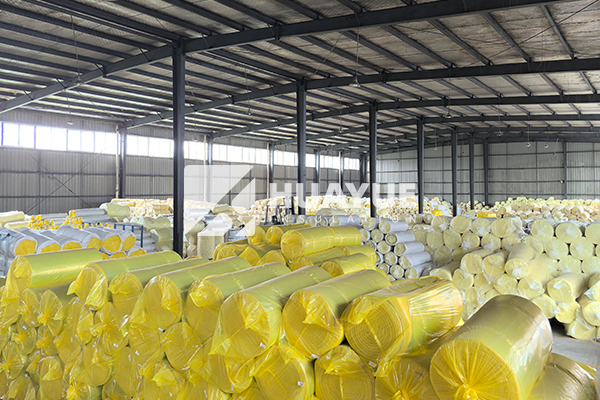
I find that building codes often tell homeowners what R-value to use, but codes vary depending on where you live. In states with mild winters, R13 to R19 might be enough. Further north, you will see codes recommend R25, R30, or even R38 for floors above crawl spaces. If you want maximum savings, use the highest rated insulation your budget allows. Higher R-value means thicker insulation, more comfort, and better efficiency, but it costs more up front. There is always a balance between investment and returns. Here is a simple table to guide your decision:
| Climate Zone | Recommended R-value |
|---|---|
| Warm (South US) | R13 – R19 |
| Temperate (Mid US) | R19 – R25 |
| Cold (North US) | R25 – R30+ |
When I help clients insulate crawl spaces, I look at three things: local codes, energy bills, and how cold the floor gets. If your floor feels cold or your crawl space is damp, consider a higher R-value. For most homeowners, R19 is a good starting point.
How many sq ft does a bag of R19 insulation cover?
Budgeting for your project means knowing exactly how much insulation you need. It’s easy to miscalculate and end up short.
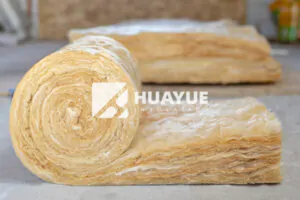
A standard bag of R19 insulation typically covers around 87 to 130 square feet, depending on the width and thickness of the batts or rolls.
Working out how much R19 insulation you need is simple if you measure your crawl space accurately. Manufacturers pack insulation in bags, usually sized to fit between standard joists. Before buying, measure the floor area of your crawl space in square feet. Divide that number by the square foot coverage of each bag listed on the manufacturer’s label. Most bags are labeled for coverage, like 87 square feet for 16-inch batts or about 130 square feet for 24-inch batts. R19 insulation comes in varying widths and lengths, so check the specs. Here is a quick reference:
| Insulation Width | Coverage per bag (sq ft) |
|---|---|
| 16 inches | 87 |
| 24 inches | 130 |
When I advise clients, I always recommend buying a little extra to account for cutting and fitting pieces around joists, pipes, or vents. It’s better to have a small surplus than run short during installation.
What is the best insulation for under a crawl space?
Your crawl space needs insulation that lasts through moisture, cold, and even pest challenges. Not all insulation types perform equally since conditions vary.
Foam glass, closed-cell spray foam, and fiberglass batt insulation are the best choices for crawl spaces. Foam glass offers superior moisture resistance and long-term stability. Choose based on climate and budget.
When I help clients select insulation, I consider more than just R-value. Moisture resistance matters most under crawl spaces, where condensation and dampness are common. Foam glass is excellent because it does not absorb water. It resists mold, offers fire protection, and supports long-term reliability. Closed-cell spray foam creates a tight seal, keeping moisture and air out, but it costs more and needs professional installation. Fiberglass batts, including R19, are affordable and easy to install. They work well but must be paired with a vapor barrier to stop dampness.
Here is a comparison table for crawl space insulation materials:
| Insulation Type | Pros | Cons |
|---|---|---|
| Foam Glass | Moisture-proof, lasts forever, strong | Costs more, limited availability |
| Closed-cell Spray Foam | Seals tight, good R-value, mold-proof | Pricey, needs pro installer |
| Fiberglass Batts | Cheap, easy to install, good R-value | Needs vapor barrier, can sag or absorb water |
When choosing the best insulation, I always weigh cost, installation ease, and durability. For high-risk areas, foam glass is my top pick. For everyday renovations, R19 fiberglass batts offer a good starting point. If your crawl space is prone to water or extreme climate, foam glass will outperform in the long run.
Conclusion
R19 insulation is a smart, balanced choice for many crawl spaces. It brings comfort, efficiency, and reliability. For colder regions, or moisture-prone areas, consider upgrading to foam glass or higher R-values.
You may also be interested in:

Ready to Get Started?
Get in touch with our experts for personalized solutions tailored to your needs.
Get Free QuoteLatest Articles


Is Fiberglass Insulation Harmful?
Mar 3, 2026

Let's Work Together
Ready to take your business to the next level? Get in touch with our team of experts and let's discuss how we can help you achieve your goals.
Get Free Solutions