








Pink Batts Underfloor Insulation: Should You Use It for Your Home?
It is easy to forget what’s under your feet, but ignoring underfloor insulation leads to higher bills and colder rooms.
Pink Batts underfloor insulation can significantly boost comfort and energy efficiency in your home. It reduces heat loss through floorboards, making living areas warmer in winter and cooler in summer.
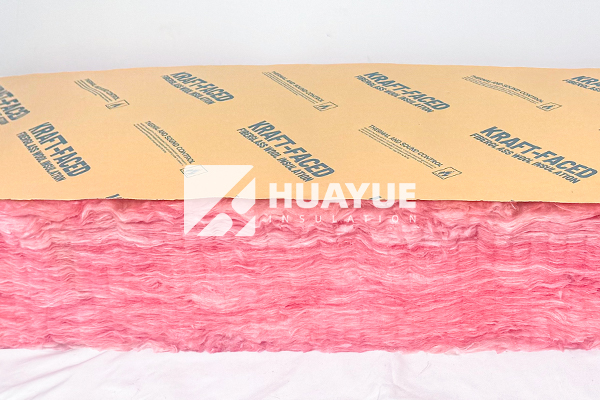
Most people focus on wall and roof insulation, but flooring matters as much. Without proper underfloor insulation, all the efforts upstairs count for less. I remember working on an older house where the living room felt icy—until we tackled the floors. It transformed the space. Adding insulation can mean you walk barefoot indoors all year. The right choice brings lasting comfort, lower energy costs, and extra peace of mind. Let’s go deeper into how Pink Batts underfloor insulation actually works for you.
What insulation is best for under floors?
Floors often get ignored, but neglecting insulation underfoot leaves homes cold and drafty.
The best underfloor insulation combines good thermal resistance (R-value), moisture control, durability, and ease of installation. Glass wool batts, such as Pink Batts, are widely recommended for timber floors.
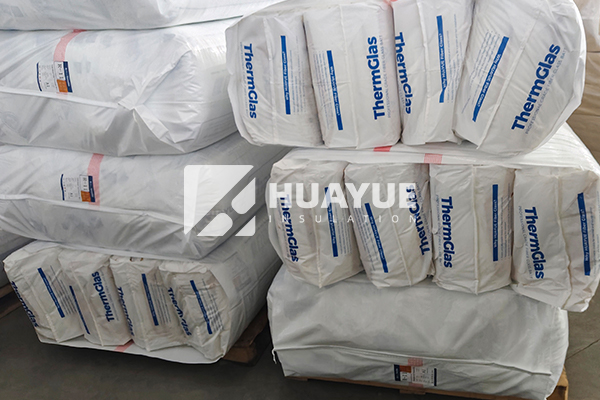
There are many options for underfloor insulation, including glass wool batts, polyester rolls, foil-faced insulation, and rigid foam boards. I have used Pink Batts on many jobs because they fit snugly between joists and resist moisture well. This matters, especially in humid climates or under suspended timber floors. They stay in place without sagging if installed properly and keep their effectiveness for years.
Here’s a table breaking down common underfloor insulation types:
| Type | Pros | Cons |
|---|---|---|
| Glass Wool Batts (Pink Batts) | Good R-value, non-combustible, easy to fit | Itchy to install, needs PPE |
| Polyester Batts | Soft, non-irritant, easy to cut | Slightly lower R-value |
| Foil Insulation | Reflects heat, moisture barrier | Can lose effectiveness if pierced |
| Rigid Foam Boards | High R-value, moisture-resistant | Harder to install, costly |
I found that Pink Batts remain durable even after years in place. They don’t attract pests or harbor mold, and the installation is straightforward if you follow the instructions. The right insulation is the one that fits your home’s needs, budget, and climate zone.
What is the best R-value for underfloor insulation?
Choosing the wrong R-value means poor insulation and wasted money.
For most homes, an R-value of R2.0 to R2.5 is ideal for underfloor insulation. Higher values are better for colder climates.
The R-value measures an insulation’s effectiveness: higher values mean better insulation. In my experience, R2.0 or greater works well for timber floors in temperate zones. For colder regions, I use R2.5 or even R3.0. You get more comfort and lower heating costs. Choosing the best R-value depends on where you live and your home’s needs.
| Region/Climate | Recommended R-Value for Underfloor Insulation |
|---|---|
| Mild/Temperate | R1.8–R2.0 |
| Cool/Cold | R2.5–R3.0 |
| Alpine or Very Cold | R3.0+ |
R-values aren’t everything, though. Proper installation seals gaps and avoids heat bridges. I once upgraded a friend’s house from R1.5 to R2.5 batts and found the living room no longer felt drafty during winter winds. The higher R-value definitely made a difference, but the real improvement came from fully blocking air leaks during installation.
Is under floor insulation worth it?
Many homeowners skip underfloor insulation, thinking it doesn’t matter, then wonder why floors stay cold in winter.
Yes, underfloor insulation is absolutely worth the investment. It increases comfort, saves energy, and often pays back the cost within a few years through lower power bills.
I used to be skeptical myself until I installed insulation in my own house. The difference was immediate: floors didn’t feel icy, rooms warmed up faster, and my power bills noticeably dropped. Proper underfloor insulation traps heat on cold nights and keeps rooms cooler in summer. It also helps with soundproofing and moisture control under timber floors.
| Benefit | Description |
|---|---|
| Comfort | Warmer floors, reduced drafts |
| Energy Savings | Lower heating/cooling costs |
| Moisture Control | Helps prevent condensation/mold |
| Soundproofing | Reduces noise between floors |
You feel the benefits every day—walking barefoot after sunrise, hearing less outside noise, and not dreading heating costs in winter.
How to attach insulation under a floor?
Installation mistakes waste money and make insulation ineffective.
Attach Pink Batts underfloor insulation by fitting batts snugly between joists and supporting them with plastic strapping, insulation clips, or mesh.
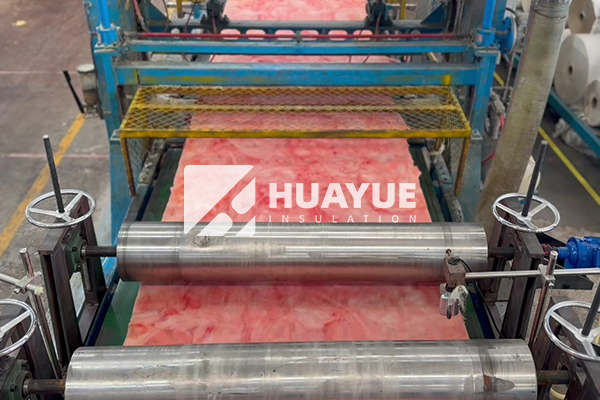
The process is simple, but attention to detail is key. First, I always measure the cavity width and choose the right size batts to ensure a tight fit. Gaps reduce effectiveness and let drafts in. Next, place batts between the floor joists, ensuring they fill the space completely. To hold them in place, you can staple plastic mesh or netting along the joist bottoms. Some installers use strapping or purpose-made clips. These supports prevent the insulation from sagging or moving over time.
Here is a quick step-by-step guide:
- Wear protective gear (gloves, mask, long sleeves).
- Measure width between joists.
- Cut batts to fit if needed.
- Push batts into place; make sure they reach both sides of the cavity.
- Fasten mesh, netting, or clips to support the batts.
- Check for gaps and fill as needed.
Good installation makes all the difference. I’ve seen rushed jobs where insulation sags and loses its value. Taking the extra time to secure batts well pays off in comfort and energy savings for years.
Conclusion
Pink Batts underfloor insulation brings comfort, efficiency, and savings by keeping floors warm, blocking drafts, and lowering energy bills over the long term.
You may also be interested in:
Ready to Get Started?
Get in touch with our experts for personalized solutions tailored to your needs.
Get Free QuoteLatest Articles


Should B2B Buyers Choose Mineral Wool Insulation?
Mar 31, 2026
Is Rock Wool a Good Choice for Acoustic Insulation?
Mar 30, 2026
Rockwool Insulation for Roof: Best Practices (2026)
Mar 27, 2026
Let's Work Together
Ready to take your business to the next level? Get in touch with our team of experts and let's discuss how we can help you achieve your goals.
Get Free Solutions