





Mineral Wool Wall Insulation: Is It Right For Your Building?
Many building owners worry about keeping walls energy efficient—but picking the right insulation material can be confusing.
Mineral wool wall insulation offers strong fire resistance and soundproofing while keeping energy costs lower. It fits most walls easily, does not burn, and resists pests or mold when installed properly.
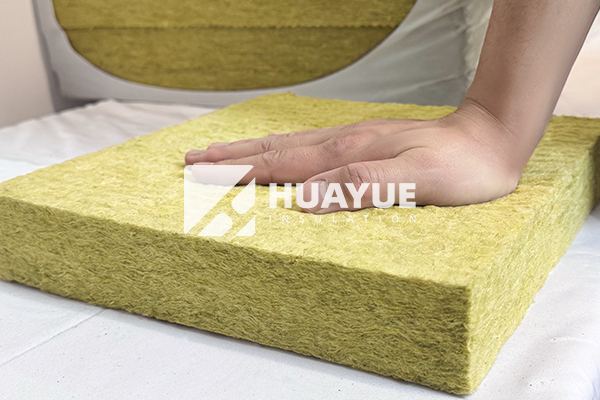
Choosing the correct insulation means better comfort, improved safety, and long-term savings. I have seen that building engineers and plant managers face tough choices on insulation material. Mineral wool is popular, but not always perfect. Let’s look at what you need to know to decide if it fits your requirements.
What are the disadvantages of mineral wool insulation?
While mineral wool is a solid choice for many projects, some problems can worry builders—like dust, handling, or installation mistakes.
Mineral wool insulation can be irritating to handle, may produce airborne fibers, and may settle over time if not properly installed, slightly reducing its efficiency. It can also cost more than fiberglass insulation.
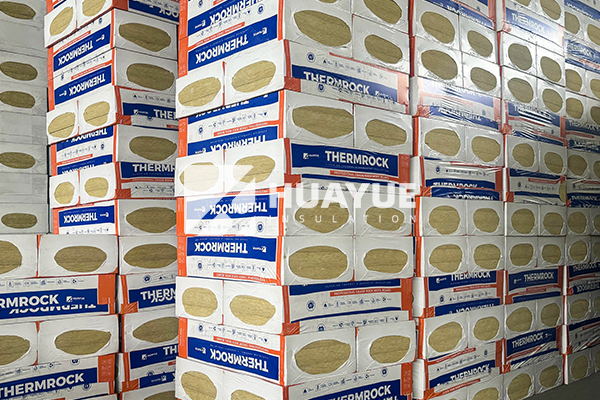
Mineral wool begins as rock or slag heated and spun into fibers. These fibers give it strength but also make handling tough for many workers. If handled without gloves or masks, it may irritate skin, eyes, or lungs. I remember the first time I installed mineral wool—my hands itched and my sleeves felt scratchy for days. The material can create dust, especially if cut in the field. Some projects need extra cleanup or personal protective equipment.
Minimizing dust is important. Using special cutters or sealing panels in place can help. Proper installation is key; panels or batts must fit tightly so they do not sag inside wall cavities. Gaps or poor coverage reduce insulation performance. Sometimes, insulation can settle or compress after several years if installed carelessly, leaving cold spots.
Compared to fiberglass, mineral wool can be slightly more expensive because of its material and production methods. Some builders may need to weigh initial cost against long service life and fire resistance. The table below highlights main drawbacks:
| Disadvantage | Possible Impact | Solution |
|---|---|---|
| Skin/Lung Irritation | Discomfort, nuisance, work delay | Use gloves/mask for handling |
| Airborne Fibers | Extra cleanup, in-air hazards | Careful cutting, seal edges |
| Cost | Higher upfront investment | Compare with life-cycle savings |
| Sagging (if installed poorly) | Reduced efficiency | Ensure tight, correct fit |
Do I need a vapor barrier with mineral wool insulation?
Many people ask if vapor barriers are required or not with mineral wool walls—especially in humid climates.
You do not always need a vapor barrier with mineral wool insulation, because mineral wool is vapor permeable and does not absorb moisture. Local climate, building code, and wall structure may affect this choice.
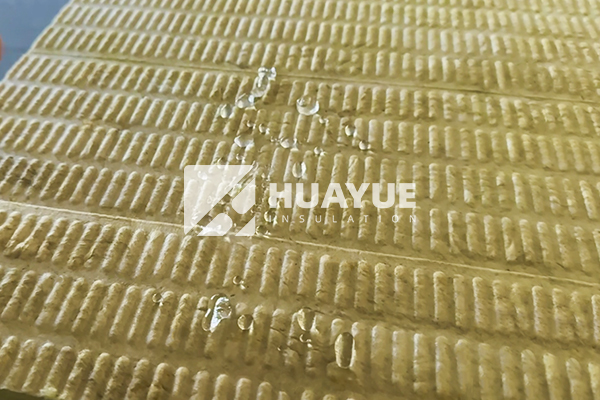
The main property of mineral wool is that it resists water and does not wick or hold moisture. This helps stop mold growth inside the wall if leaks happen. In some climates, a vapor barrier may still be needed to slow water vapor moving from warm to cold sides of a wall during heating or cooling seasons. In dry climates or with certain types of walls, codes and real-world experience show that the wall can "breathe" and release moisture without trapping it.
My experience on job sites in Germany and China matches this—engineers often discuss the stack-up of materials in the wall assembly. If a vapor barrier is used incorrectly, it can trap moisture and cause other problems, including mold or rot in wood-framed buildings. In Europe, vapor-open solutions are often preferred, letting buildings "dry out" naturally.
The table below outlines when a vapor barrier could be necessary:
| Condition | Vapor Barrier Needed? | Reason |
|---|---|---|
| Hot-humid climate, air-conditioned | Usually not needed if wall breathes | Moisture moves outward |
| Cold climate, heated buildings | Sometimes needed on warm side | Prevent moisture entering cold wall and condensing |
| Metal or concrete walls | Usually not needed | No vapor-sensitive materials present |
| Historic or wood-frame walls | Code or expert advice required | May need to prevent hidden moisture |
What is the difference between ROCK WOOL and mineral wool?
People often swap the terms rock wool and mineral wool—but are they really the same thing, or are there key differences?
Mineral wool is a general term for fibrous insulation made from minerals—it includes both rock wool (from basalt/diabase) and slag wool (from steel production slag). The main difference is the raw material source.
Many clients have asked me: "Are you selling rock wool or mineral wool?" I tell them mineral wool includes both, but the base material matters for certain performance traits. Rock wool uses natural volcanic rock, which means excellent fire resistance and high melting points. Slag wool uses byproducts from making steel. Its properties are similar but can vary depending on the slag composition. Most of the time, both types are used for thermal and acoustic insulation in buildings and industry.
There may be minor differences in performance:
| Property | Rock Wool | Slag Wool |
|---|---|---|
| Source | Basalt, diabase | Steel slag |
| Fire Resistance | Exceptional | Very good |
| Density | Usually higher | Slightly lower, can vary |
| Environmental | Natural, mined mineral | Recycled industry slag |
| Use Cases | Walls, roofs, industry | Similar to rock wool |
Today, most "mineral wool" sold in Europe is based on rock wool because of its consistency and reliability. Building codes often treat them the same, but I recommend checking technical data sheets if you have very high fire or acoustic requirements.
Can mold grow in ROCK WOOL insulation?
Worried about hidden mold or fungus in rock wool? This is a common worry for owners of chemical and industrial plants.
Rock wool insulation is highly resistant to mold and fungus because it does not absorb or hold water. Mold growth is unlikely when rock wool is installed dry and kept free from organic contamination.
I often get calls from facility managers like Hans Müller asking about long-term mold resistance. I remind them that mineral wool is made of stone—so it has no nutrients to feed mold or bacteria. If installed correctly, it sheds water and dries out quickly if any moisture intrudes. Mold problems usually only happen if there are organic contaminants present—like dust, paper, or wood in the assembly—or if the building has complex leaks trapping water somewhere else.
Regular inspection and maintenance help. For very demanding applications, some manufacturers offer water-repellent coatings. In my years of experience, we rarely see any mold issues on well-installed mineral wool, even after 10 or more years. However, any insulation system can support surface mold if the facing gets dirty or stays wet for a long time.
The table below explains factors affecting mold resistance:
| Factor | Rock Wool Response | Management Tip |
|---|---|---|
| Exposure to water | Drains/dries, non-absorbent | Ensure prompt leak repair |
| Organic material present | Possible surface mold | Keep surfaces clean, sealed |
| Proper installation | Great resistance | Follow best practices, inspect |
Conclusion
Mineral wool wall insulation brings top fire safety, soundproofing, and moisture resistance with few downsides; understanding the installation details helps you get the best performance long-term.
You may also be interested in:

Ready to Get Started?
Get in touch with our experts for personalized solutions tailored to your needs.
Get Free QuoteLatest Articles



Should B2B Buyers Choose Mineral Wool Insulation?
Mar 31, 2026
Is Rock Wool a Good Choice for Acoustic Insulation?
Mar 30, 2026
Rockwool Insulation for Roof: Best Practices (2026)
Mar 27, 2026
Let's Work Together
Ready to take your business to the next level? Get in touch with our team of experts and let's discuss how we can help you achieve your goals.
Get Free Solutions