






Mineral wool roof insulation: Is it the best choice for you?
Many people want their roofs to last longer and keep energy bills low. But is mineral wool insulation really the answer?
Mineral wool insulation is great for thermal performance, fire resistance, and soundproofing. It works well for your roof and can help lower heating and cooling costs.
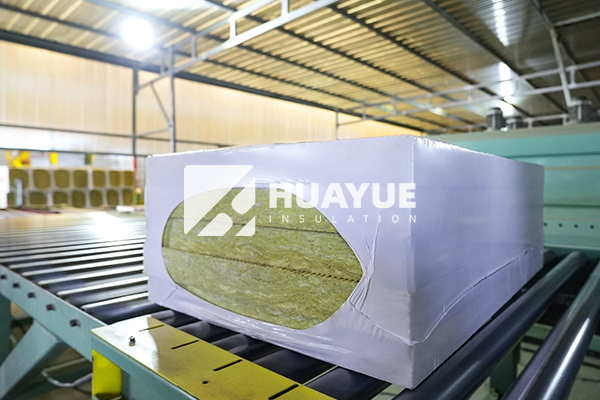
Choosing the right insulation for your roof matters. Every material has strengths and weaknesses. If you want to improve your roof’s durability and its ability to resist fire or retain heat, mineral wool may be a smart place to start. But I have discovered it’s not perfect. You’ll want to know both the advantages and limitations before you make a decision.
What are the disadvantages of mineral wool insulation?
People see mineral wool as a strong and safe insulation, but it does have drawbacks that might affect your decision.
Some disadvantages of mineral wool insulation include the possibility of moisture absorption, higher cost compared to fiberglass, and the need for protective gear during installation because of potential skin irritation.
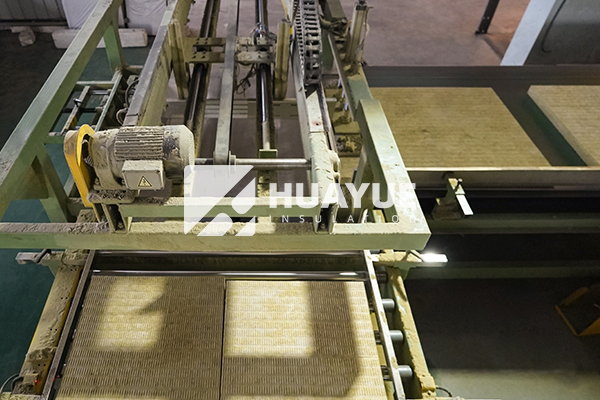
Mineral wool can hold water if not sealed correctly. This can lead to lower effectiveness over time. If moisture gets trapped, the insulation may lose its shape. When I installed mineral wool, I had to wear gloves and a mask. Mineral fibers can irritate skin and lungs. The material costs more upfront compared to fiberglass alternatives. Installation needs to be careful. If gaps are left, heat can escape or enter, making energy savings less than promised. I found mineral wool is heavier, so roof structures must be strong enough to support the extra weight. If you are working with an older roof, you may need to check if it can handle the pressure.
| Disadvantage | Impact | Solution |
|---|---|---|
| Moisture Absorption | Loses insulation efficiency | Use vapor barriers and proper sealing |
| Cost | Higher upfront expense | Plan for long-term savings |
| Skin/Lung Irritation | May harm installers | Use full protective equipment |
| Weight | May strain roof structure | Assess structural support before install |
| Installation Gaps | Lower energy performance | Train installers for precision placement |
Can mold grow in rock wool insulation?
Most people expect rock wool to resist mold, but some conditions can still allow mold to appear.
Rock wool doesn’t promote mold growth because it’s inorganic, but moisture and organic debris can create risk for mold if not properly controlled.
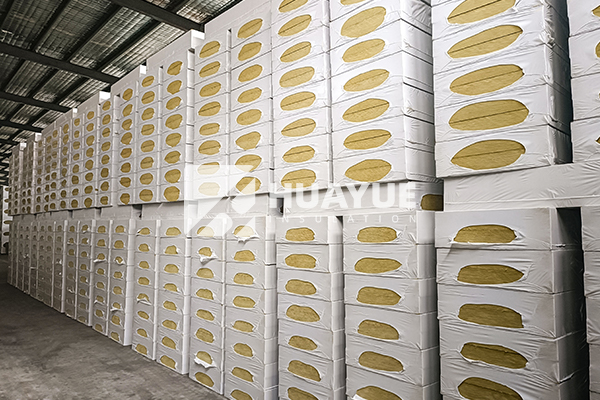
Rock wool is made from stone and minerals. These ingredients do not feed mold by themselves. In my experience, when rock wool gets exposed to leaks or condensation, mold can grow on organic dirt trapped between fibers. Proper installation is key. I always make sure there’s a vapor barrier and the roof has ventilation. Dirt, dust, or other organic debris can still settle in rock wool if the insulation is not installed cleanly or the roof leaks. This can invite mold if moisture builds up. Inspections are important. If you spot dampness under the insulation, dry it quickly and clean out any organic trash.
| Risk Factor | Mold Growth Potential | Prevention Steps |
|---|---|---|
| Inorganic Material | Low | Use in moisture-prone areas |
| Moisture Exposure | High | Maintain dry installation |
| Organic Contamination | High | Keep insulation clean during install |
| Poor Ventilation | Moderate | Ensure airflow – install vents |
Is rock wool good for roof insulation?
Some homeowners are curious if rock wool really performs well for roof insulation.
Rock wool is great for roof insulation because it resists fire, boosts thermal performance, and keeps noise out better than many alternatives.
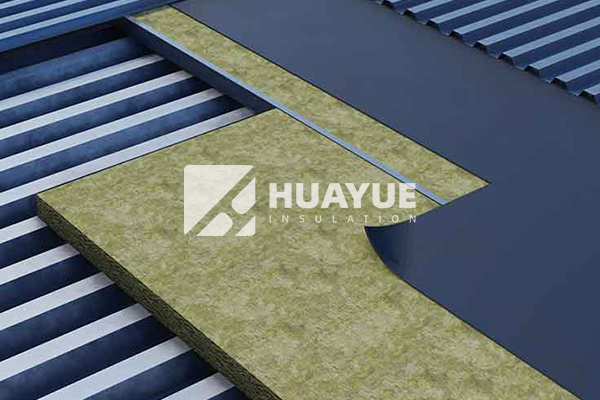
Rock wool’s core strengths show themselves when used on roofs. I recommend it for homes and facilities where fire safety is key. The fact that it can stand temperatures above 1,000°C makes me feel more secure. I’ve seen roofs with rock wool last longer under heat and sun. The dense material keeps out heat during summer and holds it in during winter. Noise is also reduced. This is especially good for anyone living near highways or airports. Rock wool can be cut to fit different roof shapes. It gives a close fit, which stops air leaks. If you install it well, it’s a low-maintenance choice. But you must always consider weight and make sure your roof’s structure is strong.
| Feature | Benefit for Roofs | Consideration |
|---|---|---|
| Fire Resistance | Improves safety | Good for industrial roofs |
| Thermal Insulation | Lower energy use | Plan thickness for your climate |
| Soundproofing | Reduces outside noise | Use for buildings near traffic |
| Durability | Long lifespan | Check roof strength |
| Easy Cutting | Precise fit for any roof | May need skilled installer |
Will mice chew through rock wool insulation?
Many want to know if rock wool is vulnerable to pests like mice.
Mice rarely chew through rock wool because it has no food value and is tough for them to dig through.
Rock wool is not attractive to rodents. The stone fibers are hard and not pleasant for animals to chew. When I renovated a building, I found that mice moved away from areas filled with rock wool. Rock wool does not have nutrients. Its density and structure act as a barrier. Mice usually go for softer, lighter insulation, or anything that smells like food. For added protection, I suggest sealing edges and using barriers. This keeps insulation tight and stops pests from finding gaps. If you have recurring pest problems, combine rock wool with metal or mesh at openings. Regular inspection also helps to spot early signs of trouble.
| Vulnerability Factor | Impact | Preventive Measures |
|---|---|---|
| Hard Fiber Texture | Discourages chewing | Add edge seals |
| No Nutritional Value | Not attractive to rodents | Keep area clean—remove crumbs |
| Density | Difficult to tunnel through | Use with mesh for best effect |
| Gaps/Entry Points | Possible entry for pests | Regular inspection and sealing |
Conclusion
Mineral wool insulation makes your roof safer and more efficient. Understand its pros and cons to get the best results.
You may also be interested in:

Ready to Get Started?
Get in touch with our experts for personalized solutions tailored to your needs.
Get Free QuoteLatest Articles


Should B2B Buyers Choose Mineral Wool Insulation?
Mar 31, 2026
Is Rock Wool a Good Choice for Acoustic Insulation?
Mar 30, 2026
Rockwool Insulation for Roof: Best Practices (2026)
Mar 27, 2026
Let's Work Together
Ready to take your business to the next level? Get in touch with our team of experts and let's discuss how we can help you achieve your goals.
Get Free Solutions