





Mineral Wool Rainscreen Insulation: Is It the Right Choice for Your Building?
Many building owners worry about insulation that traps moisture or does not last. These concerns can cost you time and money if you choose the wrong material.
Mineral wool rainscreen insulation is a non-combustible, water-repellent material designed for use behind ventilated cladding systems. It provides excellent thermal performance, fire resistance, and resists moisture absorption—making it a top choice for façade projects.

If you want to avoid problems with condensation, fire risk, and energy loss in your building, it’s worth understanding how mineral wool rainscreen insulation works. Next, I’ll discuss the key facts and clear up common misconceptions about this insulation material.
What are the disadvantages of mineral wool insulation?
Many people think mineral wool is perfect for every situation. In reality, there are downsides that can affect your budget and maintenance schedule.
Mineral wool insulation can be more expensive than alternatives like fiberglass. It sometimes sheds fibers during installation and can settle or compress over time, reducing its effectiveness.
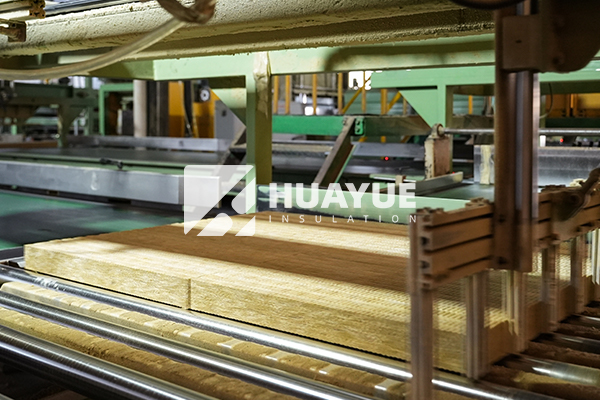
When I consider insulation materials for industrial tanks or building projects, I look beyond just the immediate benefits. Mineral wool is popular because it handles moisture and resists fire. But you also need to factor in some limitations. Price is one: mineral wool usually costs more than fiberglass or foam alternatives. This can hurt the project budget, especially for large façades. Handling is another issue. It sheds tiny fibers that can irritate skin and lungs if you do not use the right protective equipment.
I often notice that after years of use, mineral wool batts may compress or settle. This can leave gaps and reduce how much energy you save. Below is a table that summarizes the disadvantages and how they compare with typical alternatives:
| Disadvantage | Mineral Wool | Fiberglass Insulation | Foam Board |
|---|---|---|---|
| Cost | High | Low | Medium/High |
| Fiber Shedding | Yes | Yes | No |
| Settling Over Time | Possible | Possible | No |
| Irritation Risk | High | High | Low |
| Acoustic Performance | High | Medium | Low/Medium |
| Fire Resistance | High | Low | Medium |
By weighing the costs and maintenance issues against your project’s needs, you can decide whether mineral wool rainscreen insulation is right for you.
Is there a difference between rock wool and mineral wool?
The names “rock wool” and “mineral wool” are everywhere, but people are often confused about what they really mean or if they refer to different products.
Rock wool is a type of mineral wool insulation made from natural stone. The term “mineral wool” also includes slag wool, made from steel industry by-products.
For years, I heard project managers use the terms “rock wool” and “mineral wool” as if they were identical. Actually, there is a technical difference. “Mineral wool” is the broad category. It includes two main types: rock wool, which is made by melting basalt or other volcanic rocks, and slag wool, which uses industrial waste (slag) from steel production as the raw material. Both products have similar fire and moisture resistance but can have small variations in density, thermal performance, or appearance.
Here is a breakdown of the main differences:
| Feature | Rock Wool | Slag Wool |
|---|---|---|
| Source Material | Basalt, volcanic rock | Steelwork slag (by-product) |
| Fire Resistance | Excellent | Excellent |
| Color | Dark gray | Lighter gray/beige |
| Common Use | Buildings, industry | Buildings, industry |
So, when a specification asks for “mineral wool,” it may use rock wool, slag wool, or both. Always check the product data and requirements for your specific project.
Does mineral wool have an R-value?
Some insulation buyers worry that mineral wool will not provide enough thermal resistance, especially for cold storage or energy-saving projects.
Yes, mineral wool has an R-value. Standard mineral wool batts provide around R-4.0 to R-4.3 per inch of thickness, which is a very competitive value.
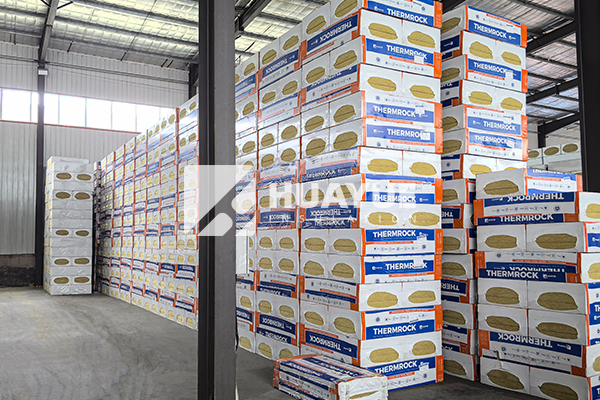
When I estimate a building’s energy use or design tank insulation, I always ask about the R-value. “R-value” measures how well insulation resists heat flow—the higher the value, the better. Mineral wool’s R-value usually falls in the R-4 to R-4.3 per inch range, depending on density and product design. This puts it ahead of most fiberglass (R-2.9 to R-3.8) but just below some specialty foam boards.
The advantage is, mineral wool keeps its R-value even when wet—it doesn’t soak up water that would lower performance. However, you need to make sure the panels are installed tightly to avoid gaps or air leaks. Suppliers usually publish tables showing the R-value for each thickness:
| Thickness (inches) | Approx. R-Value (mineral wool) |
|---|---|
| 1 | 4.0 – 4.3 |
| 2 | 8.0 – 8.6 |
| 3 | 12.0 – 12.9 |
| 4 | 16.0 – 17.2 |
This makes mineral wool a solid choice for energy-efficient rainscreen facades or industrial tanks.
What is rock wool Rain Screen?
Many architects and contractors want an insulation system that protects from rain, stops fire risks, and still lets the wall “breathe.”
A rock wool rainscreen is a ventilated façade system that uses non-combustible rock wool slabs behind external cladding to create a weather-resistant, energy-saving envelope around the building.
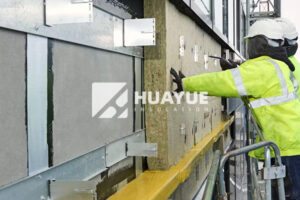
When I walk a building project, I look for details in the wall assembly. In a rock wool rainscreen system, installers place dense, semi-rigid panels of rock wool insulation on the outer wall. They fit these tightly, then use fasteners or rails to hold the panels in place. On top of the insulation, there is an air gap and then cladding—metal panels, terracotta, or similar. The air gap is vital. It allows any rainwater that gets behind the cladding to drain out. At the same time, water vapor from inside the building can escape, so you avoid mold or rot.
This wall system tackles three main challenges: energy loss, condensation, and fire safety. Rock wool does not burn, so it improves safety for offices, schools, or industrial sites. It stays firm and effective for the life of the building, so you avoid costly repairs later.
Here is what you typically find in a rock wool rainscreen:
| Layer Order | Function |
|---|---|
| Exterior Cladding | Weather barrier, aesthetics |
| Air Gap | Drains rainwater, allows wall to “breathe” |
| Rock Wool Insulation Panel | Thermal resistance, fire stop, moisture block |
| Support Wall/Sheathing | Structure, air barrier |
By choosing rock wool rainscreen systems, you get a safe, energy-saving façade that stands up to moisture, fire, and the changing weather.
Conclusion
Mineral wool rainscreen insulation is a fire-resistant, energy-saving solution that balances benefits and limitations for building facades, industrial tanks, and other demanding projects.
You may also be interested in:

Ready to Get Started?
Get in touch with our experts for personalized solutions tailored to your needs.
Get Free QuoteLatest Articles


Should B2B Buyers Choose Mineral Wool Insulation?
Mar 31, 2026
Is Rock Wool a Good Choice for Acoustic Insulation?
Mar 30, 2026
Rockwool Insulation for Roof: Best Practices (2026)
Mar 27, 2026
Let's Work Together
Ready to take your business to the next level? Get in touch with our team of experts and let's discuss how we can help you achieve your goals.
Get Free Solutions