








Mineral wool insulation price: What should you expect to pay?
Mineral wool insulation costs can be confusing and vary widely, leaving buyers unsure if they’re getting a good deal.
Mineral wool insulation is generally more expensive than fiberglass, yet the price justifies its outstanding thermal performance, fire resistance, and durability.
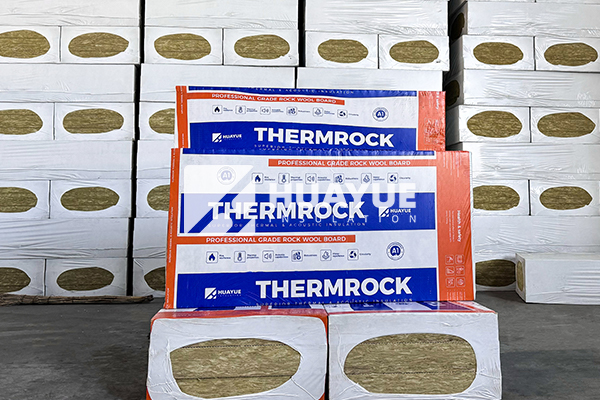
Most people see higher mineral wool prices and worry about budget, but they miss its long-term value. Let’s look at why mineral wool might actually save money over time.
Is mineral wool insulation more expensive?
Many customers hesitate because mineral wool insulation prices are higher than alternatives.
Mineral wool insulation is typically more expensive upfront than fiberglass. However, it often provides better thermal efficiency, fire safety, and moisture resistance, resulting in lower lifetime costs.
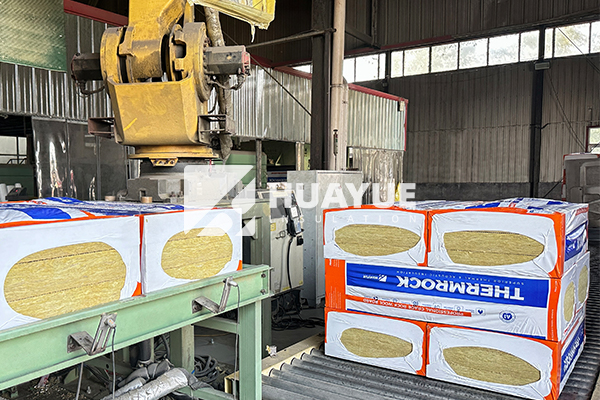
The price of mineral wool depends on thickness, density, and local market factors. For example, 2-inch panels often cost more per square meter than fiberglass, but their R-value is higher. Mineral wool also lasts longer and requires less frequent replacement, bringing down costs over years. In my experience, global manufacturers like HUAYUE offer reliable mineral wool at competitive prices because they use advanced manufacturing and bulk distribution. Direct sourcing or wholesale purchases can bring even better value for large projects. Below is a simple table showing mineral wool prices versus other materials:
| Material | Average Price ($/m²) | Longevity (years) | R-Value (2 inch) | Fire Resistance | Moisture Resistance |
|---|---|---|---|---|---|
| Mineral Wool | 20–40 | 20–30 | 8–9 | Yes | Yes |
| Fiberglass | 12–25 | 10–20 | 7–8 | Limited | No |
| Foam Board | 25–50 | 15–20 | 8–10 | Limited | Limited |
Upfront expenses are important, but consider life-cycle savings from less maintenance, better insulation, and fewer replacements.
What is the R-value of 2 inch mineral wool?
Many projects require precise thermal performance data to meet energy codes.
A 2-inch mineral wool board typically has an R-value between R-8 and R-9, depending on product density and manufacturer specifications.
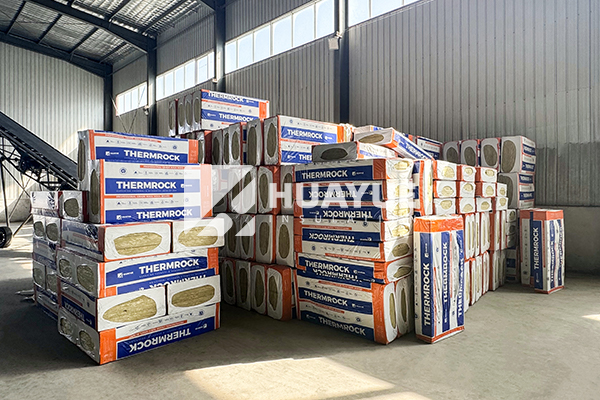
The R-value measures how well insulation resists heat flow. Higher R-values mean better insulation. For mineral wool, the R-value depends mostly on thickness and density. In my experience, standard 2-inch boards from leading producers provide reliable R-values that meet most energy standards internationally. An R-8 to R-9 rating makes mineral wool suitable for wall, roof, and tank applications that require strong thermal performance. Always check product datasheets, because manufacturing processes can impact the final R-value. Insulation professionals should match the R-value to the project’s thermal needs. The table below shows R-values for common insulation materials of the same thickness:
| Material | Thickness (inches) | R-Value |
|---|---|---|
| Mineral Wool | 2 | 8–9 |
| Fiberglass | 2 | 7–8 |
| Polyiso Foam | 2 | 12–13 |
Proper installation is critical. Compressed or poorly fitted mineral wool may reduce R-value and compromise thermal performance.
What are the disadvantages of mineral wool?
Some buyers focus on mineral wool drawbacks and worry it may not suit their projects.
Disadvantages of mineral wool include higher initial costs, potential skin irritation during handling, and heavier weight compared to other insulation materials.
Mineral wool is safe and effective, yet no material is perfect. Its upfront cost is higher, which can be a concern for tight budgets. When installing mineral wool, workers should wear protective gear because fibers may cause skin or respiratory irritation. Mineral wool is denser and heavier than fiberglass, making shipping and installation a bit more demanding for large projects. These factors may raise initial labor and transport costs, but they rarely affect long-term performance. Mineral wool maintains its insulating capacity over time and rarely warps or sags. The following table summarizes the main disadvantages:
| Disadvantage | Explanation | Mitigation |
|---|---|---|
| Higher upfront cost | More expensive than fiberglass | Focus on total life-cycle cost |
| Skin/respiratory irritation | Handling fibers may irritate | Use protective equipment |
| Heavier weight | Makes installation more labor intensive | Proper planning and tools |
Choosing mineral wool requires balancing these drawbacks against benefits like fire safety and long-term durability.
Will rodents nest in rock wool?
Buyers often worry about pests affecting insulation integrity.
Rodents are unlikely to nest in rock wool because its texture and density deter digging and nesting behaviors.
Rodent nesting is a big concern for many insulation systems. But rock wool insulation, a type of mineral wool, is dense, fibrous, and slightly irritating to animals. Its non-food-grade mineral composition discourages rodents from staying long or nesting inside. Based on my experience and feedback from customers, rodents prefer softer, less abrasive materials for shelters. However, rock wool cannot guarantee 100% exclusion of pests in every environment. Insulation installers should seal gaps and entry points, maintain clean installation sites, and consider additional barriers where rodent activity is known. Preventing infestations is a combination of good insulation choice and careful site management. The following table explains rodent nesting risks for major insulation types:
| Type | Rodent Nesting Risk | Explanation |
|---|---|---|
| Rock Wool | Low | Dense, abrasive, non-nutritive |
| Fiberglass | Medium | Softer, easier to burrow |
| Open-cell Foam | High | Softer, easy to tunnel, warm |
Checking insulation regularly and practicing good facility maintenance will help keep pests out and preserve insulation performance.
Conclusion
Mineral wool costs more initially, but its durability, insulation value, and pest resistance often make it the best long-term choice for demanding industrial projects.
You may also be interested in:

Ready to Get Started?
Get in touch with our experts for personalized solutions tailored to your needs.
Get Free QuoteLatest Articles



Should B2B Buyers Choose Mineral Wool Insulation?
Mar 31, 2026
Is Rock Wool a Good Choice for Acoustic Insulation?
Mar 30, 2026
Rockwool Insulation for Roof: Best Practices (2026)
Mar 27, 2026
Let's Work Together
Ready to take your business to the next level? Get in touch with our team of experts and let's discuss how we can help you achieve your goals.
Get Free Solutions