






Mineral Wool Batts: What Should You Know Before Choosing Them?
Some insulation materials cause unexpected problems after installation. If you want long-term value, you need to understand the strengths and weaknesses of mineral wool batts.
Mineral wool insulation batts can resist fire and provide good thermal and acoustic performance, but they sometimes shed fibers, may be more expensive, and can be harder to install in small or irregular spaces.
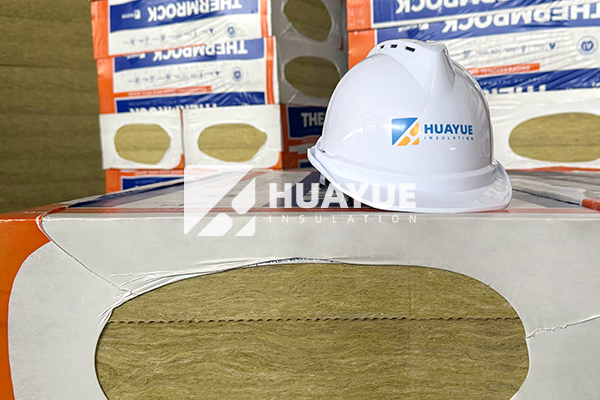
I see many contractors and distributors choose mineral wool batts for their fire resistance and soundproofing. But hidden drawbacks can affect the result. You can avoid most problems if you know what to expect and how to handle each issue. In this post, I’ll share my personal experience supplying mineral wool batts and answer the questions most professionals ask.
What are the disadvantages of mineral wool insulation batts?
Not every insulation material is perfect. Contractors run into issues if they do not know the limitations.
Mineral wool batts absorb water, shed fibers, cost more than fiberglass, and may be harder to install tightly in small spaces. These drawbacks can decrease performance and longevity.
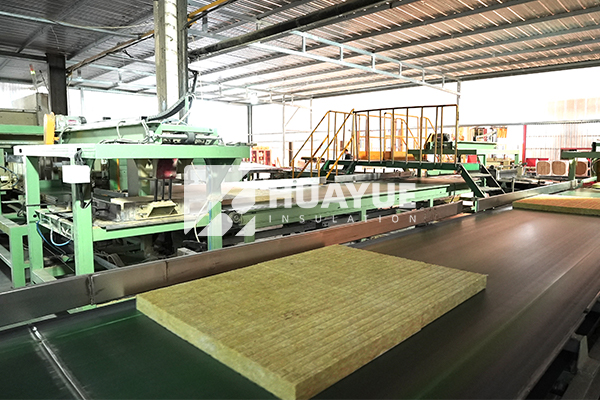
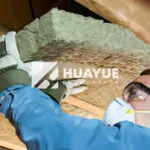
I have faced three main complaints as a supplier. First, installers sometimes report that fibers shed during handling, which can irritate skin and eyes. Second, if the batts get wet, they can lose insulation ability and promote mold growth. The higher price is a third concern, especially for large commercial projects. I help customers solve these problems by recommending special packaging and handling instructions, custom sizes, and flexible delivery options. You can see the main disadvantages in the table below.
| Disadvantage | Details | Solution |
|---|---|---|
| Fiber Shedding | Can irritate skin/eyes | Use protective gear, custom packaging |
| Absorbs Moisture | Loses R-value, risk of mold | Install vapor barriers, dry environments |
| Higher Cost | More expensive than some alternatives | Bulk discounts, value calculations |
| Fit Issues | May not suit irregular spaces | Custom sizing, careful installation |
I always work with customers to plan for these issues before the project starts. Most problems can be avoided with good preparation and clear communication.
What is a mineral wool batt?
Many people confuse mineral wool batts with other types of insulation. Clear definitions make selection easier.
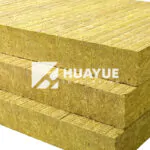
A mineral wool batt is a semi-rigid panel made from fibers spun from molten rock or slag, manufactured to provide thermal and acoustic insulation, fire resistance, and ease of installation in walls or roofs.
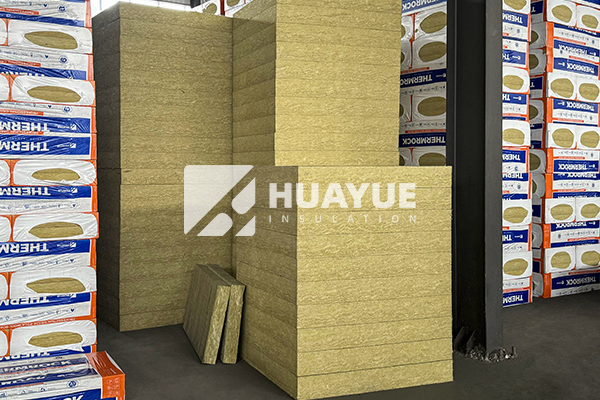
When I talk to distributors or contractors, I start with the basics. Mineral wool batts are made by melting rock or industrial slag, spinning it into fibers, and compressing it into slab-like panels. They are different from loose-fill or rigid board products. Mineral wool batts are used in construction for their fire resistance and sound absorption properties. They are easy to cut and fit into most stud wall frames. HUAYUE specializes in producing these batts in a wide range of sizes and densities. I find that offering custom lengths and thicknesses helps solve project-specific issues for contractors.
| Feature | Mineral Wool Batts |
|---|---|
| Source Materials | Basalt rock, slag |
| Form | Semi-rigid panels |
| Typical Uses | Wall, roof, floor insulation |
| Benefits | Fire resistance, sound absorption, thermal |
| Customization | Size, density, packaging options |
I always try to provide a tailored solution for every job because architects and contractors often need sizes that are not available from stock. When you understand how mineral wool batts are manufactured, you can better judge their strengths vs. alternatives.
Will mice nest in mineral wool insulation?
Pest issues matter for long-term building performance. Customers want to know if insulation is at risk.
Mice rarely nest in mineral wool insulation because it is inhospitable: it is scratchy, does not retain warmth well, and offers little food or nesting material.
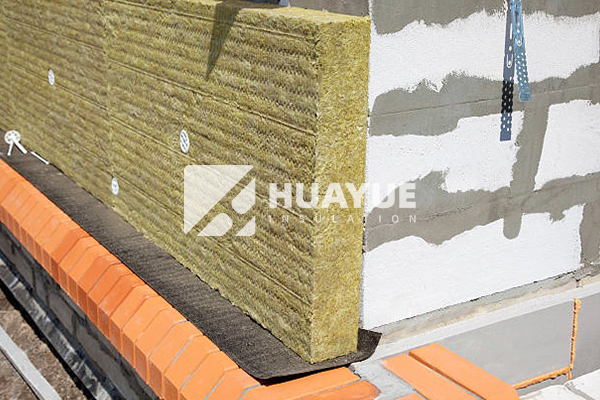
I get a lot of questions about pest resistance. My experience shows mice generally avoid mineral wool because the material is uncomfortable for digging and nesting. Unlike softer materials, mineral wool fibers are rough, dense, and do not provide the warmth or protection mice look for. The chemical composition also does not attract insects or rodents. In over two decades supplying mineral wool, I have seen very few cases of rodent infestation, and those were usually traced to improper sealing or gaps in the architecture rather than the insulation itself.
| Factor | Mineral Wool Response |
|---|---|
| Texture | Scratchy, dense |
| Warmth Retention | Not attractive to mice |
| Food Value | None |
| Pest Reports | Very rare |
For contractors, this means mineral wool batts are a safe choice if rodent problems are a concern. Sealing gaps around edges is still important to prevent all pests from entering the building envelope.
What is the difference between ROCK WOOL and mineral wool?
Material names cause confusion—even among professionals. Knowing the difference can change your material choice.
Rock wool is a type of mineral wool made from basalt; mineral wool includes both rock wool and slag wool. Rock wool typically has superior fire resistance, thermal performance, and moisture handling.
Rock wool and mineral wool often get mixed up. All rock wool is mineral wool, but not all mineral wool is rock wool. Mineral wool includes products made from melted rock (rock wool) and those made from recycled slag (slag wool). In practice, rock wool usually performs better in construction because the fibers are firmer, denser, and have better insulation and fire properties. I help customers compare the options by showing sample panels and specs from HUAYUE’s product lines. Rock wool is a top choice for building envelopes and fire-rated assemblies because of its structure and durability.
| Wool Type | Source | Key Properties | Uses |
|---|---|---|---|
| Rock Wool | Basalt rock | High fire resistance, denser | Walls, roofs, industrial |
| Slag Wool | Steel slag | Lighter, lower cost | Attics, light assemblies |
Choosing between them depends on project needs. In my experience, industrial projects and fire-rated constructions benefit from rock wool. Commercial and residential jobs sometimes use slag wool for cost savings.
Conclusion
Mineral wool batts offer fire resistance and sound insulation, but you should understand their limitations and choose the right version for your application."
You may also be interested in:

Ready to Get Started?
Get in touch with our experts for personalized solutions tailored to your needs.
Get Free QuoteLatest Articles



Let's Work Together
Ready to take your business to the next level? Get in touch with our team of experts and let's discuss how we can help you achieve your goals.
Get Free Solutions