








Mineral wool batts insulation: Is this the right choice for your building needs?
Sometimes, getting proper insulation seems easy, but the wrong product could mean extra costs, damage, or even whole-system replacements.
Mineral wool batts insulation provides fire resistance, sound absorption, and is non-combustible, making it a reliable thermal insulation material for most building applications. It’s easy to install and works well even in extreme temperatures.
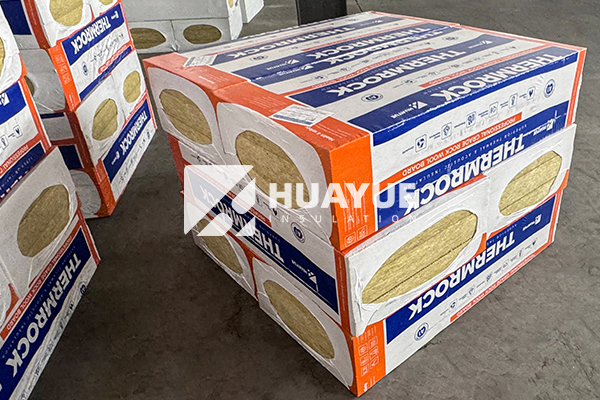
Many people think all insulations are the same, but mineral wool batts stand out for safety and sound control. However, there are differences and limitations to consider when choosing materials for tanks, walls, or roofs. Now, let’s break down each key concern and help you make a smarter decision.
What are the disadvantages of mineral wool batt insulation?
It looks good, but hidden problems can cause frustration later.
Mineral wool batt insulation can be more expensive than other insulation materials, may require safety equipment for installation due to loose fibers, and struggles with moisture if not protected properly.
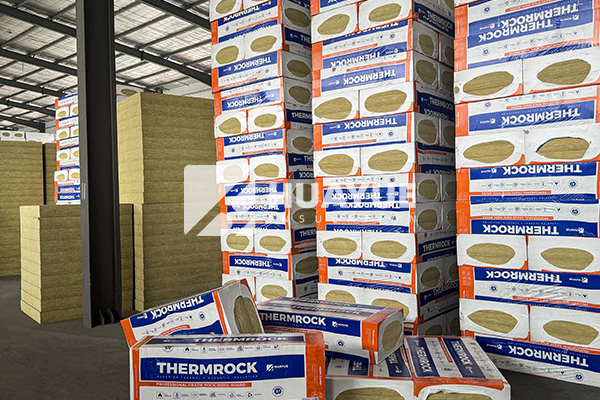
I have seen some clients underestimate the importance of moisture management. Mineral wool is hydrophobic but not waterproof. If water gets past the vapor barrier, the batts can hold moisture, sometimes causing drooping or reduced R-value over time. Let’s compare mineral wool and other batts in a simple table:
| Property | Mineral Wool Batts | Fiberglass Batts | Foam Board |
|---|---|---|---|
| Moisture Resistance | Medium | Low | High |
| Fire Resistance | High | Medium | Low |
| Cost | Medium-High | Low | High |
| Installation Safety | Protective Gear | Protective Gear | Minimal |
| Sound Absorption | High | Medium | Low |
Mineral wool dust irritates skin and lungs. Protective gear is a must, especially for large jobs. The price point means it may not fit all budgets, though it lasts long. If water leaks are common in your area, consider how the batts will be shielded or if another product is better. Always weigh the strengths and weaknesses before deciding, based on your building environment and needs.
Will mice chew through rock wool batt insulation?
Rodents can cause big headaches. Some insulation can’t resist them.
Mice typically avoid rock wool batt insulation due to its dense and irritating fibers, which discourage chewing and nesting.
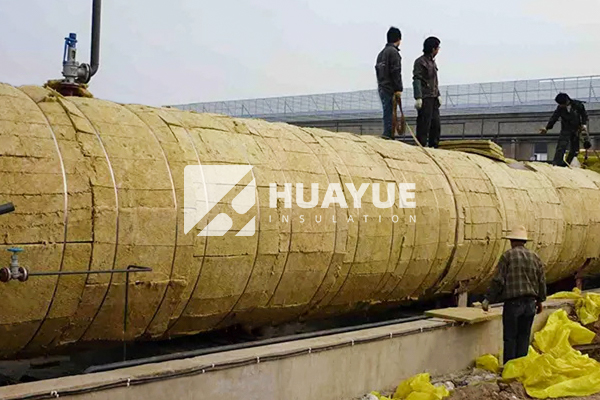
I have watched maintenance teams in central Europe deal with persistent rodent problems. While fiberglass batts are easy for mice to shred, mineral wool fibers are prickly and unpleasant. Most rodents don’t want to chew through or nest inside rock wool. It does not offer food or warmth. Chemical plants often pick rock wool for tanks just for this reason. However, if gaps exist or if animals are desperate, they might still get inside. Always make sure insulation is installed tightly, with no entry points. Pairing mineral wool with solid barriers is the best rodent-proof strategy.
Is mineral wool batt the same as batt insulation?
Not everything called “batt insulation” is the same.
Mineral wool batt insulation is a type of batt insulation, but it is not the same as fiberglass, foam, or synthetic batts. Each has unique qualities.
In my work with tank insulation projects, the “batt” term creates confusion. “Batt” simply means a long, flat strip. The material itself is what matters. Mineral wool is made of spun rock or slag fibers. Fiberglass batts use melted sand and recycled glass. Foam batts use rigid boards. Each type behaves differently. Mineral wool outperforms on fire and sound control, but foam offers higher moisture holdout. Here’s a breakdown:
| Insulation Batt Type | Main Material | Key Feature |
|---|---|---|
| Mineral Wool Batt | Rock/slag fibers | Fire proof |
| Fiberglass Batt | Glass fibers | Low cost |
| Foam Board Batt | Polystyrene/PUR | Moisture barrier |
So, while all are called “batts,” only mineral wool brings the mineral fiber advantages. Pick based on your project’s goals: sound, moisture, fire, or price.
What happens if mineral wool insulation batt gets wet?
What happens if water sneaks in?
If mineral wool insulation batt gets wet, it may compress and lose insulation value unless thoroughly dried, though it doesn’t support mold growth like organic materials do.
Water infiltration remains one of the trickiest problems. I have seen batts exposed to leaks in both wall cavities and tanks. Mineral wool itself is inorganic, so it rarely encourages mold. But once saturated, it squishes down and loses its fluff, causing drops in thermal performance. The increased weight might sag panels or leave cold spots.
Unlike foam board, mineral wool will not recover its R-value just by drying. Remove, dry thoroughly, then check if it redeems its shape—otherwise, replace. That’s why vapor barriers and smart sealing matter so much, especially in high-risk areas. When engineering tank insulation, continuous monitoring for leaks is key to preserving long-term efficiency.
Conclusion
Mineral wool batts insulation brings fire resistance and sound control, but attention to installation, moisture, and material selection is crucial for lasting, effective performance.
You may also be interested in:

Ready to Get Started?
Get in touch with our experts for personalized solutions tailored to your needs.
Get Free QuoteLatest Articles



Should B2B Buyers Choose Mineral Wool Insulation?
Mar 31, 2026
Is Rock Wool a Good Choice for Acoustic Insulation?
Mar 30, 2026
Rockwool Insulation for Roof: Best Practices (2026)
Mar 27, 2026
Let's Work Together
Ready to take your business to the next level? Get in touch with our team of experts and let's discuss how we can help you achieve your goals.
Get Free Solutions