






Mineral Fiber Batt: Is It the Best Choice for Home Wall Insulation?
Choosing the wrong wall insulation can cause heat loss, high energy bills, and even moisture damage. Homeowners want solutions that are safe, effective, and stand the test of time.
Mineral fiber batt insulation—commonly made from rock or slag wool—offers strong fire resistance, noise reduction, and reliable thermal performance for residential walls, making it a leading choice for modern home construction.

If you want your home to stay comfortable and quiet all year, and you do not want to worry about fire hazards or mold, it is important to learn why mineral fiber batt insulation has become so popular in residential walls.
What is mineral fiber batt insulation?
Many people become frustrated by cold drafts and uneven temperatures, even after adding wall insulation.
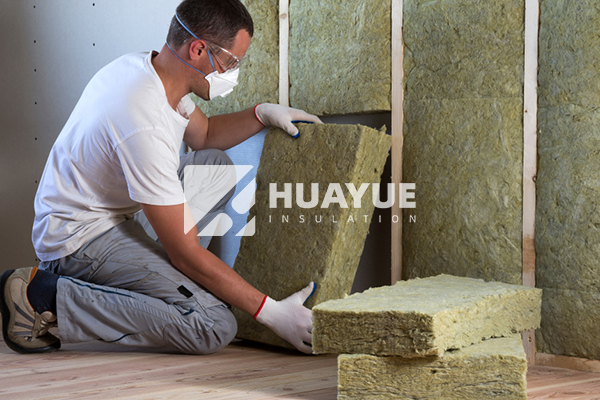
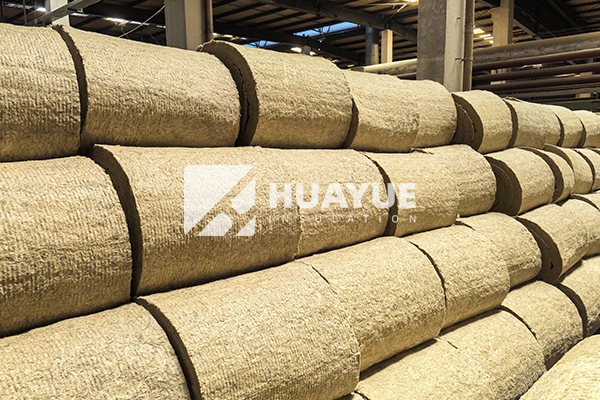
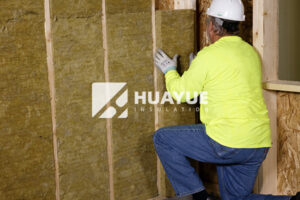
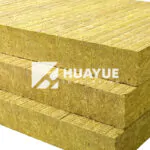
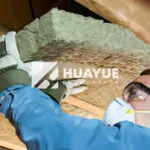
Mineral fiber batt insulation is made from spun minerals, like rock or slag, formed into thick, flexible batts that slide easily between wall studs. This design traps air, blocks heat transfer, and reduces outside noise.
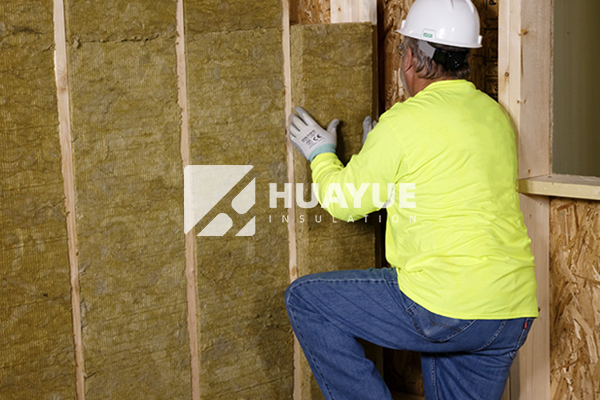
Manufacturers create mineral fiber batts by heating natural or recycled minerals, then spinning the melt into fine fibers. The fibers are packed together in batts, offering both flexibility and structural integrity. These batts are cut to fit standard stud bays, so installation is straightforward for both new builds and retrofits.
Home walls need insulation that performs over time. Mineral fiber batts maintain their shape and insulation value for decades, resisting settling and sagging. They do not promote mold growth because they do not absorb water. This makes them ideal for homes in humid or rainy areas. Also, mineral fiber batts are naturally non-combustible. They create a fire-resistant layer inside your walls, which can slow down or stop the spread of flames in an emergency. For homeowners and builders who want a comfortable, safe, and quiet living space, mineral fiber batts offer strong protection against heat loss and fire risk.
Which is better: fiberglass or mineral wool batts?
Homeowners often debate whether to choose fiberglass or mineral wool batts for their wall insulation. Each has advantages, but performance differences can impact long-term comfort and safety.
Mineral wool batts provide better fire resistance, sound control, and moisture tolerance than fiberglass batts, making them a better option for noise-sensitive areas, humid climates, or places with strict fire codes.
When I compare fiberglass and mineral wool, I always consider performance needs. Mineral wool batts resist temperatures as high as 650°C, while fiberglass loses strength above 250°C. This matters for homes with wood framing, where fire safety is a concern. Mineral wool’s dense fibers block more sound than fiberglass, so bedrooms and home theaters stay quieter.
Moisture resistance is another key difference. Mineral wool batts do not absorb water, so they do not support mold or mildew growth. Fiberglass can absorb moisture over time, sometimes reducing its insulation value and leading to indoor air quality problems.
Fiberglass is lighter, less expensive, and easier to handle. For basic rooms with no noise or humidity issues, fiberglass works well. If you want top performance, though, mineral wool’s durability, safety, and sound-blocking make it the strong winner.
| Attribute | Mineral Wool Batts | Fiberglass Batts |
|---|---|---|
| Fire Resistance | Excellent (noncombustible) | Good |
| Sound Insulation | High | Moderate |
| Water Absorption | Very Low | Medium |
| Mold Resistance | Excellent | Good |
| R-Value (per inch) | 3.7 – 4.3 | 2.9 – 3.8 |
| Ease of Installation | Medium | Easy |
I recommend mineral wool batts for exterior walls, home offices, laundry rooms, and anywhere peace and fire safety are priorities.
What is mineral fiberboard?
People often confuse mineral fiber batts and mineral fiberboard, not realizing the differences can affect their walls’ insulation performance.
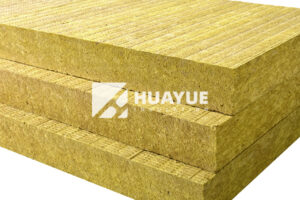
Mineral fiberboard is a dense, rigid panel made from compressed mineral fibers. It is used as thermal, sound, and sometimes fire barriers in places that require a stiff and durable sheet, not a flexible batt.
Manufacturers use similar base materials—rock or slag—but press them into strong boards instead of fluffy bats. Mineral fiberboard is less flexible but offers higher compressive strength. In homes, these boards are found in floor systems, wall sheathing, attic platforms, or as part of soundproofing assemblies. I use them where the insulation must support weight, or where a tough, vibration-resistant layer is helpful, like in a mechanical closet or as a backer behind drywall in a media room.
Boards provide outstanding durability. However, they are harder to install in small spaces or around irregular framing. For straight wall cavities, I always reach for batts. For large open areas or soundproofing, mineral fiberboard delivers what is needed for strength and performance.
| Feature | Mineral Fiberboard | Mineral Fiber Batt |
|---|---|---|
| Structure | Rigid, dense panels | Flexible, fluffy sheets |
| Best Use | Floors, soundproofing | Walls, ceilings |
| Ease of Cutting | Medium | Easy |
| Compressive Strength | High | Medium |
| Fire Resistance | Excellent | Excellent |
What is a rock wool batt?
Many brands call their products “mineral wool,” but rock wool batts have unique characteristics worth knowing about.
A rock wool batt is made almost entirely from natural volcanic rock, spun into dense insulation sheets. It brings excellent fire, sound, and thermal properties—making it a favorite for walls in high-performance homes.
Rock wool is created by melting stone (usually basalt), then spinning the liquid into fine, hairlike fibers. These are pressed into thick, springy batts that fit firmly between wall studs or over ceiling joists. Rock wool stands up to fire and continues insulating even in extreme conditions. I have chosen rock wool batts in homes with tough noise-control requirements and in city houses at higher fire risk.
Rock wool is also water repellent, so it stays mold- and mildew-free, even if a window leaks or there is a plumbing issue. Homeowners who want quieter, safer, and more durable walls tend to pick rock wool batts after comparing all the options.
| Benefit | Rock Wool Batt |
|---|---|
| Main Ingredient | Basalt rock |
| Fire Resistance | Up to 650°C, noncombustible |
| Sound Blocking | High |
| Mold Resistance | Excellent |
| Longevity | 30 – 50+ years |
| Where Used Most | Exterior/interior walls, basements |
Conclusion
Mineral fiber batt insulation stands out for its fire safety, noise control, and long-lasting protection, making it a smart upgrade for comfortable, safe, and efficient homes.
You may also be interested in:

Ready to Get Started?
Get in touch with our experts for personalized solutions tailored to your needs.
Get Free QuoteLatest Articles

Let's Work Together
Ready to take your business to the next level? Get in touch with our team of experts and let's discuss how we can help you achieve your goals.
Get Free Solutions