








Is Rock Wool Safe for Health and Everyday Use?
Rock wool insulation is popular, but concerns about safety create hesitation. Let’s break down facts to help you choose without worry.
Rock wool is generally considered safe for health if installed and handled according to guidelines. It is not classified as hazardous, is non-toxic, and rarely causes long-term health issues.
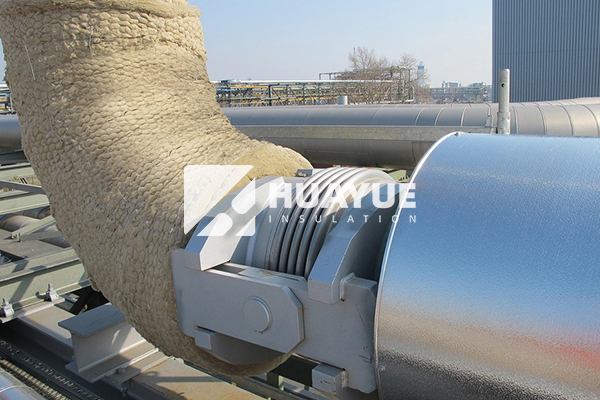
People often worry about building materials. Some fear unknown risks, others seek clear answers about long-term health impacts, hazardous characteristics, or safety of exposed installations. Precise information gives peace of mind before investing in insulation systems. Keep reading to discover if rock wool meets high safety expectations or if you should consider alternatives.
Is ROCK WOOL safe for health?
Health is a big concern for anyone selecting insulation. Stories about itchiness and possible irritation circulate. Many wonder whether exposure to rock wool fibers could cause permanent damage.
When handled properly, installed and covered, rock wool seldom has negative effects on health. Most issues like skin or eye irritation happen during installation but subside quickly once work ends.
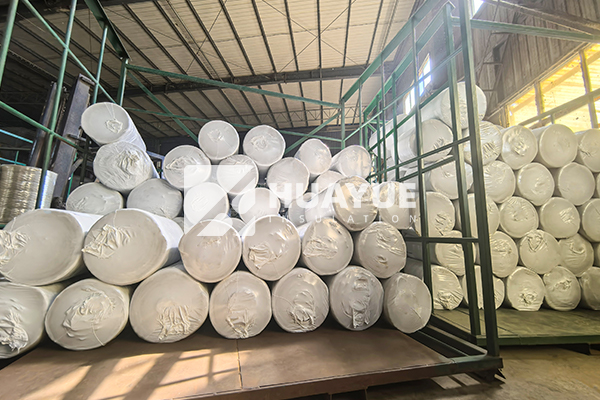
Let’s look more closely. Rock wool, also called mineral wool, is made from volcanic rock like basalt. At high temperatures, manufacturers spin the rock into fibers. These fibers do not contain asbestos. Scientific studies show that, unlike asbestos, rock wool fibers do not travel deep into the body and are not persistent. Many countries, including those with strict health standards, allow mineral wool products for homes and industry. Since rock wool is inert, problems usually stop after direct contact ends. I always wear protection when installing rock wool and advise the same for crews. The fibers may cause temporary itchiness. Use gloves, masks, and goggles, and wash skin thoroughly afterward. For day-to-day operation or when sealed behind walls or cladding, rock wool does not release dust or pose health dangers.
| Safety Aspect | Comment |
|---|---|
| Composition | No asbestos, made from volcanic rock |
| Temporary Irritation | Possible during installation |
| Long-term Safety | Considered safe for health after install |
| Regulations | Meets strict safety guidelines globally |
Is ROCK WOOL a hazardous material?
Hazardous materials are a top worry in heavy industry. Plant managers and engineers need to avoid substances flagged as dangerous. Proper labeling and MSDS sheets influence procurement decisions.
Rock wool is not listed as a hazardous material under international or national agencies. It is safe to transport, store, and work with if basic PPE guidelines are followed.
Rock wool insulation does not explode, catch fire, or react with other construction materials. It is stable. According to EU and U.S. regulations, mineral wool is not classified as a hazardous substance. The product goes through testing to prove it does not contain carcinogenic materials or toxic additives. Labels must follow local workplace safety codes. The fibers themselves can irritate, so companies recommend gloves and masks for installers. After insulation is sealed or covered, it does not cause harm in factories, chemical plants, or homes. I always check Safety Data Sheets during purchasing. Rock wool insulation consistently meets safe handling standards and has no hazardous warning symbols. For long-term tank insulation, it is favored by engineers concerned with both fire and chemical safety. Committees responsible for risk assessment compare mineral wools with other products. Rock wool is much safer than older insulation types, such as those containing asbestos or formaldehyde. In transportation or storage, there are no special hazardous shipping requirements, making logistics straightforward and reassuring.
| Hazardous Label | No |
| MSDS Requirement | Standard PPE recommended |
| Fire Safety | High resistance; non-combustible |
| Reaction Risk | Chemically inert, stable |
Is ROCK WOOL insulation non-toxic?
Many decision-makers ask about toxicity. Some insulation products used in past decades contained substances that released toxins or emitted harmful gases. New rules demand safer options.
Rock wool insulation is non-toxic and does not release harmful substances under normal use. Independent tests show it remains free from contaminants.
To break this down, non-toxic means no chemical elements or emissions that harm humans. Rock wool is produced using melted volcanic stone, sometimes with recycled glass or slag. No dangerous chemicals are added during production. Leading manufacturers follow strict batch-control and testing procedures. I review certificates for formaldehyde-free rock wool, as older production methods sometimes used binders with traces of chemicals. Modern products use safer binders. When exposed to fire, rock wool does not produce toxic smoke. This matters in industrial accidents and emergency planning. The insulation does not off-gas once installed. For sensitive environments like laboratories or food processing, non-toxicity is crucial. Many clients ask for test reports or international labels like CE or SGS. My experience in chemical facility management tells me that foam glass or rock wool are among the lowest-risk options for tank insulation. Both meet tough health and safety requirements without hidden toxic threats.
| Toxicity | None |
| Chemical Emissions | None under normal use |
| Fire Scenario | No toxic smoke or gas released |
| Certifications | CE, SGS, ISO, etc. |
Is exposed ROCK WOOL safe?
Sometimes insulation systems are not fully covered. Repairs, upgrades, or design choices leave some rock wool exposed. Plant managers question whether exposure poses dangers.
Exposed rock wool is safe for most workers with precautions. Dust may cause skin irritation, but it is not hazardous or carcinogenic.

Let’s consider day-to-day use. Exposed rock wool may shed small fibers into the air if disturbed or compressed. These fibers can irritate skin and eyes. Most irritation subsides when exposure ends. No studies show chronic health effects for workers exposed to mineral wool, provided that workspaces use routine ventilation and cleaning. I always advise patching or sealing insulation. Where that is impractical, ensure workers have gloves and barrier creams. In my facilities, exposed rock wool inside tank enclosures or pipe chases seldom causes problems. Open areas should have warning signs and regular cleaning. For public spaces, fully cladding the insulation keeps everyone safe. Engineering standards always prefer covered installation, but plant managers can feel confident about the short-term safety of exposed rock wool in routine maintenance.
| Exposure Scenario | Possible mild irritation |
| Long-Term Risk | None documented with standard precautions |
| Recommended Practice | Cover insulation; use PPE if exposed |
| Workplace Safety | Routine cleaning and ventilation |
Conclusion
Rock wool insulation is safe for health, non-toxic, not hazardous, and poses minimal risk even when exposed with basic precautions.
You may also be interested in:
Ready to Get Started?
Get in touch with our experts for personalized solutions tailored to your needs.
Get Free QuoteLatest Articles

Let's Work Together
Ready to take your business to the next level? Get in touch with our team of experts and let's discuss how we can help you achieve your goals.
Get Free Solutions