








Is Rock Wool Insulation Truly Fire Insulation?
Protecting industrial tanks and buildings is a top priority, but fire risks can threaten safety and investments quickly if insulation materials are poorly chosen.
Rock wool insulation is fireproof. It can withstand high temperatures and does not burn, making it an ideal material for fire insulation in industrial and commercial applications. It is widely used for reliable passive fire protection.
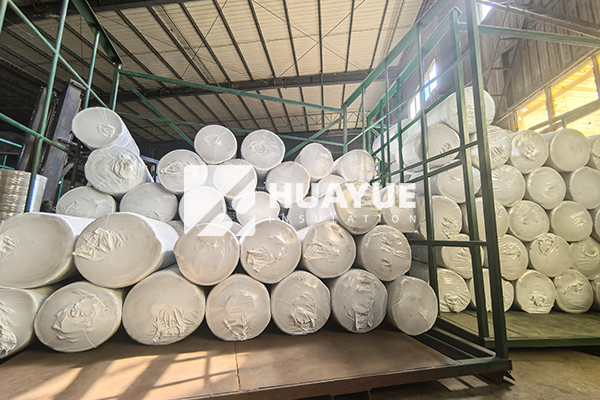
Choosing the right fire insulation is like locking the front door at night. While there are many options, not all of them protect against heat, flame, and damage in the same way. Rock wool takes the lead for demanding environments. Let’s explore why it stands out and how you can use it for fire safety.
Is ROCK WOOL insulation fireproof?
Everyone wants peace of mind, especially when working with tanks or buildings at risk of fire. Few insulation materials deliver fireproof performance like rock wool.
Rock wool insulation does not support combustion and remains stable at temperatures up to about 1000°C. It is considered fireproof, making it suitable for passive fire protection in most industrial and commercial installations.
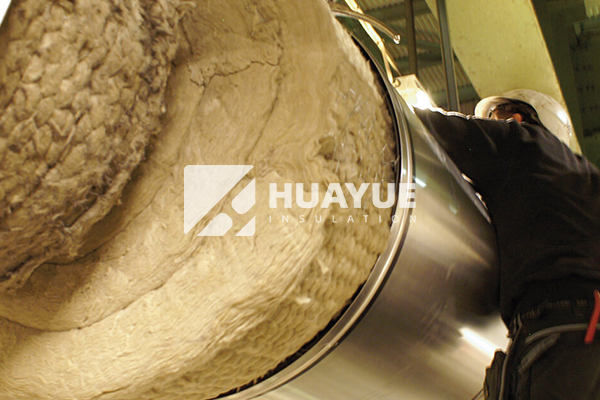
Rock wool is made from natural stone, usually basalt or diabase, melted at high temperature and spun into fine fibers. This process creates a non-combustible product that traps heat but does not ignite when exposed to open flame or extreme temperatures. When installed, rock wool acts as a barrier that stops fire, heat, and smoke from moving through walls, roofs, or around tanks. It resists melting and does not contribute to toxic smoke or fumes, which is crucial for industrial safety. Unlike organic materials such as foam or cellulose, rock wool keeps its shape and density over the years, even after repeated exposure to high heat. This is important for long-term safety because insulation must perform for decades, not just on the day it is installed. Fireproofing is about time and certainty. Rock wool delivers both.
Key Rock Wool Properties
| Property | Description |
|---|---|
| Core Material | Basalt or diabase |
| Melting Point | > 1000°C |
| Fire Behavior | Non-combustible, fireproof |
| Smoke Production | Minimal/none |
| Long-term Stability | Excellent |
Is ROCK WOOL a 1 hour fire rating?
Time is critical in a fire. It is important to know if rock wool insulation can actually stop fire for a fixed period, such as one hour.
Rock wool insulation achieves various fire resistance ratings, including the common "1-hour fire rating," depending on system design and installation. Third-party tested systems using rock wool can meet or exceed a 1-hour fire-resistance requirement.
Proper installation is as important as the choice of material itself. Rock wool is often included in certified wall and floor assemblies to achieve specific fire ratings (such as 60, 90, or 120 minutes). The fire-resistance rating depends on the whole assembly, including wallboard, steel, or concrete, plus the rock wool insulation. When tested, these systems must withstand fire exposure for at least the rated time without permitting flames or excessive heat to pass through.
Certified Fire Ratings with Rock Wool
| Rating Time (Minutes) | System Components | Typical Use |
|---|---|---|
| 60 (1 hour) | Rock wool, wallboard | Partition walls |
| 90 | Rock wool, firestop | Floors, ceilings |
| 120 | Thicker rock wool, steel | Tank insulation |
Engineers or facility managers must confirm that the entire assembly, not only the insulation, has passed standard fire testing. Rock wool’s high melting point and non-combustibility give strong fire resistance, but correct installation ensures your building, tank, or compartment gets full protection for the rated time.
Can I use ROCK WOOL for fire blocking?
Fire stopping and blocking are vital in any safety plan. The materials you choose must resist fire spread around penetrations, gaps, or voids in walls or structures.
Yes, you can use ROCK WOOL for fire blocking. It is suitable for sealing penetrations and cavities around pipes, ducts, and conduits, preventing fire and smoke from moving through hidden spaces.
Rock wool’s dense, interlocking fibers make it easy to cut and tightly fit into non-standard shapes and gaps. This means it can plug holes and seal around mechanical, electrical, or plumbing penetrations in fire-rated walls and floors. Industrial insulation contractors often use rock wool for fire blocking because it does not shrink, settle, or lose its fire resistance over time. The fire block helps stop "chimney effects" in walls or tank insulation systems, buying valuable time for evacuation or fire suppression. Regulatory bodies accept rock wool as a material for fire blocking where codes require "mineral wool" or "noncombustible insulation." The installation is usually simple and does not require adhesives or special coatings. Having the right fire block at penetrations can make a big difference in stopping fire spread.
Typical Fire Block Uses
- Around pipes and cable trays passing through walls
- Filling voids in floor and roof cavities
- Sealing perimeter gaps at fire-rated partitions
What insulation is fireproof?
Choosing the right insulation for fire protection means knowing which materials are truly noncombustible and provide reliable safety.
Fireproof insulations include mineral wool (rock wool, slag wool, glass wool), cellular glass, and other noncombustible materials. These insulations do not ignite, melt, or produce smoke and are certified for fire-resistant applications.
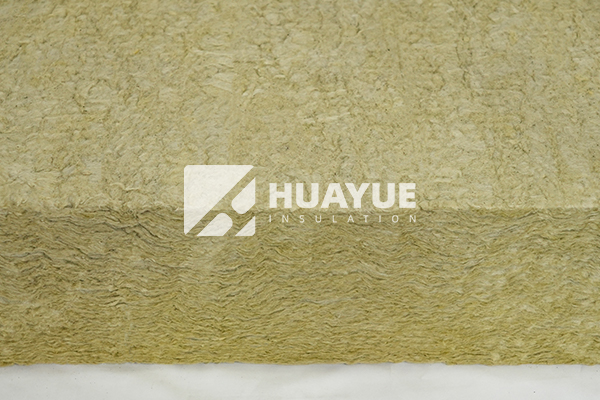
Mineral wools, especially rock wool, are the industry standards for fireproofing. They have high melting points, contain no fuel for fire, and are widely available. Cellular glass insulation is also totally noncombustible and is often chosen for cryogenic tanks, chemical tanks, or where moisture resistance is necessary. In contrast, organic or foam insulations like expanded polystyrene (EPS), extruded polystyrene (XPS), and polyurethane foam will burn or melt. They are not considered fireproof and are not suitable for locations where passive fire protection is required. Codes and regulations often specify "mineral wool" or "noncombustible" insulation for fire-resistive construction. To meet these codes, always confirm the fire classification and independent test reports for any product you use.
Table: Summary of Fireproof Insulation Options
| Insulation Material | Fire Rating | Typical Application |
|---|---|---|
| Rock wool | Noncombustible (>1000°C) | Walls, tanks, structural firestopping |
| Glass wool | Noncombustible | Ceilings, piping, HVAC |
| Cellular glass | Noncombustible | Cryogenic tanks, chemical storage |
| Foam (EPS/XPS, PU) | Combustible | Not suitable for fire rating |
Conclusion
Rock wool insulation gives reliable, long-term fireproof performance and meets strict fire ratings. It suits fire stopping, tank insulation, and meets fire safety demands in industrial applications.
You may also be interested in:
Ready to Get Started?
Get in touch with our experts for personalized solutions tailored to your needs.
Get Free QuoteLatest Articles

Let's Work Together
Ready to take your business to the next level? Get in touch with our team of experts and let's discuss how we can help you achieve your goals.
Get Free Solutions