








Is Rock Wool a Good Choice for Acoustic Insulation?
I often see contractors, builders, distributors, and project buyers compare many insulation materials before they make a final decision. I also see many people focus only on thermal performance and forget that sound control matters just as much in many commercial and industrial projects.
I believe rock wool is a good choice for acoustic insulation in many projects because it absorbs sound well, offers fire resistance, and works in a wide range of wall, ceiling, floor, and partition systems. I also think buyers should judge it by system design, density, thickness, and installation quality, not by one simple claim.
When I talk with acoustic insulation buyers, I notice that the same questions come up again and again. They want to know if rock wool really works for sound control, what its limits are, whether mice will damage it, whether air gaps matter, and whether workers can handle it safely. I think these are practical questions, and I want to answer them clearly from a project and product evaluation point of view.
Is ROCK WOOL good for acoustic insulation?
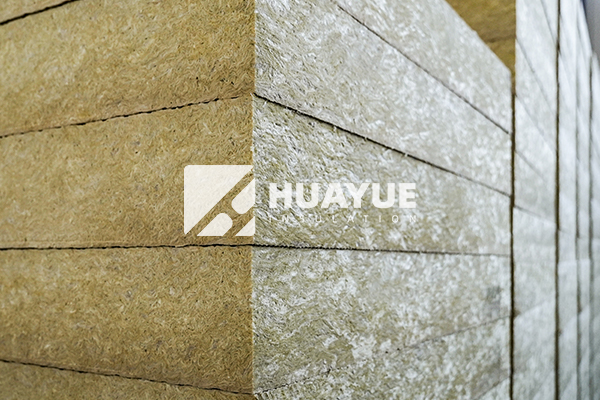
I think rock wool is a strong material for acoustic insulation because its open fiber structure helps absorb sound waves instead of simply reflecting them. I often explain that rock wool is not only a thermal insulation product. I also see it used in many assemblies where sound absorption is an important target, such as drywall partitions, suspended ceilings, equipment rooms, facade systems, and floor structures.
I believe rock wool performs especially well when buyers want to reduce airborne noise inside a system. I usually tell project buyers that the material itself is only one part of the result. The full system matters more. A well-designed wall or ceiling with the right thickness, density, framing, and installation quality will usually perform much better than a poor system that only adds insulation without proper detailing. I also think rock wool is attractive for B2B buyers because it can offer a balance between acoustic performance, fire safety, and thermal insulation in one product family. That matters when a contractor or distributor wants a practical and scalable solution for commercial supply.
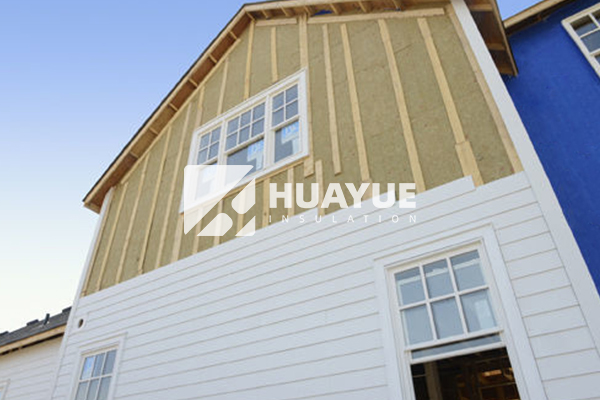
I also think it is important to manage expectations. Rock wool can help absorb and reduce sound transfer, but it does not magically make a room fully soundproof on its own. I often see confusion between sound absorption and sound blocking. Rock wool mainly helps absorb sound energy within a system. If a buyer wants high sound insulation between rooms, the wall structure, board layers, seals, gaps, and framing details still play a major role. In my view, the best way to present rock wool to professional buyers is to describe it as a reliable acoustic component in a complete assembly, not as a standalone miracle answer.
What is the downside of ROCK WOOL?
I think one downside of rock wool is that it can irritate skin during handling and installation if workers do not use proper protection. I also know that some installers do not like working with fibrous materials when jobsite conditions are rough or when cutting speed matters a lot. This is not unusual, but it is something buyers should understand before selecting the material for large projects.
Another downside is that rock wool is not always the lowest-cost choice in every market. I often tell distributors and contractors that price comparisons should not stop at material cost per square meter. Rock wool may offer better fire performance and useful acoustic absorption, but if a buyer is only comparing the cheapest upfront option, they may think other materials look more attractive. I believe this is where project specification becomes important. If fire safety, sound control, and long-term system value matter, rock wool often remains a very competitive choice. If the project only chases the lowest purchase price, some buyers may move to other options.
I also think handling and system fit should be considered. Rock wool needs proper cutting, correct placement, and correct thickness selection. If the product is compressed too much, left with gaps, or installed in the wrong assembly, performance can drop. From my point of view, this is not a weakness of rock wool alone. It is a reminder that insulation should be selected and installed as part of a system. For B2B wholesale and OEM export business, I think this also means suppliers should support buyers with clear density ranges, thickness options, product data, and application guidance instead of only selling by low price.
Do mice nest in ROCK WOOL?
I often hear this question from buyers who work on building envelopes, partition systems, and roof or wall applications. My view is that rock wool is generally less attractive to mice than soft organic nesting materials, because it is mineral-based and does not provide food. However, I do not think any insulation product should be marketed as a complete rodent-proof answer by itself.
If mice already have access to a building cavity, they may still pass through or nest in spaces around building materials if the surrounding conditions allow it. I think this is the key point many buyers miss. The real issue is not only the insulation itself. The real issue is whether the building has unsealed openings, weak detailing, service penetrations, damaged edges, or poorly protected voids. In those cases, rodents may still enter the system. So when project buyers ask me whether mice will nest in rock wool, I usually answer this way: rock wool is not a food source, and it is not the first nesting material rodents prefer, but the full building design and sealing work still matter a lot.
For contractors and builders, I think the practical lesson is clear. If rodent resistance is a project concern, they should look at edge sealing, cavity closure, penetrations, cladding details, and maintenance access, not just insulation choice. For distributors and OEM supply partners, I think it is better to present this honestly. Rock wool can be part of a durable and well-protected system, but it should not be oversold as a complete pest-control solution. That kind of honest positioning usually builds more trust with professional buyers.
Do you need an air gap with ROCK WOOL?
I think the answer depends on the system design and the performance goal. I do not believe there is one universal rule that says rock wool always needs an air gap or never needs one. In acoustic applications, an air gap can improve performance in some assemblies because it changes how sound energy moves through the system. In wall and ceiling systems, the combination of insulation, cavity depth, board layers, and framing design often determines the real result.
When I look at acoustic partition systems, I usually see that the cavity itself is already part of the assembly. In those cases, rock wool is installed inside the stud space, and the remaining system depth works together with the insulation. In some acoustic ceiling or panel designs, an intentional air space can also help improve absorption, especially at certain frequencies. But I do not think buyers should simplify this into a single yes-or-no rule. What matters is the tested or intended system.
For project buyers and acoustic insulation buyers, I think the safest way to evaluate this question is to ask what the target is. Is the goal to reduce echo inside a space? Is the goal to improve room-to-room sound insulation? Is the goal to improve a specific tested assembly? Once that is clear, the role of the air gap becomes easier to judge. I would not recommend treating the air gap as a random extra. I would treat it as a design parameter. In B2B supply and OEM export, this is also where technical communication matters. A supplier should help buyers match product thickness and density to the intended wall, ceiling, duct, or panel system instead of giving a one-line universal answer.
Can you touch Rock wool with bare hands?
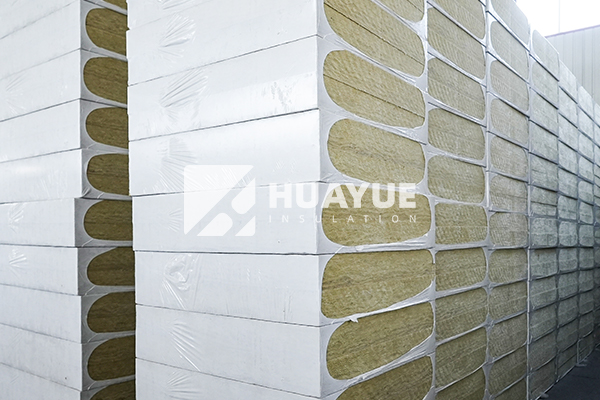
I think it is technically possible to touch rock wool with bare hands for a short moment, but I would not recommend it during normal work. I usually advise installers and site teams to use gloves, long sleeves, eye protection, and appropriate dust protection when handling and cutting mineral wool products. This is a practical safety habit, and it helps avoid skin irritation and discomfort.
In my experience, the concern here is not that normal contact automatically causes serious harm. The real issue is that fibers and dust can irritate skin, eyes, and the respiratory system, especially during cutting, fitting, and cleanup. I think professional buyers should treat this the same way they treat many other construction materials. Safe handling matters. Clean installation conditions matter. Good packaging, clear product instructions, and worker protection matter. This is especially important in large B2B supply projects where multiple workers may be handling products every day.
I also think this question matters commercially, because handling experience affects buyer preference. If a distributor, contractor, or project manager feels a product creates avoidable installation complaints, that can affect repeat business. So I believe manufacturers and suppliers should not avoid this topic. It is better to provide honest handling guidance and practical installation recommendations. In my view, that creates more credibility than pretending the material has no handling limits at all.
Conclusion
I believe rock wool is a strong acoustic insulation choice for many B2B projects when buyers evaluate it as part of a complete system and match it to real performance, installation, and project requirements.
You may also be interested in:

Ready to Get Started?
Get in touch with our experts for personalized solutions tailored to your needs.
Get Free QuoteLatest Articles

Should B2B Buyers Choose Mineral Wool Insulation?
Mar 31, 2026
Rockwool Insulation for Roof: Best Practices (2026)
Mar 27, 2026
Stone Wool Sound Insulation?
Mar 23, 2026
Let's Work Together
Ready to take your business to the next level? Get in touch with our team of experts and let's discuss how we can help you achieve your goals.
Get Free Solutions