








Is R30 Fiberglass Insulation the Best Solution for Your Project?
Homeowners and facility managers face energy loss and high bills. R30 fiberglass insulation might be the answer you need. Let’s break down what sets it apart.
R30 fiberglass insulation has a thermal resistance rating of R-30, which means it significantly slows heat transfer. This helps maintain indoor comfort and reduces energy costs, making it an effective choice for many residential and industrial applications.
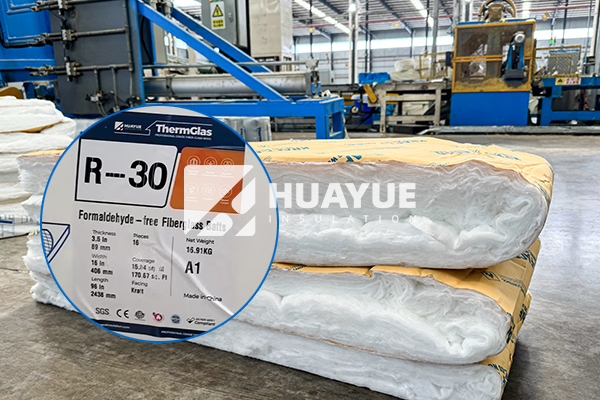
Choosing insulation can feel complicated. Each option claims better performance, and new building codes raise expectations. If you want real results—lower heating bills, more consistent temperatures, and safety—R30 might fit your needs. I’ve helped builders, homeowners, and facilities upgrade their insulation. In my experience, success starts with understanding the right rating for the job. Let’s explore what R30 fiberglass insulation can do.
Is R30 Fiberglass Insulation Good?
High energy bills and uncomfortable drafts are common. R30 fiberglass insulation could be the solution if installed correctly in the right location.
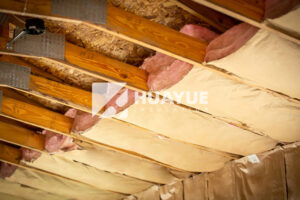
R30 fiberglass insulation provides a robust barrier against heat loss, making it suitable for attics, ceilings, and floors in cooler climates. It is considered a good choice for keeping spaces warm and energy efficient, especially in residential and commercial buildings.
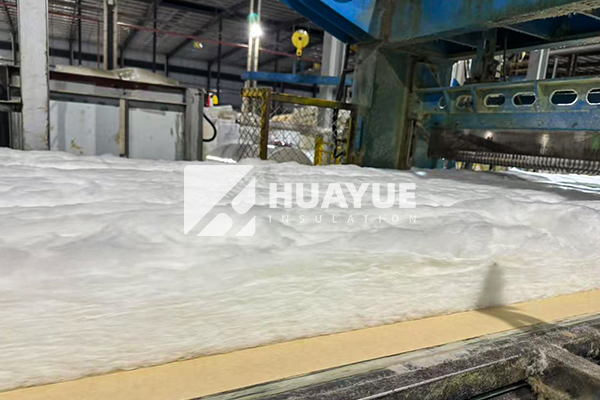
To judge if R30 fiberglass insulation is “good,” you need to match it to your local climate and building type. In my experience, R30 works best in attics and floors where local codes recommend a medium to high R-value. It contains glass fibers that trap air. This slows down heat flow. The result is lower utility bills and more comfort. Think of a residential attic versus a commercial tank. For attics in mild and cold climates, R30 hits a sweet spot between cost and performance. Here’s a breakdown:
| Application Area | Recommended R-Value | Does R30 Meet It? | Comments |
|---|---|---|---|
| Attics (Cooler Climates) | R30 – R49 | Yes/Partial | R30 is minimum, higher may be better. |
| Floors over unheated spaces | R25 – R30 | Yes | Works well for residential floors. |
| Walls | R13 – R21 | No | R30 is overkill; not cost-effective. |
| Commercial Tanks | R30+ | Yes | Meets insulation needs for tanks. |
Some insulation materials, including R30 fiberglass, can sag or lose effectiveness if improperly installed. In my work, I always recommend careful installation. The best use of R30 is where you need a solid barrier but not the very highest R-value. That keeps costs in line and performance strong.
How Thick Is R30 Fiberglass Insulation?
You want enough insulation, but not too much. How do you know R30 fiberglass insulation is thick enough for your job?
R30 fiberglass insulation is typically 9.5 to 12 inches thick, depending on the manufacturer and whether it’s faced or unfaced. This thickness is needed to deliver its R-30 resistance to heat flow and is suitable for attic spaces and floors.
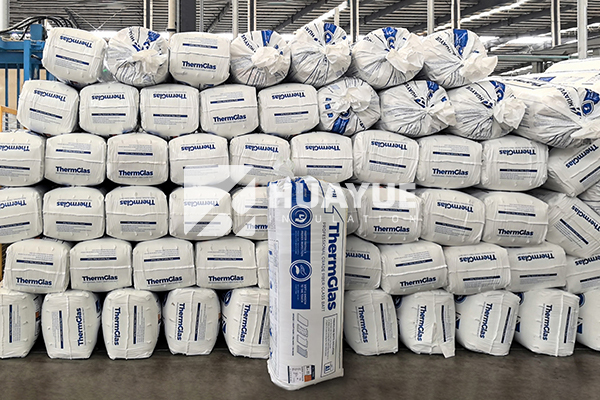
The thickness of insulation directly affects its performance. Some builders ask me if they can squeeze R30 into thinner spaces, but that’s not recommended. Compressing insulation lowers its effectiveness. Here’s my table for quick reference:
| R-Value | Typical Thickness (inches) | Installation Area |
|---|---|---|
| R13 | 3.5 | Walls |
| R19 | 6.25 | Walls, Floors |
| R30 | 9.5 – 12 | Attics, Floors |
| R38 | 12 – 14 | Attics |
Always check the product label and local codes. Faced batts (with a vapor barrier) and unfaced batts differ a bit in thickness but not by much. In my experience, most attic upgrades require insulation that covers joists and fills corners for the best results. If you cut corners, you lose payback in energy savings and comfort.
What’s Better, R30 or R38?
Choosing between R30 and R38 insulation? It’s not just about numbers—think about climate, cost, and code requirements.
R38 insulation offers higher thermal resistance than R30, making it the better choice for colder climates and areas with stricter building codes. However, R30 may be more cost-effective for mild climates where extreme insulation isn’t required.
| R-Value | Thickness (inches) | Best Use Areas | Relative Cost | Energy Savings Potential |
|---|---|---|---|---|
| R30 | 9.5 – 12 | Attics, Floors (mild/cool) | Lower | Good |
| R38 | 12 – 14 | Attics (cold climates) | Higher | Best |
When I advise clients in northern areas, I often suggest R38 in attics and ceilings, especially for new construction where budget allows. For southern regions, R30 offers sufficient protection at a lower cost. Always balance initial cost, expected savings, and climate zone. Some local building codes specify R-values for attics and floors—always check before buying. In tanks and industrial uses, going higher might mean extra peace of mind and efficiency, but make sure every dollar counts for your project goals.
What Is R30 Insulation? Everything You Need To Know
Confusion over terms? Let’s clear up what R30 really means.
R30 insulation refers to a material—often fiberglass—designed to offer an R-value of 30. This rating measures its ability to slow heat flow, helping you maintain indoor temperature and save on energy costs.
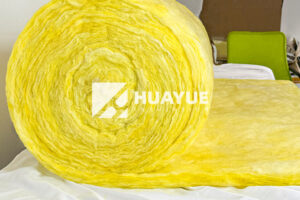
R-value stands for resistance to heat flow. The higher the number, the better the insulation. R30 fiberglass insulation contains fine glass fibers designed to trap air and shield against temperature changes. You’ll find it in rolls or batts, faced or unfaced. The use area varies: residential attics, flooring over crawlspaces, and even industrial storage tanks need it. I’ve used R30 to upgrade old homes and industrial tanks. Here’s a structured overview of what you need to know:
- Type: Fiberglass, commonly available in rolls and batts
- Performance: Strong balance between cost and insulation effectiveness
- Best Use: Attics, floors, tanks in moderate to cold climates
- Pros: Affordable, easy to install, fire resistant
- Cons: Can irritate skin, must not be compressed, not for very tight spaces
| Feature | Description |
|---|---|
| R-Value | 30 |
| Thickness | 9.5 to 12 inches |
| Made of | Fine glass fibers |
| Format | Batts, rolls; faced or unfaced |
| Application | Attics, floors, commercial tanks |
| Main Benefits | Lower energy bills, comfort, fire resistance |
| Challenges | Proper installation, skin irritation risk |
Always match R-value to climate and application area. In my work, I see better results when people follow code and use the right thickness and installation method.
Conclusion
R30 fiberglass insulation works well for attics, floors, and tanks, balancing cost and performance for moderate to cold climates.
You may also be interested in:
Ready to Get Started?
Get in touch with our experts for personalized solutions tailored to your needs.
Get Free QuoteLatest Articles




Let's Work Together
Ready to take your business to the next level? Get in touch with our team of experts and let's discuss how we can help you achieve your goals.
Get Free Solutions