




Is Mineral Wool Insulation for Sale a Good B2B Option?
I often see distributors, contractors, and project buyers search for mineral wool insulation for sale when they need a product that can support thermal insulation, sound absorption, and fire safety in the same supply category. I also notice that many buyers use mineral wool and rock wool as interchangeable terms, even though they often want clearer guidance on product differences, performance limits, and project fit.
I believe mineral wool insulation for sale is a strong B2B option when buyers compare value through performance, specification fit, and long-term use instead of looking at low price alone. I also think buyers should understand the practical negatives, the expected R-value range, and the difference between naming conventions before they commit to supply.
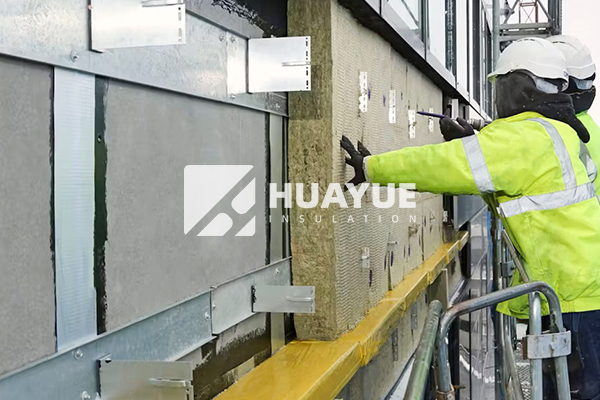
When I speak with wholesale and project buyers, I notice that they usually ask the same practical questions. They want to know the negatives of mineral wool, the R-value of a 1-inch product, whether rodents are a concern, and whether rock wool and mineral wool are actually different. I think these are useful questions because they help buyers move from broad product interest to better decision-making.
What are the negatives of mineral wool?
I think the main negative many buyers notice first is price. Mineral wool is often more expensive than entry-level alternatives, so buyers focused only on initial cost may consider cheaper products first. I usually explain that this comparison should include fire resistance, sound performance, dimensional stability, and project specification requirements, not just price per piece.
I also think handling can be a practical downside. Mineral wool can irritate skin and create dust during cutting and fitting, so proper protective equipment matters. In large-volume supply, this affects installer experience and project feedback. If a supplier does not explain handling clearly, buyers may think the product is worse than it really is.
Another negative is that buyers sometimes choose mineral wool too broadly without matching product density and thickness to the application. That can lead to poor expectations. In my view, the bigger risk is not the material itself, but vague selection in the wrong system.
What is the R-value of 1 inch mineral wool insulation?
I think buyers should treat 1-inch mineral wool as a useful reference point, but not a full system answer. In many cases, 1 inch of mineral wool insulation is roughly in the range of R-4 to R-4.3, depending on the specific product and density. I usually recommend checking the actual technical data sheet instead of relying on a generic market number.
For B2B buyers, I think the more important point is how that 1-inch value scales inside the real assembly. A product may look reasonable at 1 inch, but the project may require more thickness to meet code, target sound control, or thermal expectations. That is why I usually suggest buyers compare product thickness, cavity depth, and final assembly target together.
Do mice nest in rock wool?
I usually explain that rock wool is less attractive to mice than softer, nest-friendly materials because it is mineral-based and does not provide food. I also think the fiber structure is less comfortable for nesting than low-density alternatives. That said, I would not present rock wool as a complete rodent-proof solution.
If a building has access points, penetrations, or weak closures, rodents may still enter the assembly area. I think the practical takeaway is that rock wool helps reduce nesting attractiveness, but proper sealing and building maintenance still matter. For B2B buyers, that is the honest and useful position.
What is the difference between Rock wool and mineral wool?
I think this is one of the most misunderstood points in the market. In many cases, rock wool is a type of mineral wool, and buyers use the two names interchangeably. Mineral wool is the broader category, while rock wool usually refers to products made mainly from stone-based raw materials.
For practical B2B use, I usually tell buyers not to get stuck on the naming first. I think they should focus on product form, density, thickness, fire performance, sound absorption, and target application. The right commercial decision usually comes from the data sheet and end-use logic, not only from the label.
Conclusion
I believe mineral wool insulation for sale is a strong option for B2B buyers when product selection is based on real project needs, correct technical data, and honest performance expectations.
You may also be interested in:

Ready to Get Started?
Get in touch with our experts for personalized solutions tailored to your needs.
Get Free QuoteLatest Articles

Should B2B Buyers Choose Mineral Wool Insulation?
Mar 31, 2026
Is Rock Wool a Good Choice for Acoustic Insulation?
Mar 30, 2026
Rockwool Insulation for Roof: Best Practices (2026)
Mar 27, 2026
Let's Work Together
Ready to take your business to the next level? Get in touch with our team of experts and let's discuss how we can help you achieve your goals.
Get Free Solutions